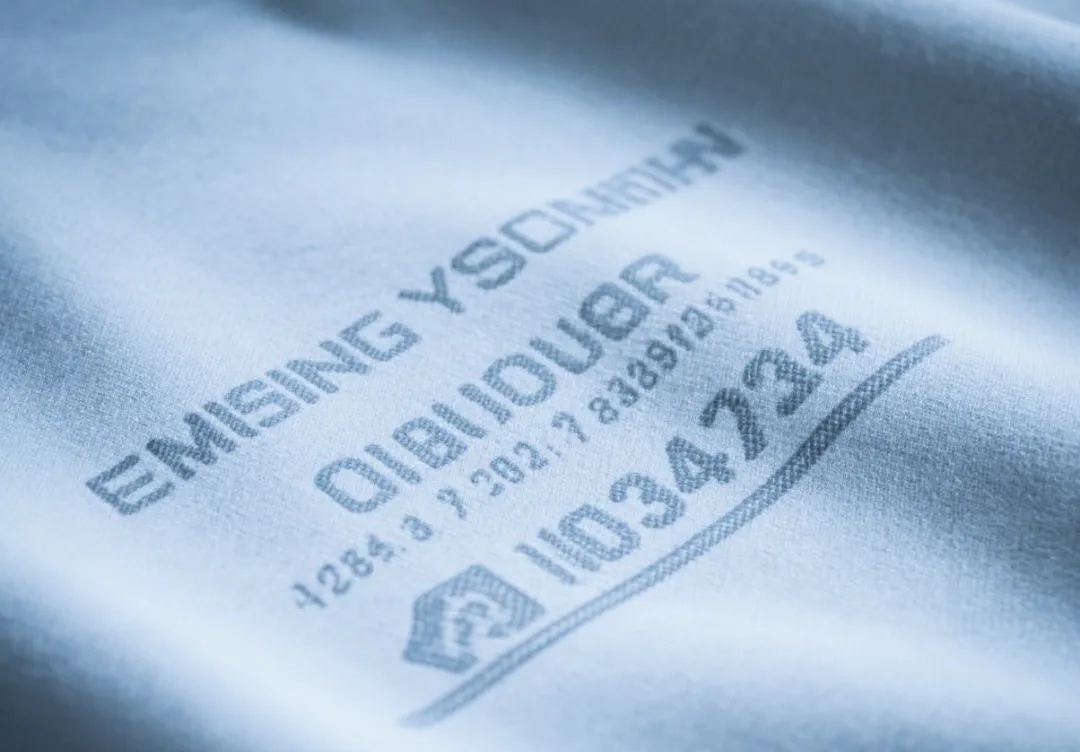
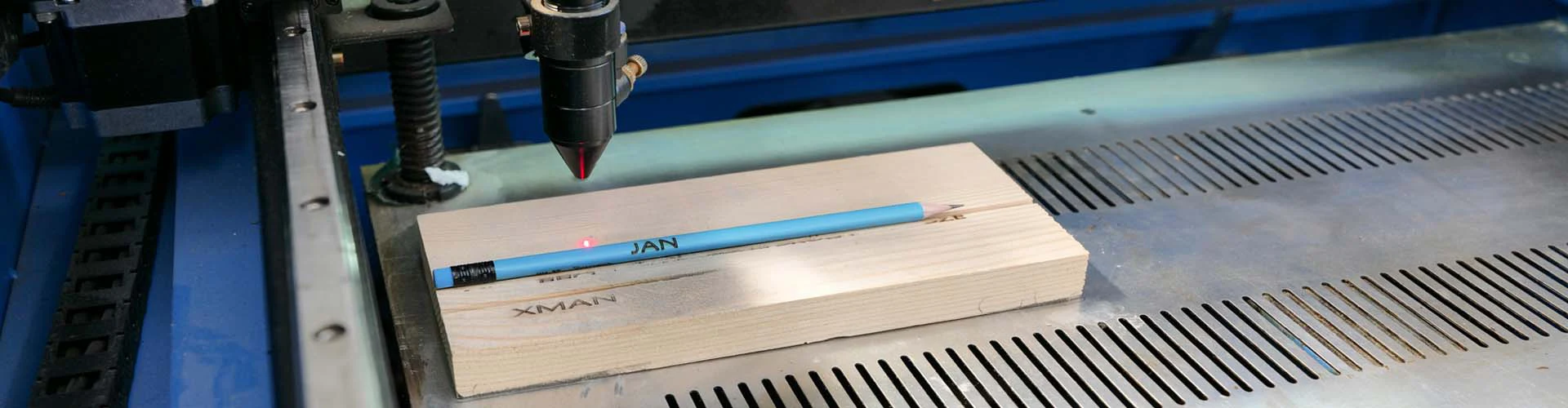
Laser marking is a processing technology that uses high energy density laser radiation to cause physical or chemical changes on the surface of a material, thereby forming marks on the material surface. When the laser is focused on the material surface, the surface undergoes changes such as oxidation, carbonization, or the removal of an extremely thin surface layer. Through these changes, the material surface can form marks that are not easy to separate or peel off and that are extremely precise and clear.
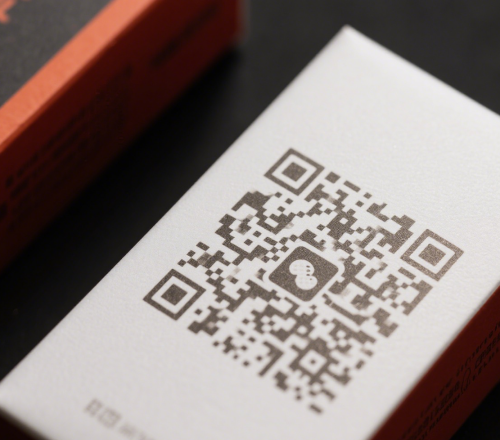
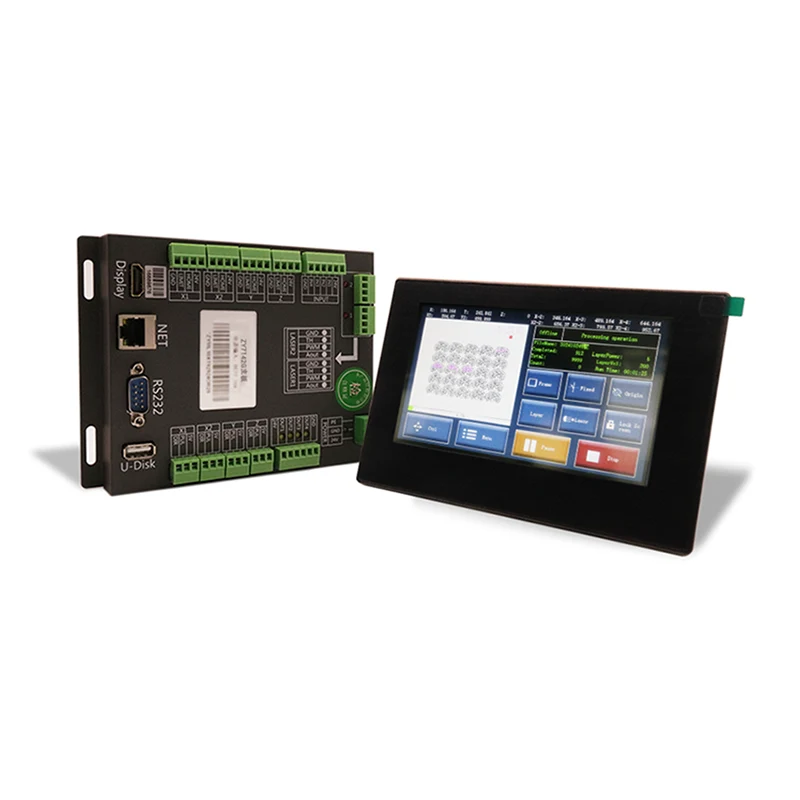
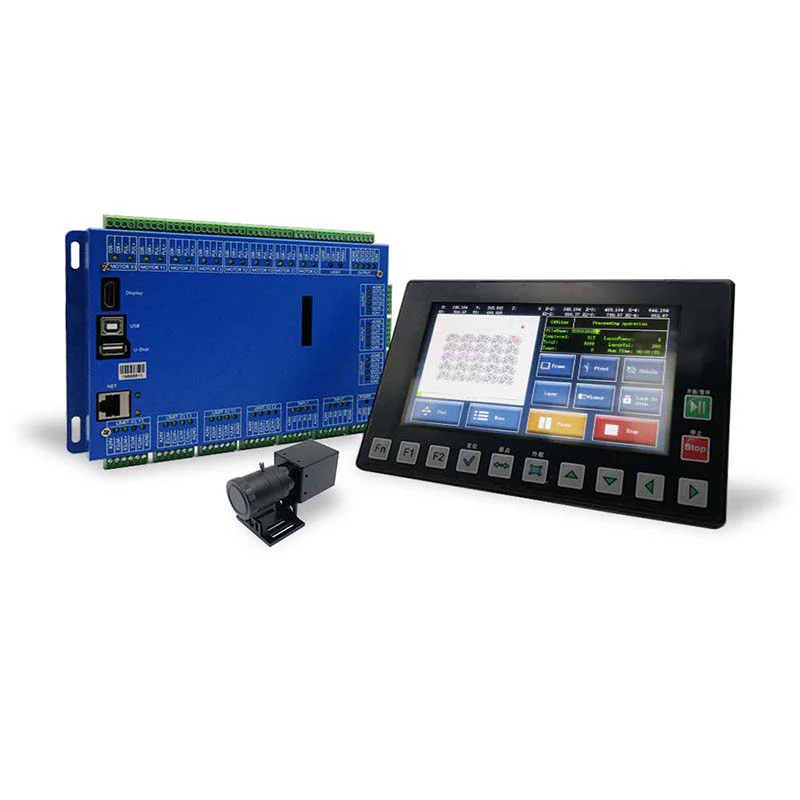
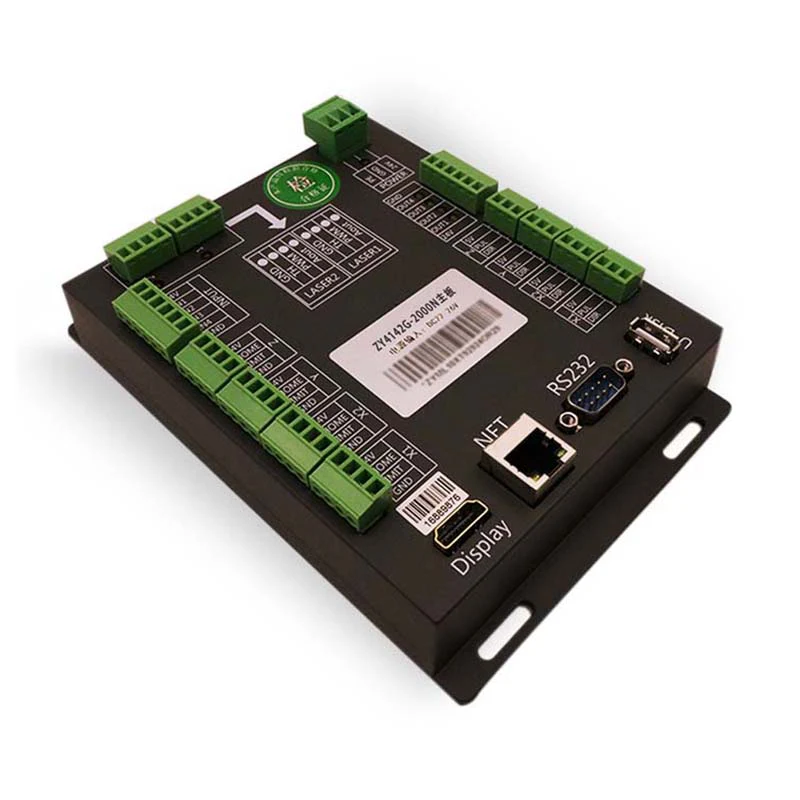
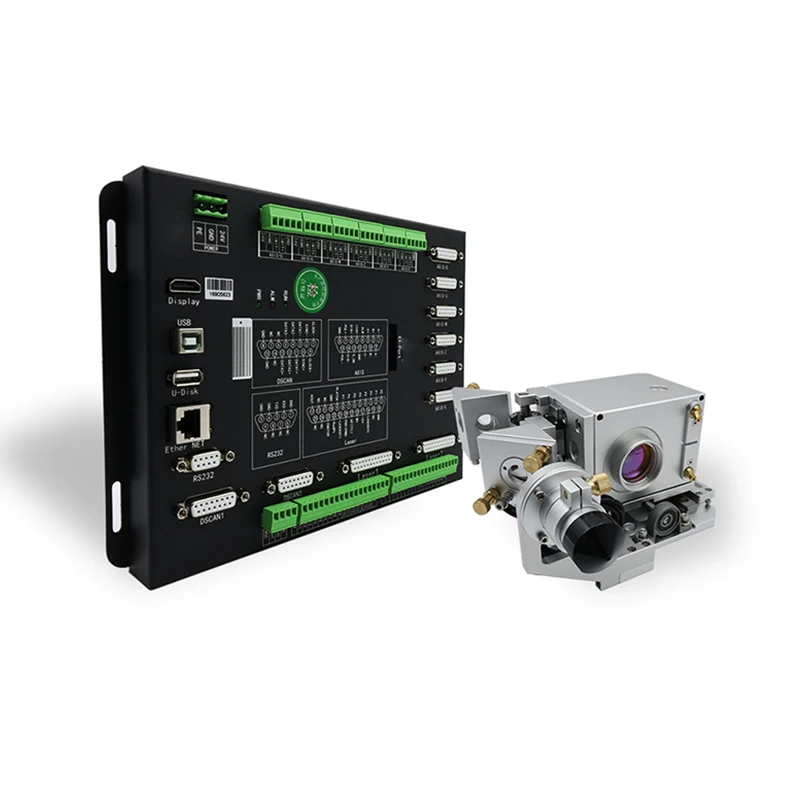
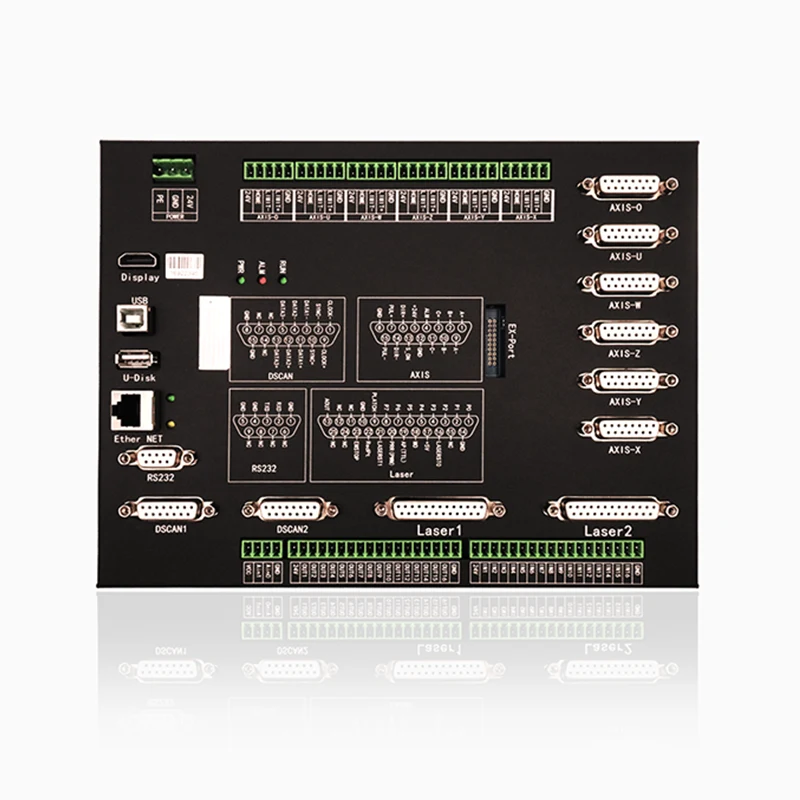
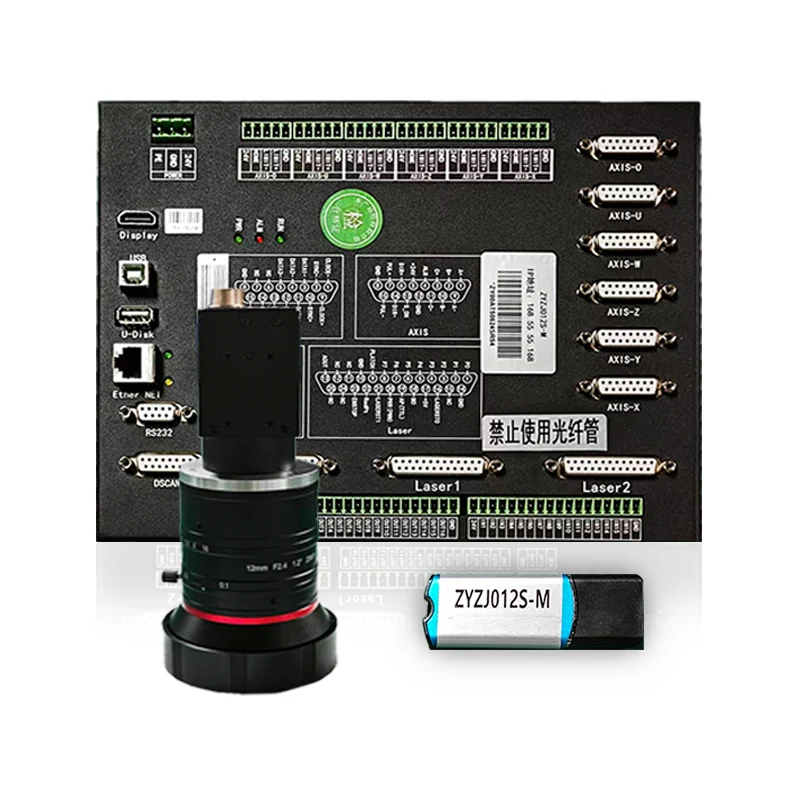
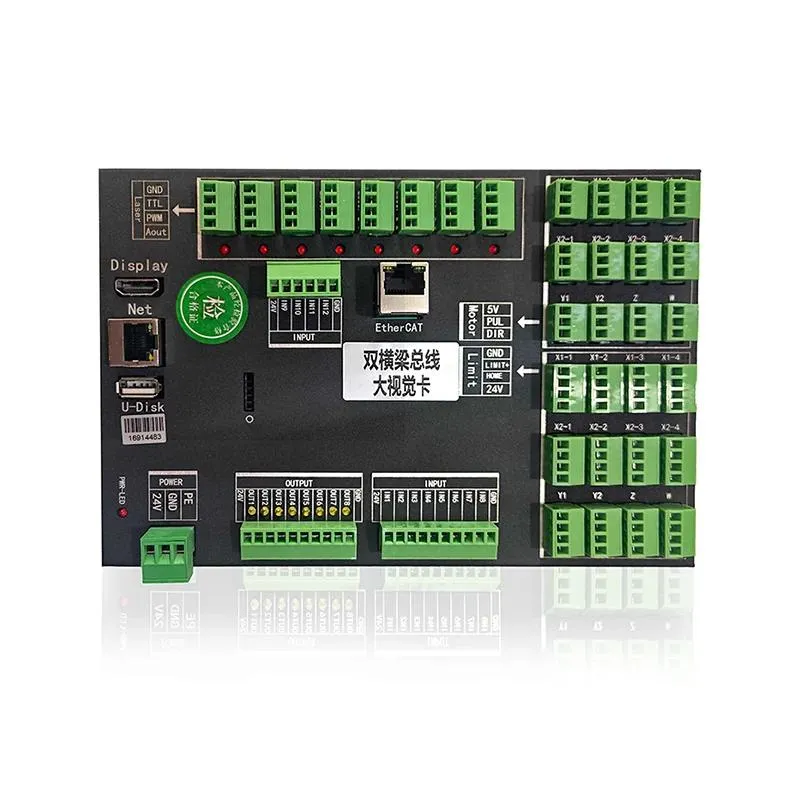
Based on the characteristics that laser marking is not easy to fall off and has good clarity, this processing technology is usually used to process product serial numbers, anti-counterfeiting marks, QR codes, and brand marks. It has become an important means for brand protection, product traceability, enhancement of product added value, and product anti-counterfeiting in modern manufacturing. The laser controller is the core of laser marking. The laser control system determines the speed, efficiency, precision, and material scrap rate of laser marking.
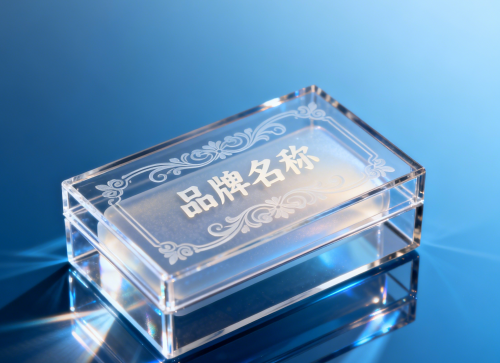
Laser marking generally has high requirements for marking clarity and consistency. High-performance laser controller can provide stable and precise output, avoiding problems such as disconnected markings or uneven depth. Excellent laser controller also have powerful algorithms, which can not only avoid overheating at corners but also improve the processing accuracy of complex patterns. A good laser control system has very strong stability, low maintenance costs, and a low maintenance frequency, and can greatly improve production efficiency.
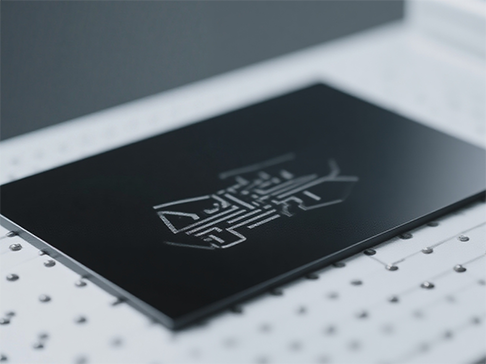
The processing performance of laser marking is closely related to the laser controller. Choosing a good laser control system can avoid many problems in the production process. In addition to considering the above factors, brand after-sales service is also an important factor. Good after-sales service can solve many troubles during the production process.