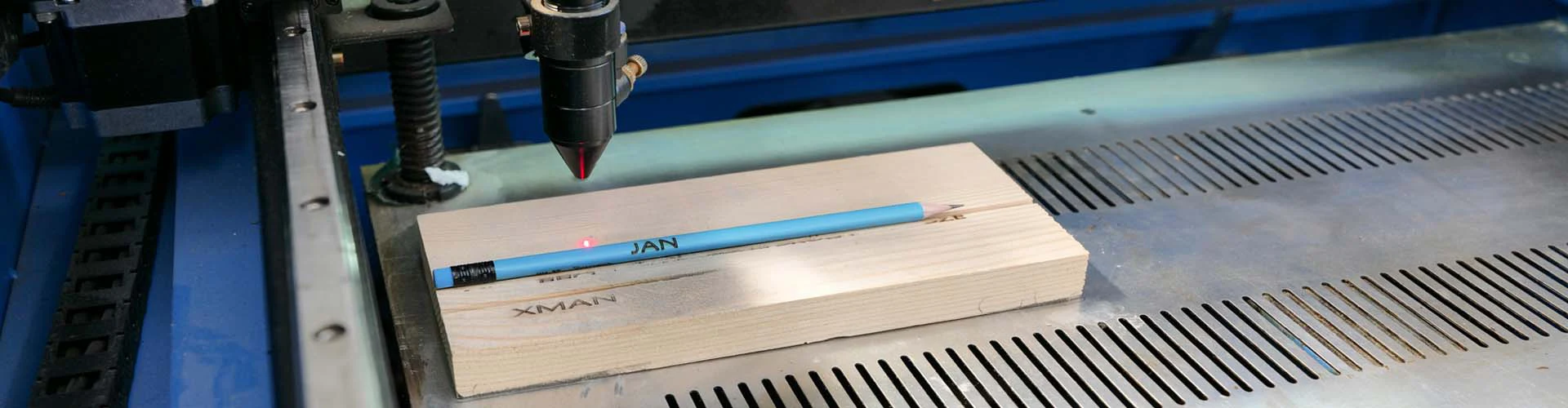
CO₂ laser cutting is a thermal processing technology that uses a high-energy laser beam to cut materials. It is widely used for non-metal materials and involves laser generation, beam delivery, focusing, and thermal interaction with the material. Combined with a laser control card and motion control system, the machine can follow digital graphics for automated cutting.
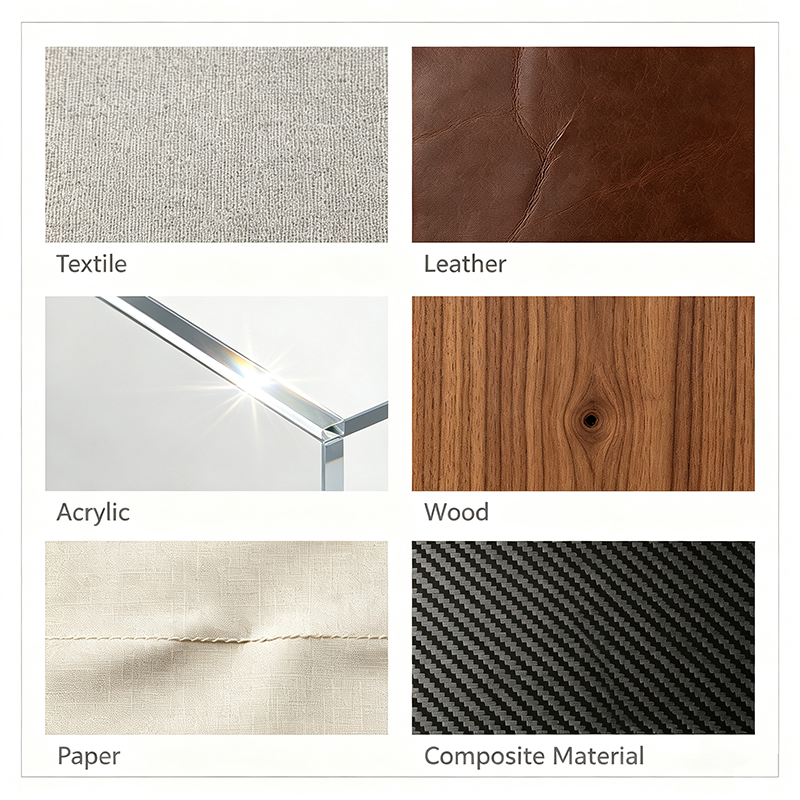
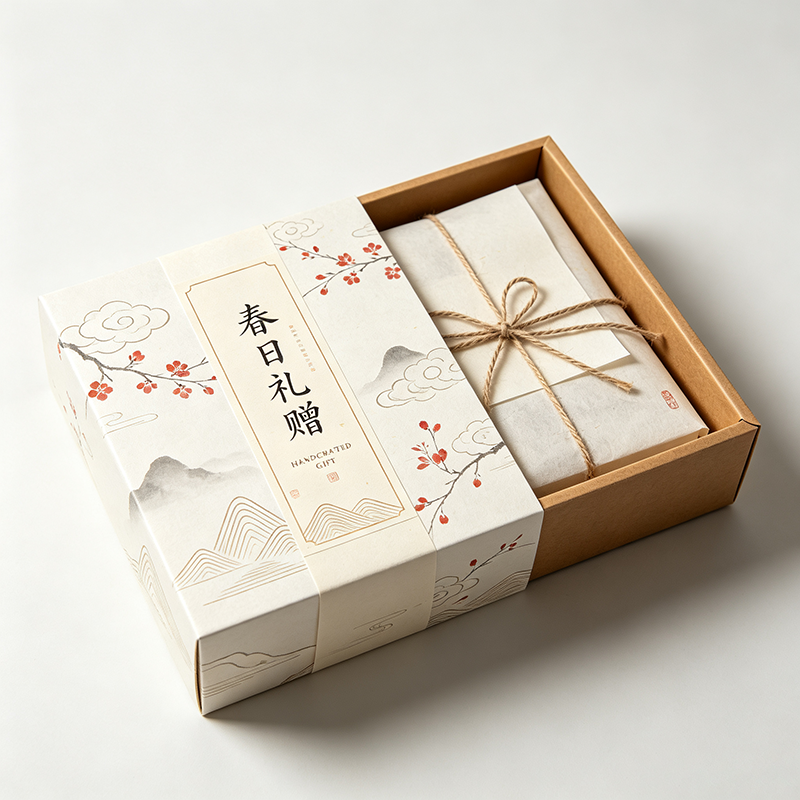
Laser cutting is no longer limited to industrial production lines. With advances in laser technology, motion control, and automation, it is now used in apparel, home décor, advertising, packaging, and personalized products. Its non-contact process, design flexibility, and automation potential are changing how many everyday products are made.
As garment accessories move toward customization, small-batch production, and higher precision, traditional die cutting is becoming less flexible. Vision positioning laser cutting combines camera recognition with motion control to identify patterns, contours, or registration features and generate accurate cutting paths. This creates a more automated and adaptable solution for lace and digitally printed accessories.
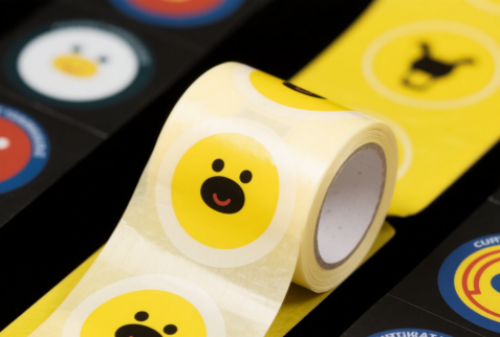
Self-adhesive materials have become important auxiliary materials in the fields of packaging, logistics, electronic components, daily chemical products, medical supplies, and intelligent manufacturing due to their convenient adhesion, flexible applications, and wide range of applicable scenarios. From simple information identification to high-end labels with complex patterns, fine structures, and special functions, self-adhesive products are developing toward greater personalization, refinement, and higher quality.
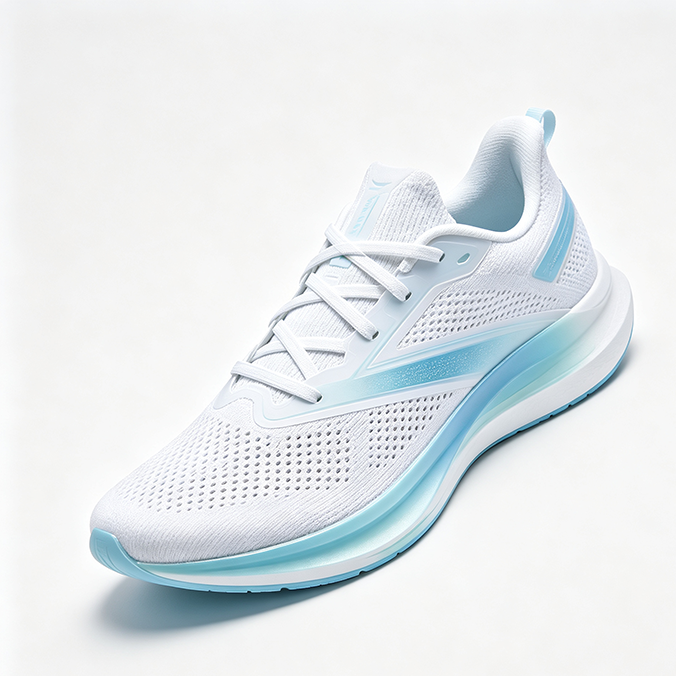
In the footwear manufacturing process, shoe upper processing has always been an important part that affects product quality, design performance, and production efficiency. With consumers’ increasing demands for footwear appearance, personalization, and quality, traditional processing methods are gradually facing more challenges. How to achieve more refined texture processing, richer design expression, and more stable production results has become a direction continuously explored by footwear companies.
We use cookies to offer you a better browsing experience, analyze site traffic and personalize content. By using this site, you agree to our use of cookies. Privacy Policy

 25 2026-08
  25 2026-08
  25 2026-08
  31 2026-07
  28 2026-07