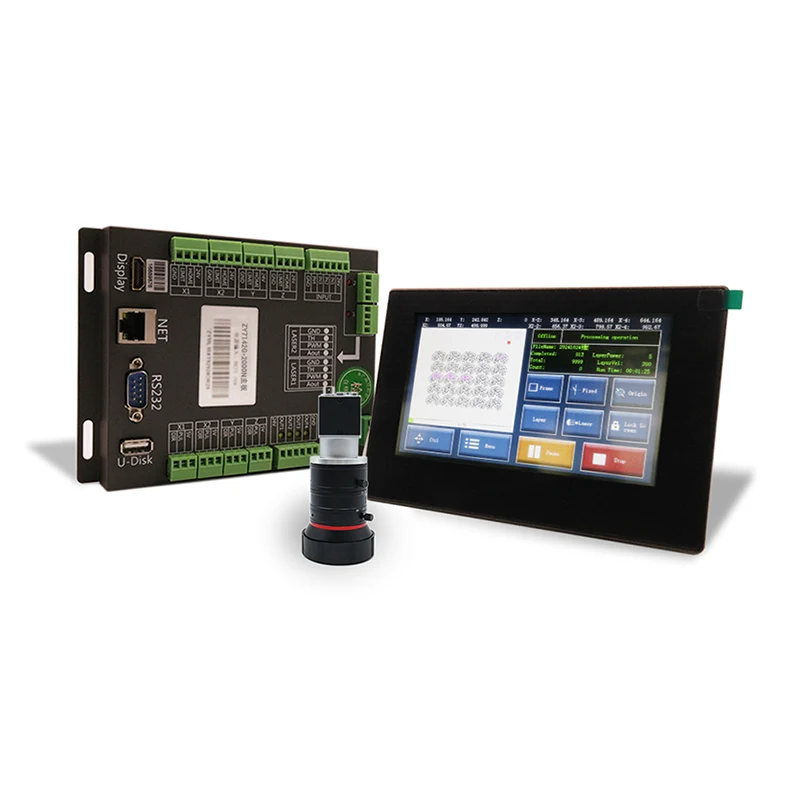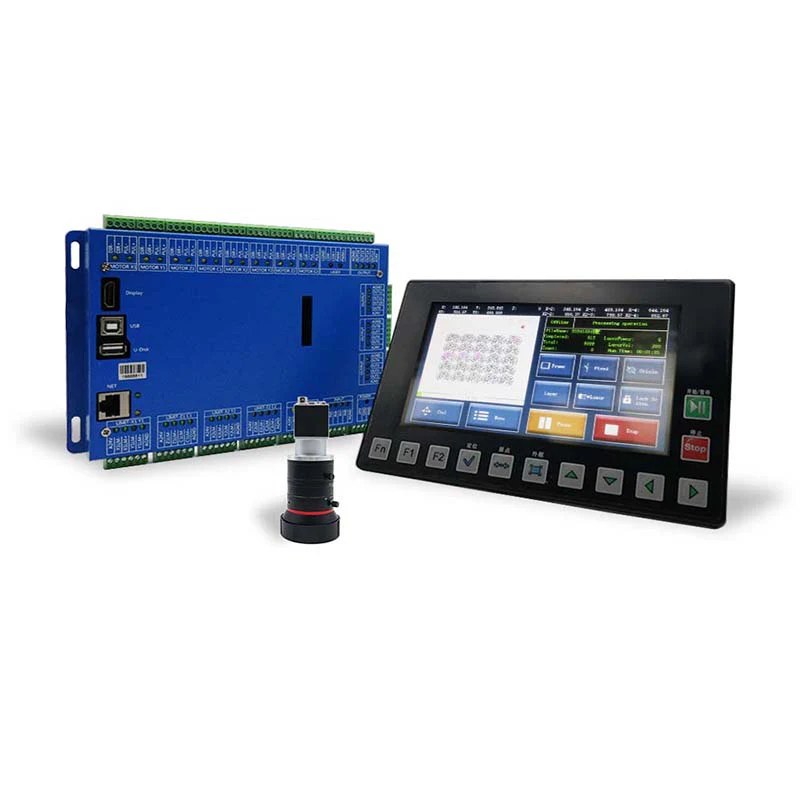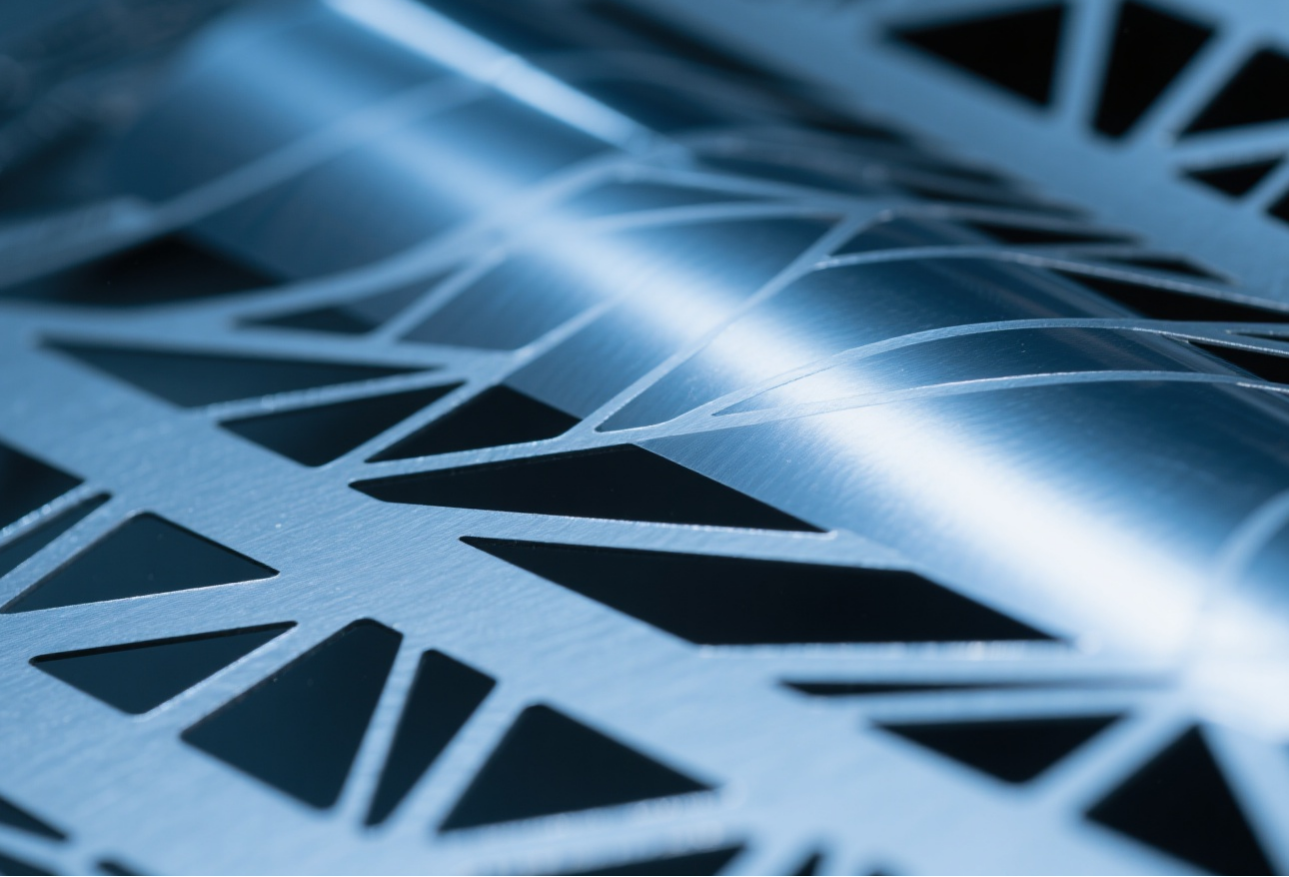
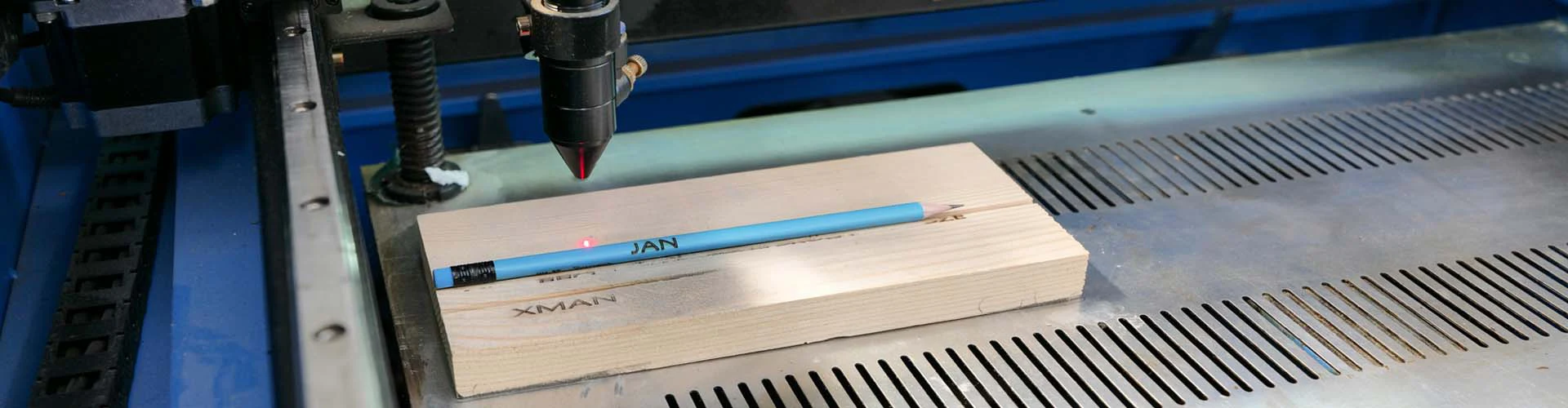
Laser cutting of fabric, due to its significant advantages in precision, efficiency, and consistency of processing quality, is used in many industries and is clearly superior to traditional die cutting or manual cutting. Traditional manual cutting relies excessively on craftsmen’s skills; manual cutting inevitably produces certain errors and makes it difficult to ensure the consistency of finished products. Die-cutting methods are prone to generating mechanical stress, causing stretching and deformation of materials, and once a die is manufactured and its pattern is formed, it is difficult to modify; even if modification is possible, it will result in higher costs. By contrast, laser cutting of fabric not only offers high efficiency and high precision, but also produces no mechanical stress. Digital design files can be modified at any time without generating additional costs, making it suitable for mass and customized production. Especially for fabrics with relatively high elasticity and softness, laser processing can achieve higher-quality processing of such materials than traditional die or mechanical processing.

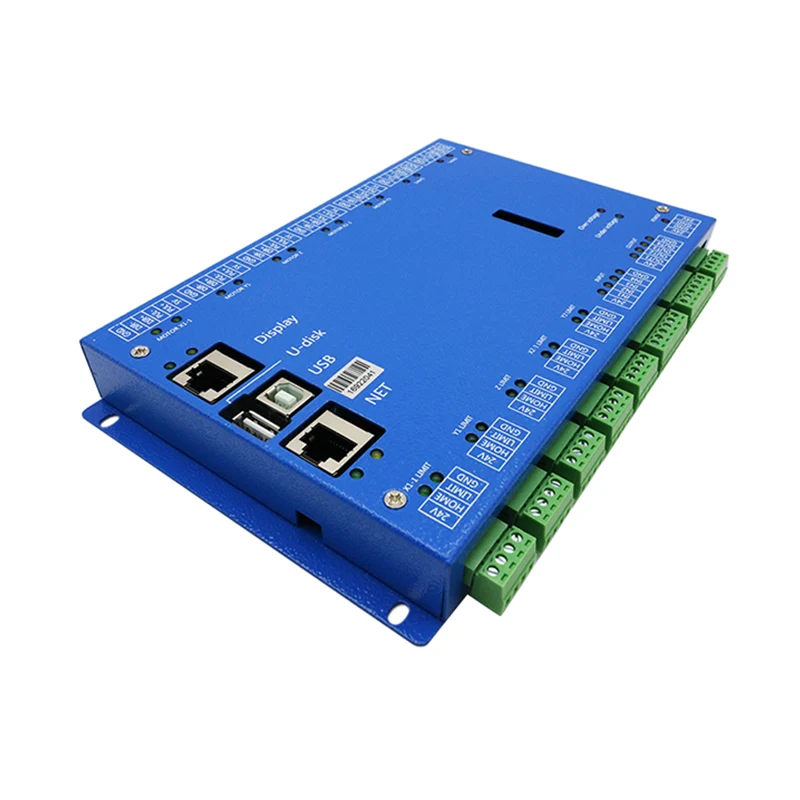
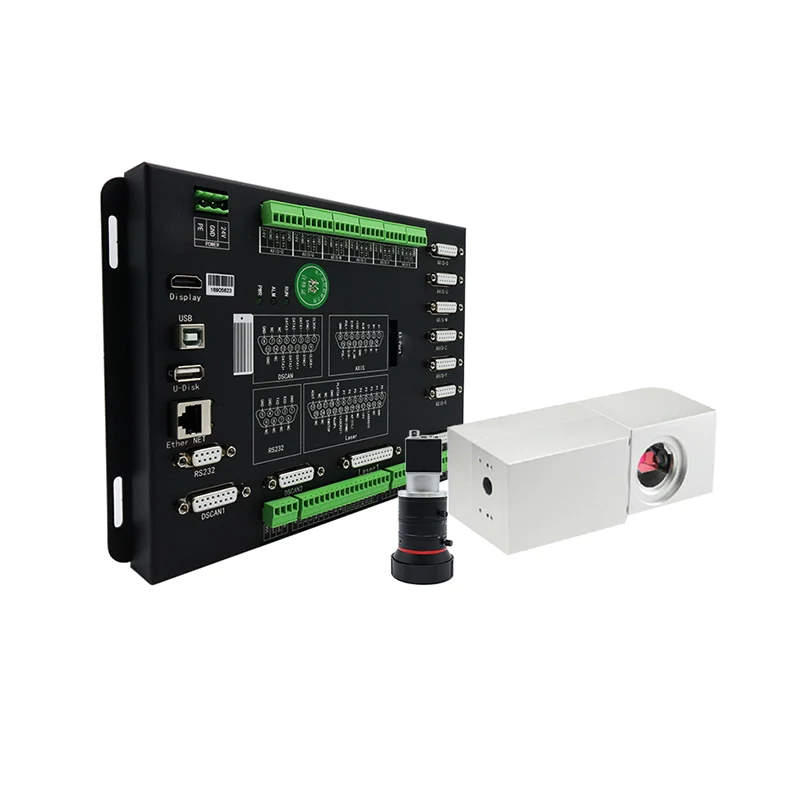
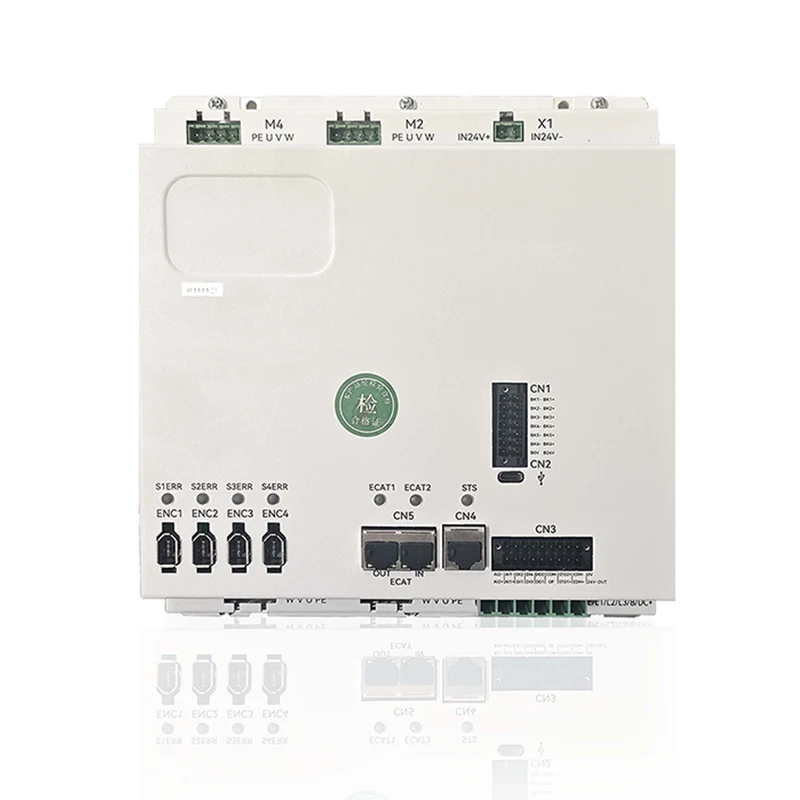
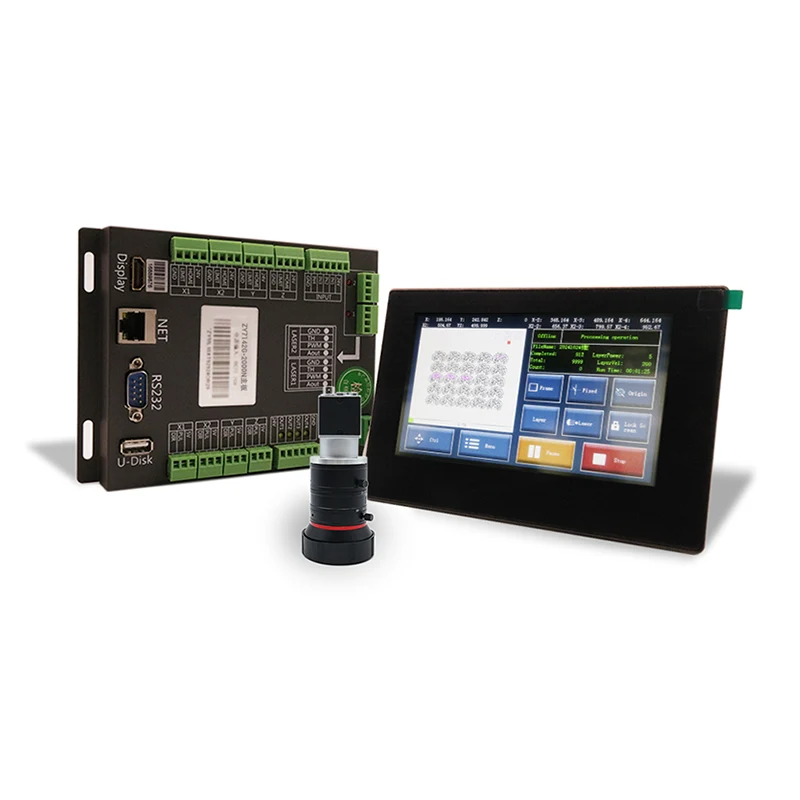
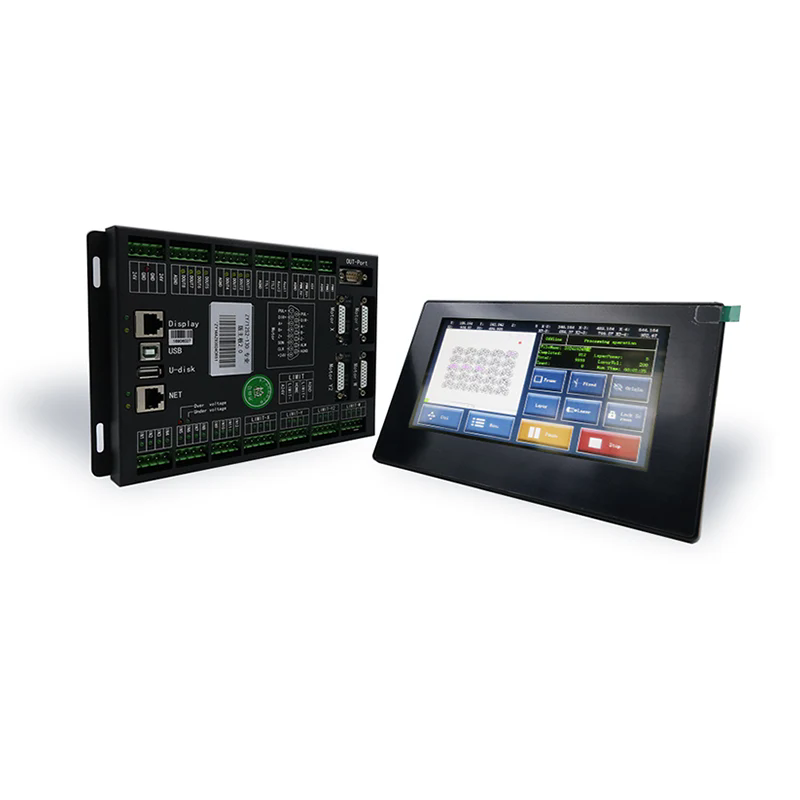
During laser cutting of fabric, the laser controller is one of the key factors in processing. The laser controller directly determines the cutting quality, consistency, and yield rate of fabric cutting. An advanced laser controller can precisely control power, ensuring that cutting is not incomplete due to insufficient power and that cutting edges are not burned due to excessive power. At the same time, an excellent laser controller can achieve good linkage between speed and power, avoiding overburning or incomplete cutting at corners or detailed areas. In addition to high precision and high stability, advanced laser controller also have additional expansion functions and intelligent features, which can effectively enhance the added value of production.

In laser fabric cutting production, choosing a suitable laser control system can undoubtedly save a great deal of trouble in the production process. If there are requirements for material expandability, when selecting a laser control system it is also necessary to consider the system’s compatibility with different processing materials. Choosing a laser control system that can adapt to a wider range of materials can reduce subsequent replacement costs and save production time.