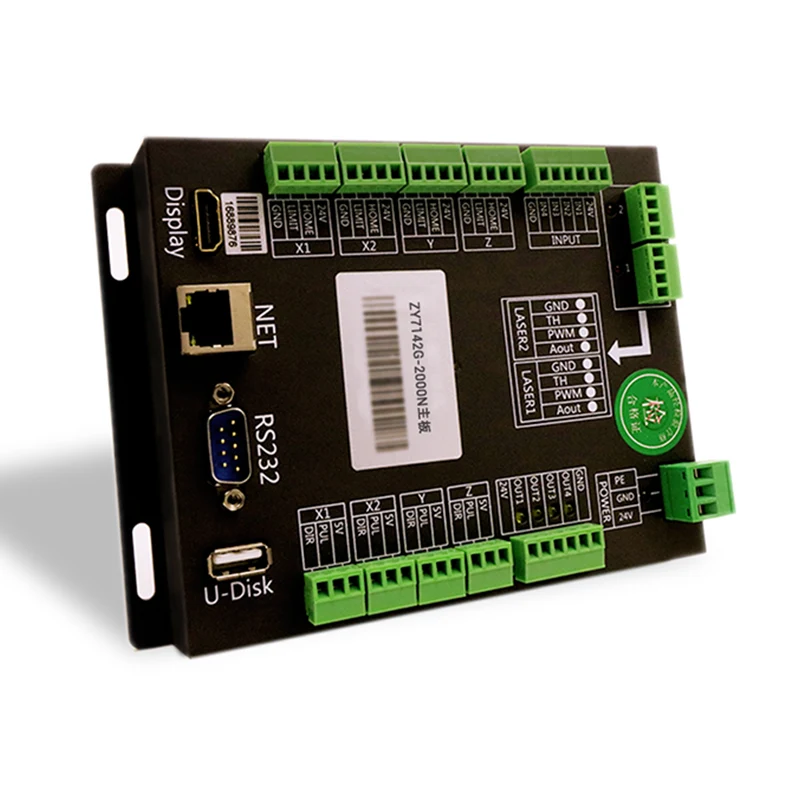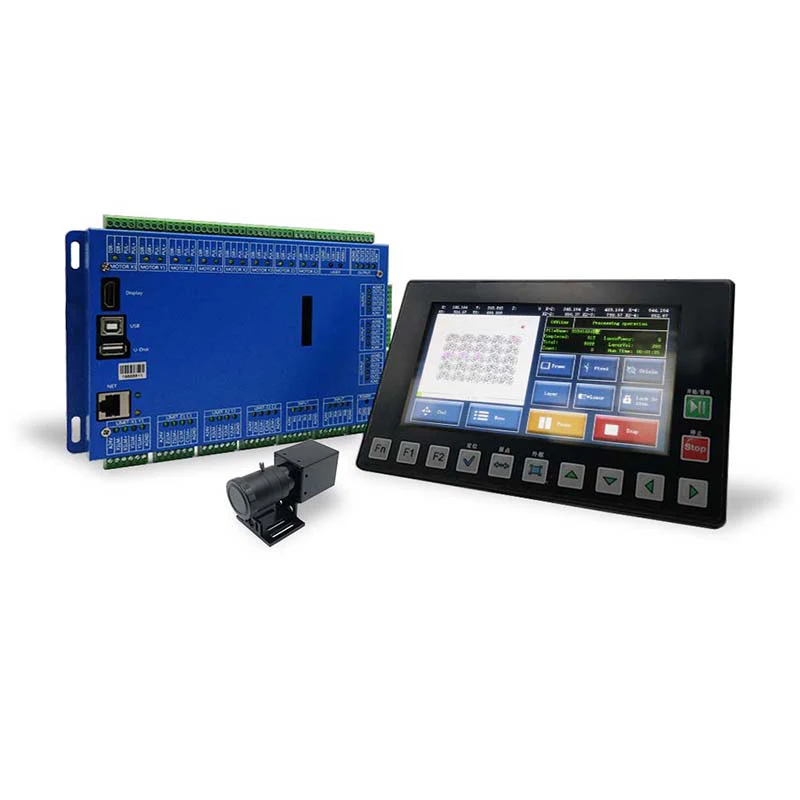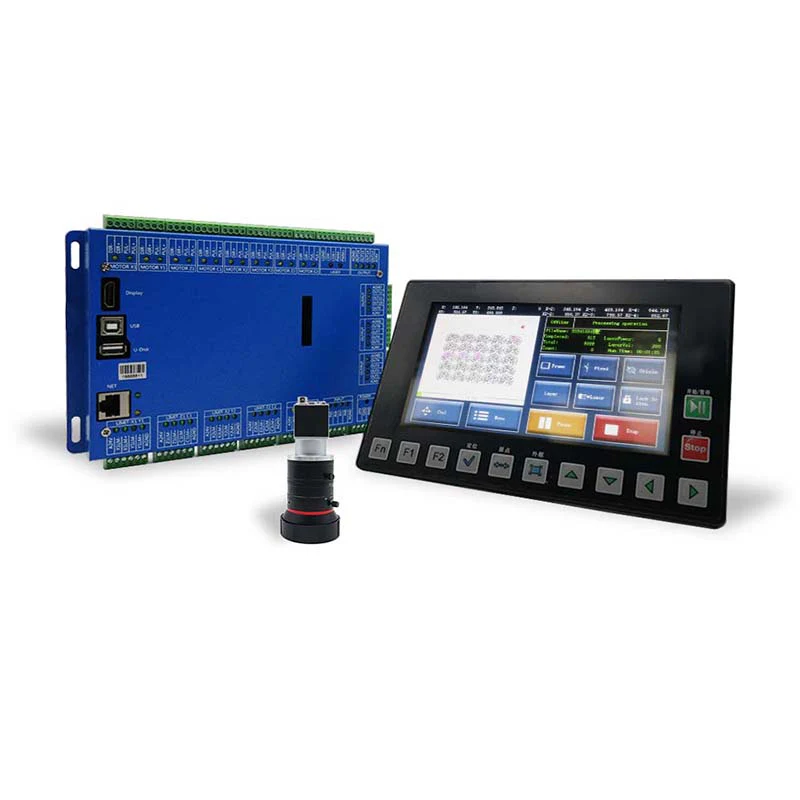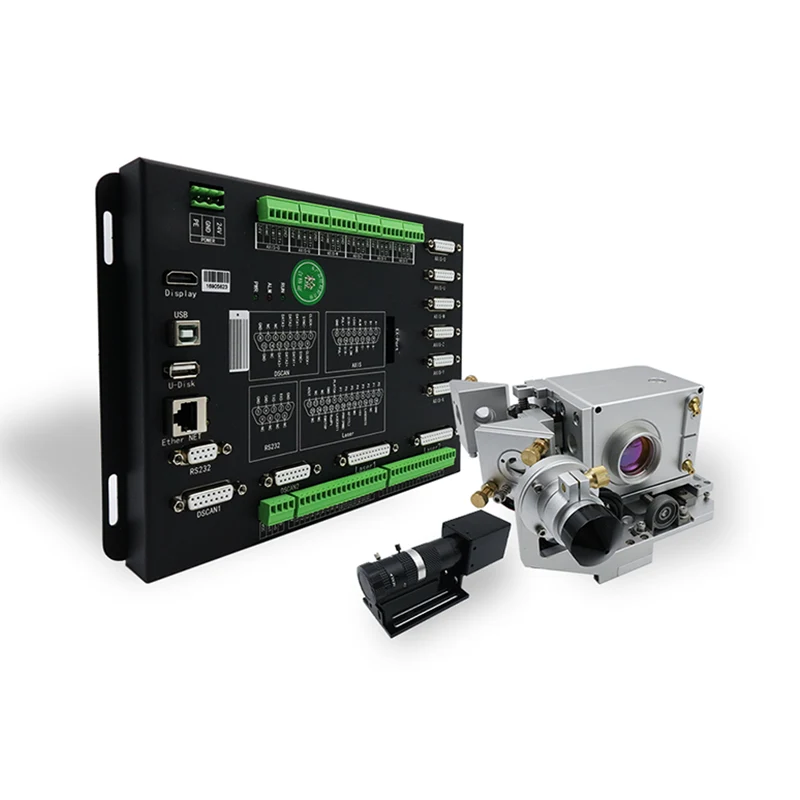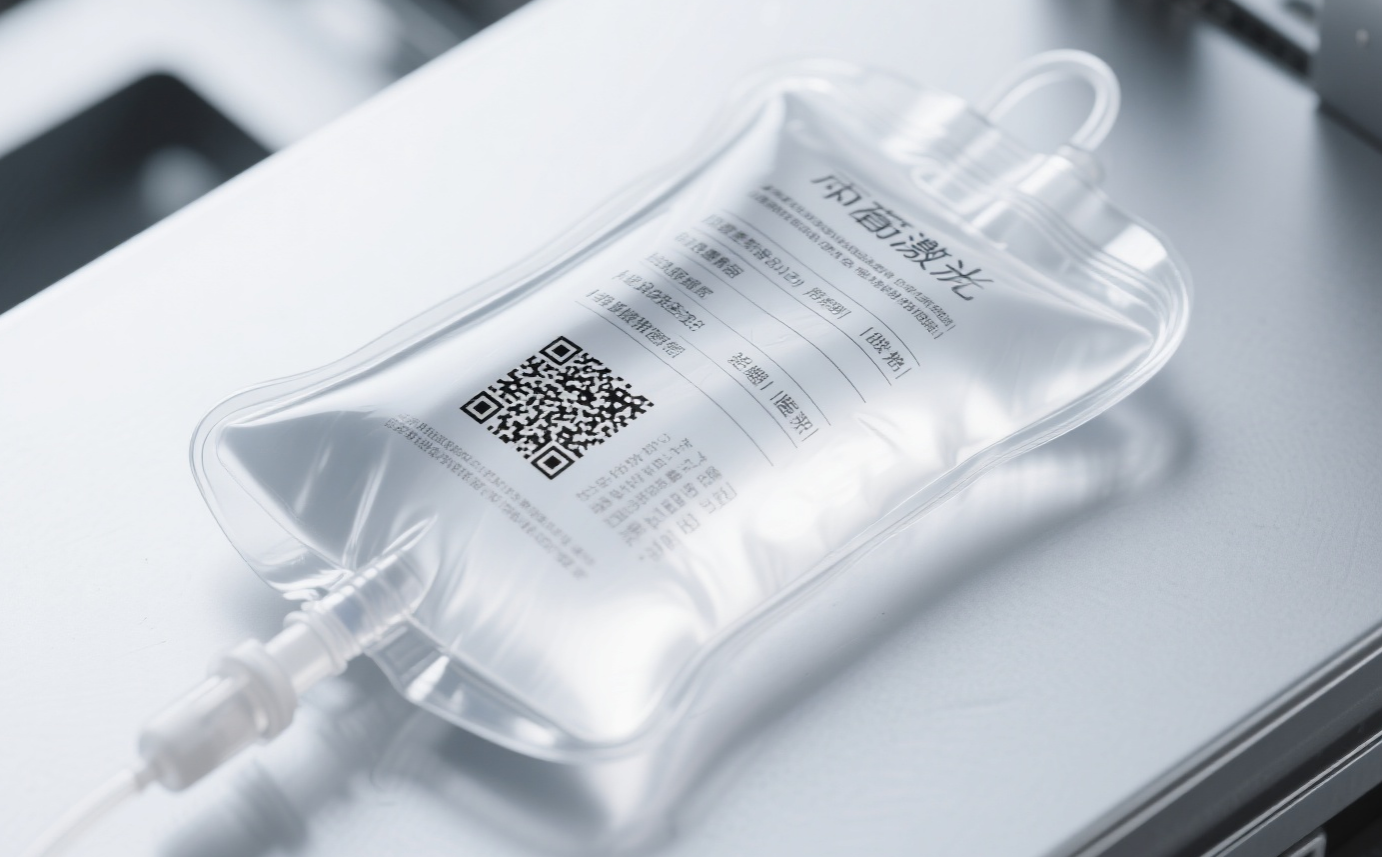
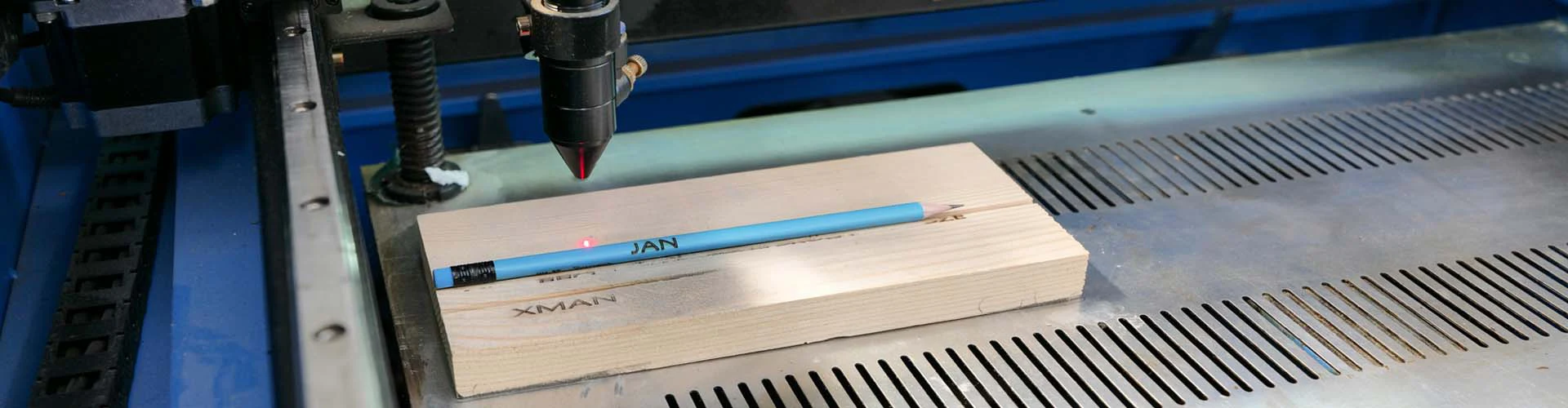
CO₂ laser cutting is a thermal processing technology that uses a high-energy laser beam to cut materials. It is widely used for non-metal materials and involves laser generation, beam delivery, focusing, and thermal interaction with the material. Combined with a laser control card and motion control system, the machine can follow digital graphics for automated cutting.
How a CO₂ Laser Produces a Cut
A CO₂ laser typically uses a gas mixture containing carbon dioxide as the laser medium. When energized, the gas molecules generate laser radiation at a specific wavelength. The beam is transmitted through the optical path and focused into a small spot, creating a high energy density.
When the focused beam interacts with the material, the material rapidly absorbs energy and may melt, vaporize, or thermally decompose, forming a cutting kerf. By controlling laser power, cutting speed, and focus, the process can be adapted to different materials and applications.
Key Parameters That Affect Cutting Quality
Laser power determines the energy delivered over time, while cutting speed affects heat exposure and processing efficiency. Focal length and focus position influence spot size and energy density. Material thickness, material properties, assist gas, and optical conditions can also affect cutting results.
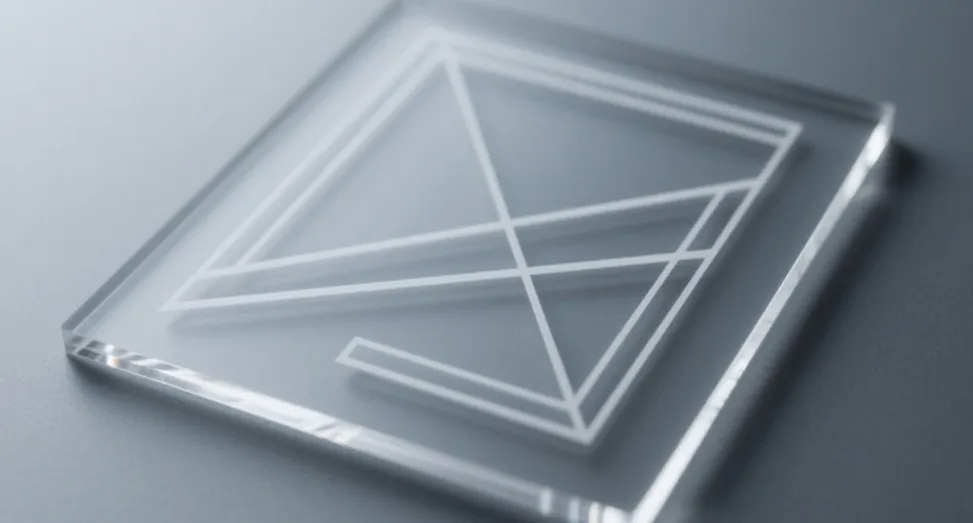
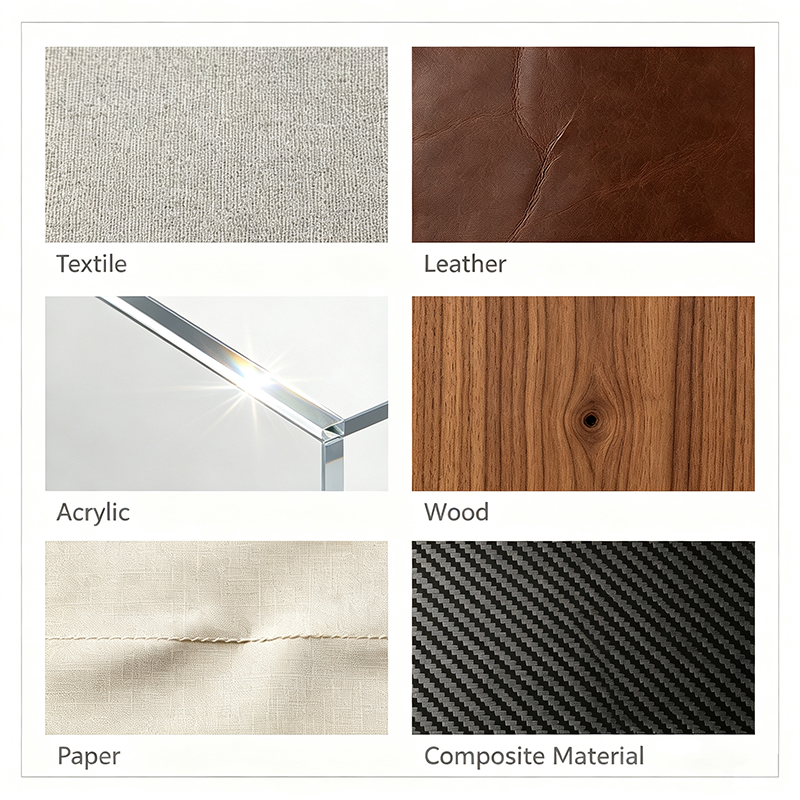
Textiles, leather, acrylic, wood, paper, and certain composite materials respond differently to CO₂ laser energy. Matching the processing parameters to the material is therefore essential for consistent results.
From Digital Design to Automated Cutting
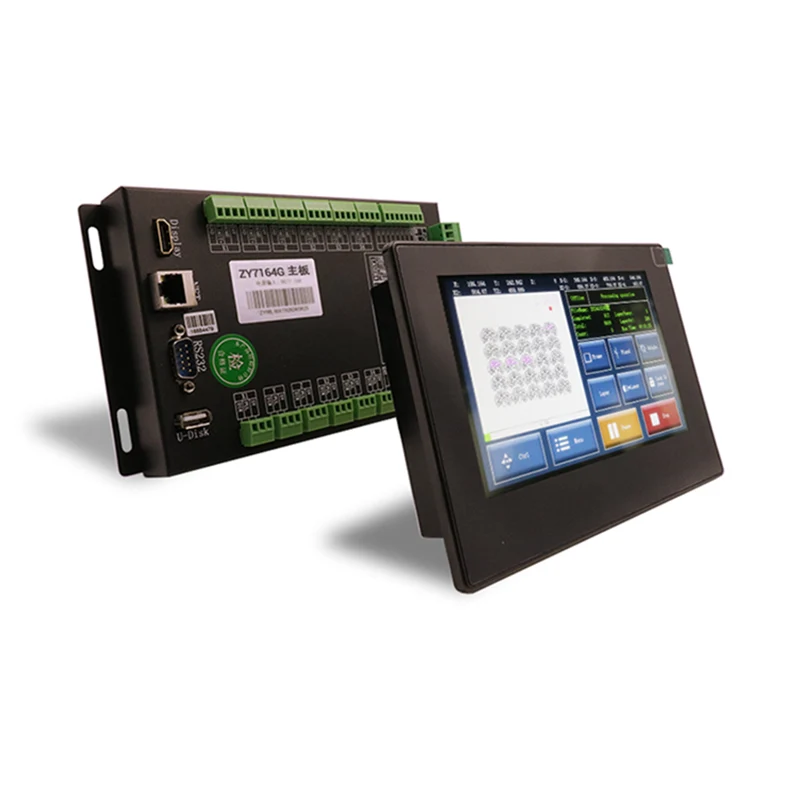
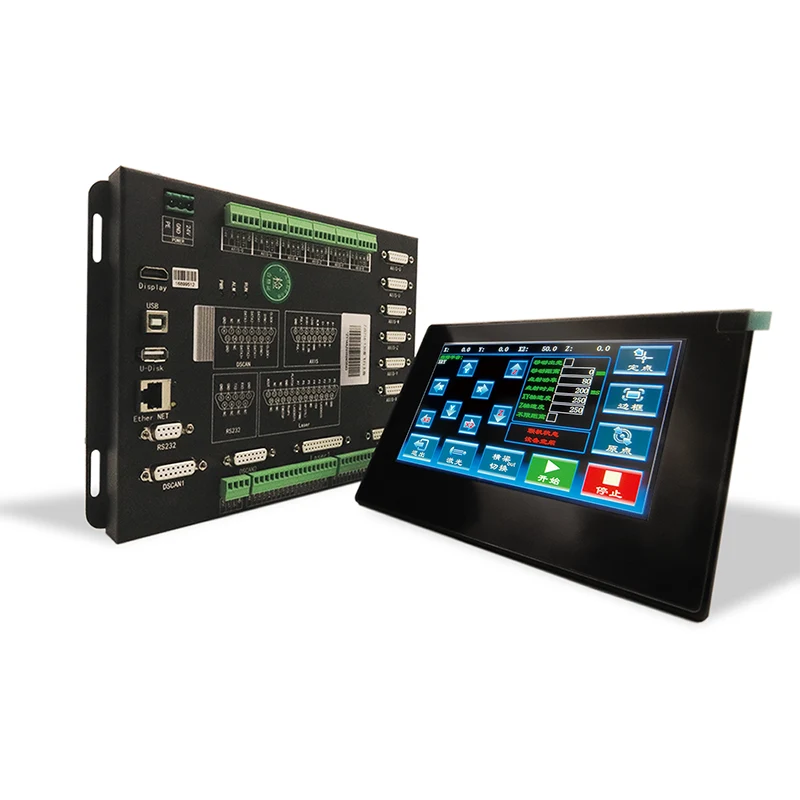
One major advantage of CO₂ laser cutting is digital processing. After a design file is prepared in software, it can be converted into a motion path. The laser control card coordinates motion trajectories, laser switching, power output, and processing timing so the machine can cut the required pattern automatically.
As automation, vision positioning, and intelligent control technologies continue to develop, CO₂ laser cutting systems are becoming more precise, efficient, and flexible. For machine builders and material processors, a stable laser control system remains an important foundation for reliable production.
-