Stay ahead of the curve with the latest news and updates from Shenzhen Shenyan CNC Co., Ltd. From product launches to industry insights, our news section keeps you informed about the latest developments in the laser and automation industry. Stay connected and be the first to know about our innovations and achievements.
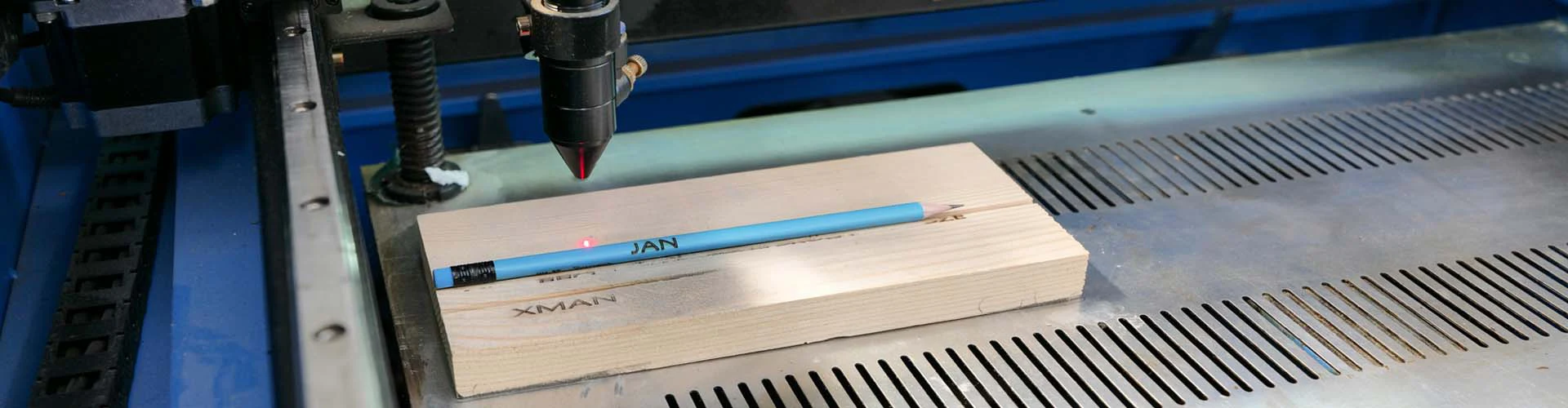
In the field of industrial manufacturing and customized production, non-metal laser cutting has already become a very mature and well-developed processing technology. For example, it is applied in the advertising and decoration industries for wood laser cutting, acrylic laser cutting, fabric laser cutting, and leather laser cutting; in addition, it is also applied in high-end manufacturing industries such as electronics and medical devices for film laser cutting, copper foil laser cutting, and plastic sheet laser cutting. Benefiting from the development of laser processing technology and the unique advantages of laser cutting such as non-contact processing, high precision, and high efficiency, laser cutting has become one of the irreplaceable processing technologies in the field of non-metal processing.
In Christmas decorations, such as connectable Christmas trees, exquisitely patterned Christmas cards, and Christmas decorative keychains, all of these Christmas decorations rely on the contribution of laser processing. Christmas decorations cannot do without complex decorative patterns such as snowflakes and reindeer, and the advantage of laser processing is that no matter how complex the design is, the finished product can be presented accurately and efficiently. In addition, laser cutting can ensure smooth and burr-free edges, which is suitable for the processing of high-end decorative products. Christmas decorations have short-cycle characteristics, with many custom requirements, short lead times, and small quantities, and laser processing can very well meet these needs.
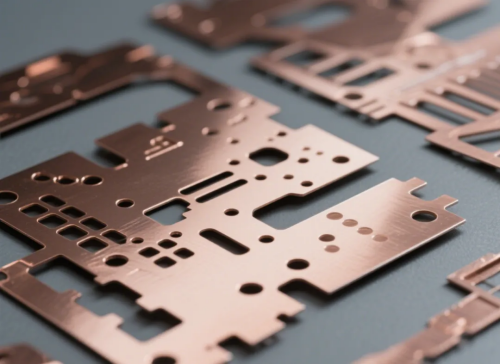
As one of the most important industrial raw materials, copper foil has multiple advantages such as excellent electrical conductivity, thermal conductivity, and ductility. Due to the continuous growth of market demand for energy and the rapid development of the information age, demand for copper foil in high-end manufacturing continues to increase; for example, copper foil is present in multiple industries such as chip packaging, batteries, and PCBs.Copper foil is no longer used merely as a circuit interconnection material, but has become a key raw material supporting the two core industries of information industry.
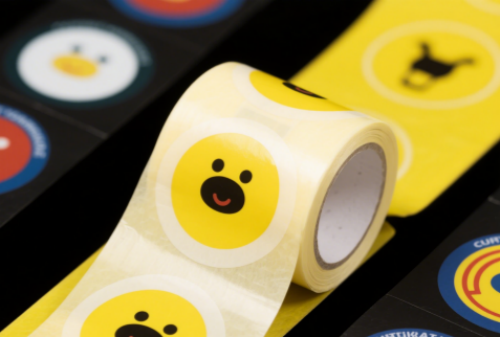
Pressure-sensitive adhesive (PSA), as a material widely used in packaging, labels, decoration, electronics, and other fields, is not only convenient to use but also has extremely high flexibility and deformability. From both decorative and practical perspectives, PSA has extremely high value. In PSA processing, laser processing has significant advantages in certain scenarios.
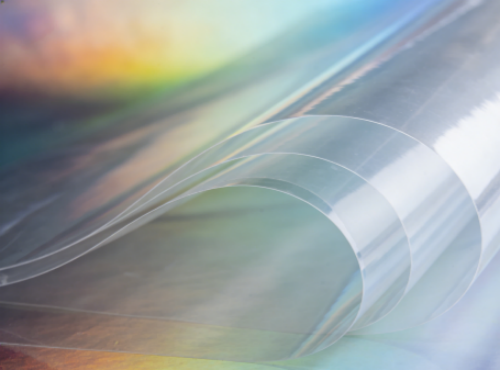
PET, as a performance-balanced industrial-grade plastic, possesses many significant advantages. Its high transparency and compliance with food-contact safety requirements make it one of the most popular materials in the packaging industry; in addition, due to its good electrical insulation properties and ease of cleaning, PET is also widely used in the electronics and medical industries. In PET processing, laser processing, with its flexibility, high efficiency, and high precision, has become a very well-established production and processing system for PET.
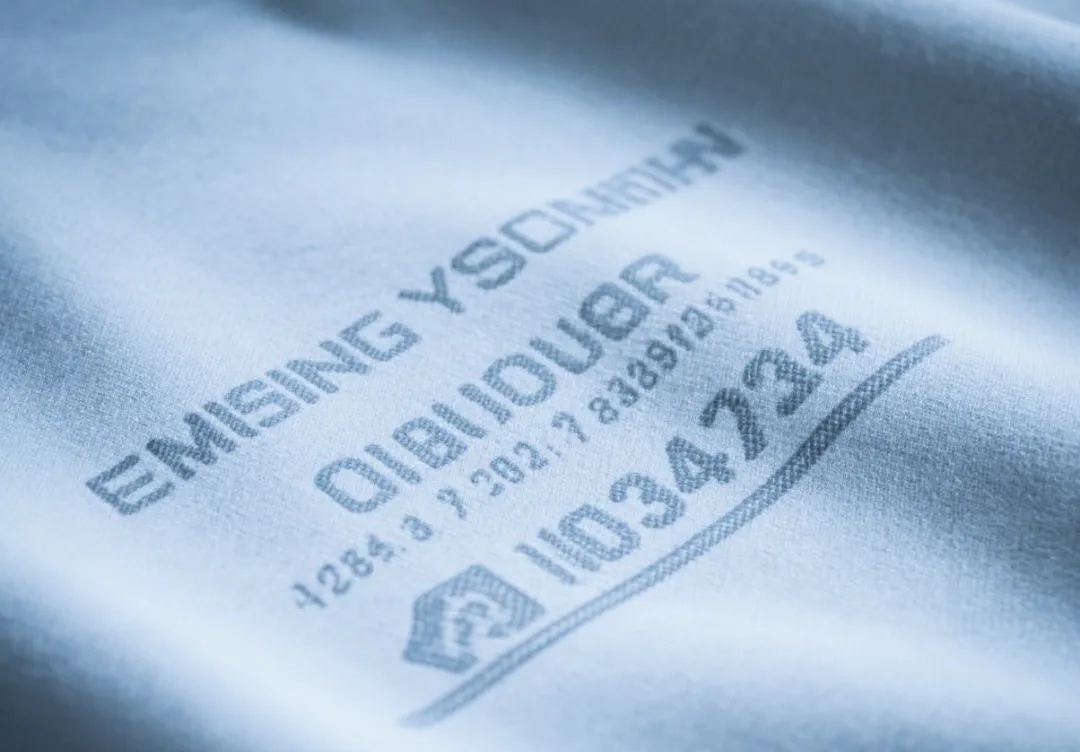
Due to its high efficiency, durability, and flexibility, laser marking has been widely applied in many fields such as textile materials. Traditional screen printing relies excessively on plate making, and ink coatings are prone to peeling off. In contrast, laser marking, using digital files, can quickly achieve modifications to design files and customized processing of processing, making it very suitable for small-batch and customized production requirements. Laser marking integrates the mark with the fabric by carbonizing or vaporizing the surface of the processed material, achieving a durable, clear, and peel-resistant marking effect.
We use cookies to offer you a better browsing experience, analyze site traffic and personalize content. By using this site, you agree to our use of cookies. Privacy Policy

 05 2026-01
  25 2025-12
  24 2025-12
  23 2025-12
  22 2025-12
  18 2025-12