Stay ahead of the curve with the latest news and updates from Shenzhen Shenyan CNC Co., Ltd. From product launches to industry insights, our news section keeps you informed about the latest developments in the laser and automation industry. Stay connected and be the first to know about our innovations and achievements.
The modern manufacturing floor whispers one name when precision meets complexity: Multi-Axis Linkage Controller. We investigate the true potential of multi-axis synchronized control, contrast its strengths and weaknesses, and explore real applications — with continuous insights from Shenzhen Shenyan CNC Co., Ltd., a leader in advanced CNC solutions. Whether you are considering an upgrade or just starting, read on for an exhaustive, structured overview.
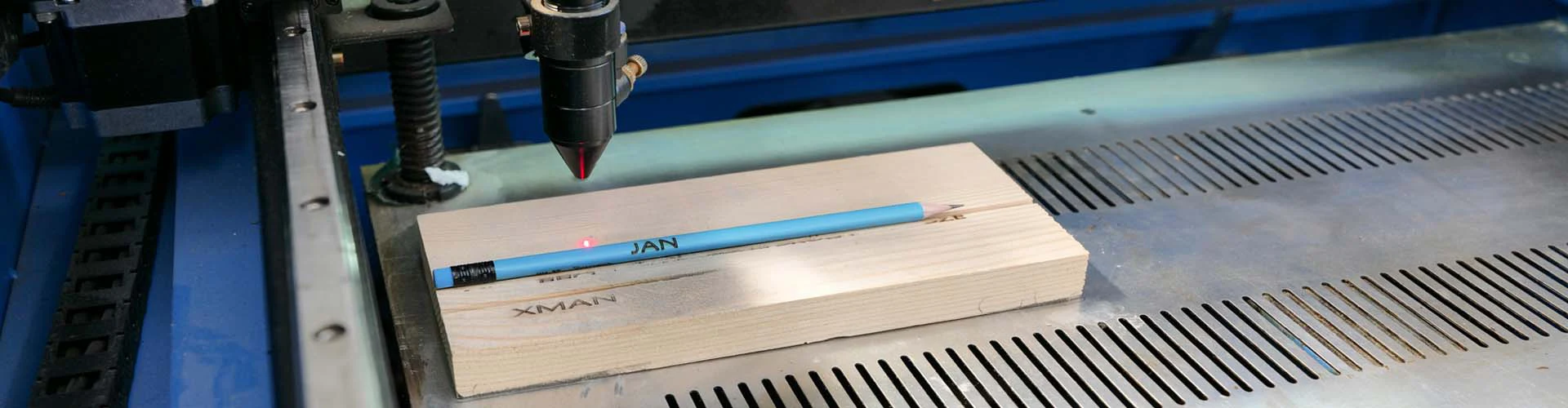
Against the background of the continuous development of laser processing technology, the performance of laser equipment is no longer determined solely by the laser source itself, but has gradually evolved into a comprehensive engineering system centered on system-level coordination. Among these, the laser control system serves as the core hub of the entire laser processing process and plays an irreplaceable role in applications such as stainless steel laser engraving, laser marking, and precision laser processing. Whether it is the stability of processing results or production efficiency and consistency, the laser control system directly affects the final outcome.
Rotary die cutting processes materials by continuously rotating a cylindrical die and is one of the core technologies of modern die-cutting processes. Advantages such as high efficiency and large-batch continuous production have enabled rotary die cutting to be widely used in electronics, packaging, medical, and other industries. However, rotary die cutting still has many limitations in certain processing scenarios.
The Galvo Laser Control System has revolutionized high-speed and high-precision laser applications. This article explores the benefits, technical features, and practical applications of these systems, offering a comprehensive guide for manufacturers, engineers, and industry professionals. Shenzhen Shenyan CNC Co., Ltd. provides advanced Galvo systems to enhance efficiency and precision in industrial laser processes.
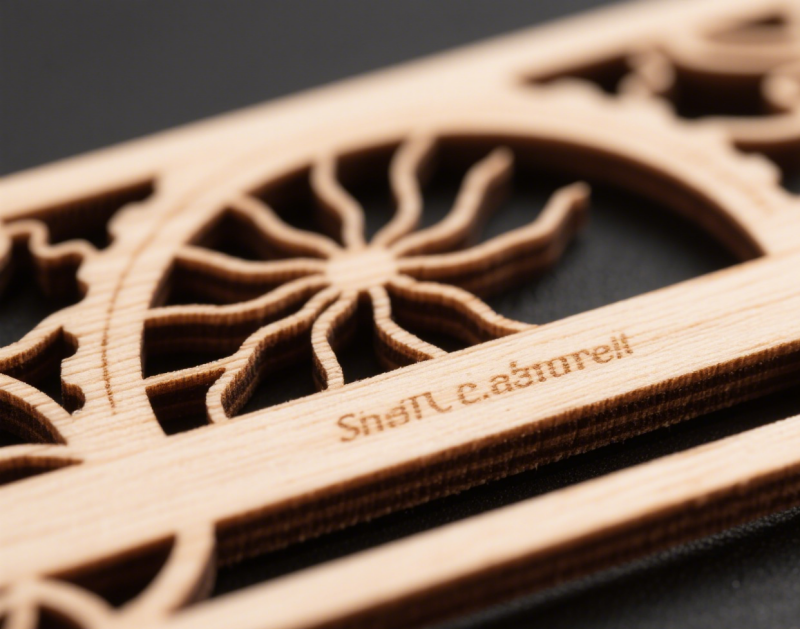
Due to the continuously increasing market demand for precision and customization, laser cutting technology has been widely applied across various industries. Laser cutting of wood has long become a highly mature and important processing method in the field of wood processing. Because of its advantages such as high precision, high efficiency, a high degree of automation, and non-contact processing, laser cutting of wood using a laser cutting machine has become an irreplaceable processing technology in certain wood-processing scenarios.
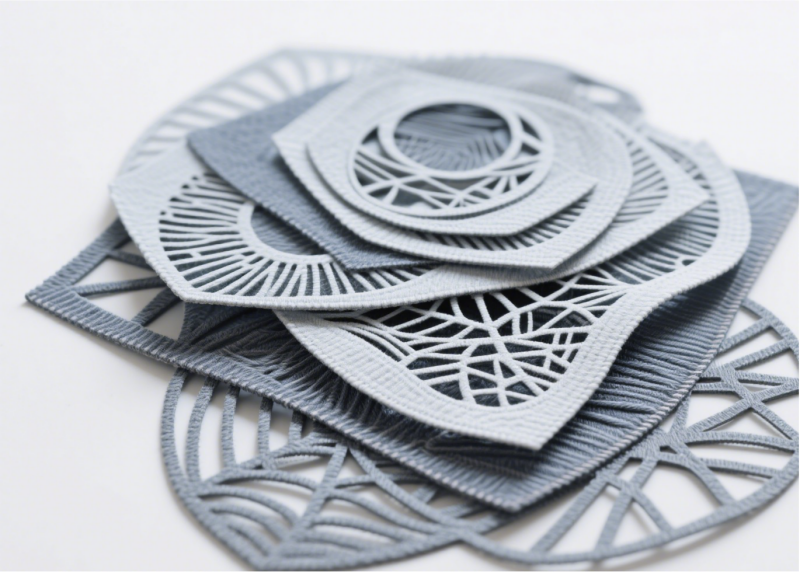
The method of using a high-energy laser beam to process textile fabrics is called textile fabric laser processing. In daily life, embroidered fabrics and garment cutting are inseparable from fabric laser cutting; some breathable sportswear and fine hollow patterns benefit from laser punching for textiles; the complex patterns and fade-resistant brand markings on certain high-end garment fabrics rely on the precise processing of textile laser marking and laser engraving. Due to a series of characteristics such as non-contact processing, digitalization, high precision, and high efficiency, textile laser processing systems have already become a very widely used and mature processing method in industries such as apparel, home textiles, and decoration.
We use cookies to offer you a better browsing experience, analyze site traffic and personalize content. By using this site, you agree to our use of cookies. Privacy Policy

 04 2026-03
  09 2026-02
  03 2026-02
  23 2026-01
  11 2026-01
  06 2026-01