Stay ahead of the curve with the latest news and updates from Shenzhen Shenyan CNC Co., Ltd. From product launches to industry insights, our news section keeps you informed about the latest developments in the laser and automation industry. Stay connected and be the first to know about our innovations and achievements.
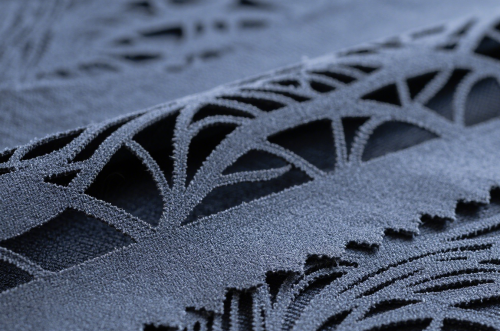
Laser cutting of fabric, due to its significant advantages in precision, efficiency, and consistency of processing quality, is used in many industries and is clearly superior to traditional die cutting or manual cutting. Traditional manual cutting relies excessively on craftsmen’s skills; manual cutting inevitably produces certain errors and makes it difficult to ensure the consistency of finished products. Die-cutting methods are prone to generating mechanical stress, causing stretching and deformation of materials, and once a die is manufactured and its pattern is formed, it is difficult to modify; even if modification is possible, it will result in higher costs.
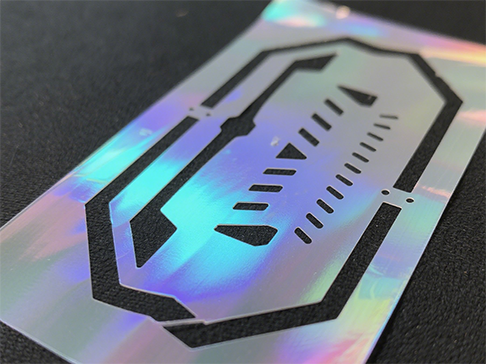
The special physical properties of flexible displays—being bendable, shatter-resistant, and thin and light—make them highly popular across various industries. Smartphones, tablets, automotive displays, and medical instrument panels all rely heavily on flexible displays. Meanwhile, laser processing, due to its non-contact machining, high precision, and support for customized processing, has become one of the core technologies in flexible display manufacturing.
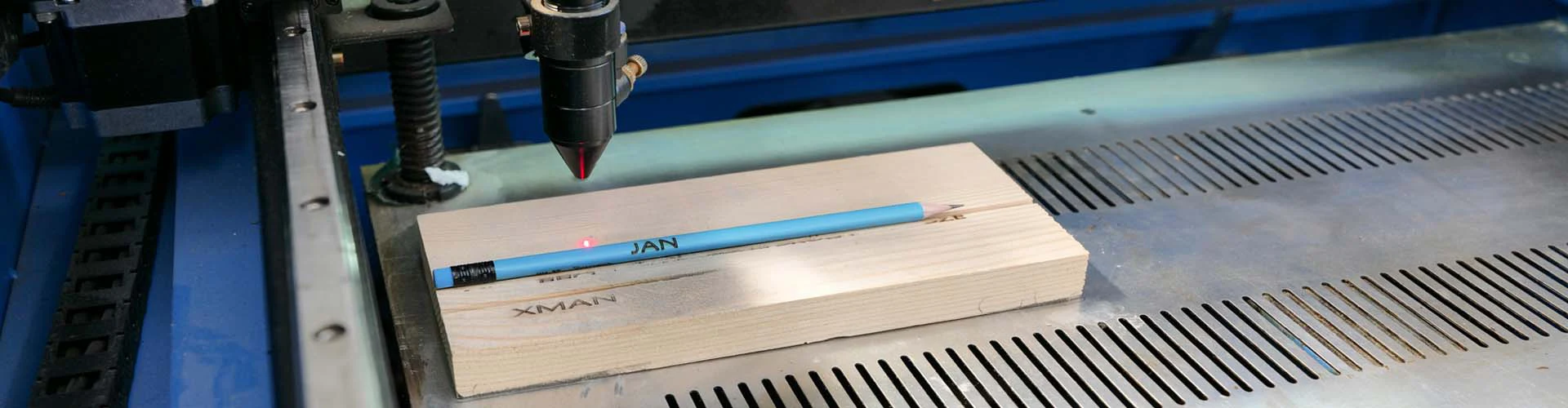
Laser marking is a processing technology that uses high energy density laser radiation to cause physical or chemical changes on the surface of a material, thereby forming marks on the material surface. When the laser is focused on the material surface, the surface undergoes changes such as oxidation, carbonization, or the removal of an extremely thin surface layer. Through these changes, the material surface can form marks that are not easy to separate or peel off and that are extremely precise and clear.
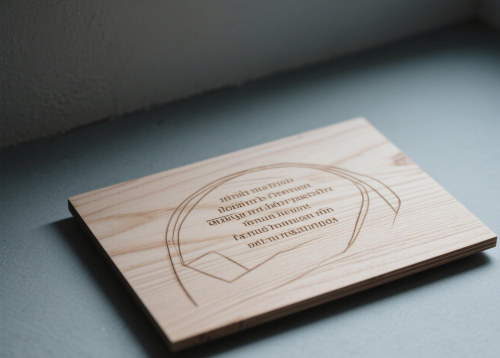
Laser engraving of wood uses a high-energy laser beam to carbonize, ablate, or vaporize the wood surface, thereby forming textures or patterns on it. Selecting a suitable Laser Engraving Controller is crucial for engraving wood. A good Laser Engraving Control System determines the production cost investment, the realization of processing quality, and the impact on material consumption.
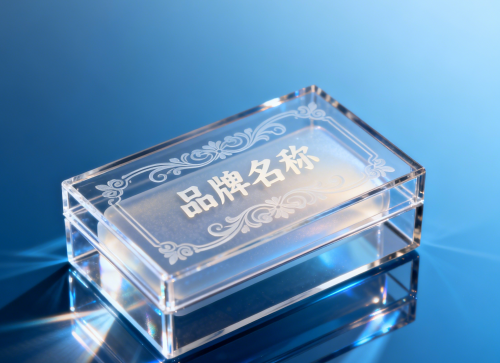
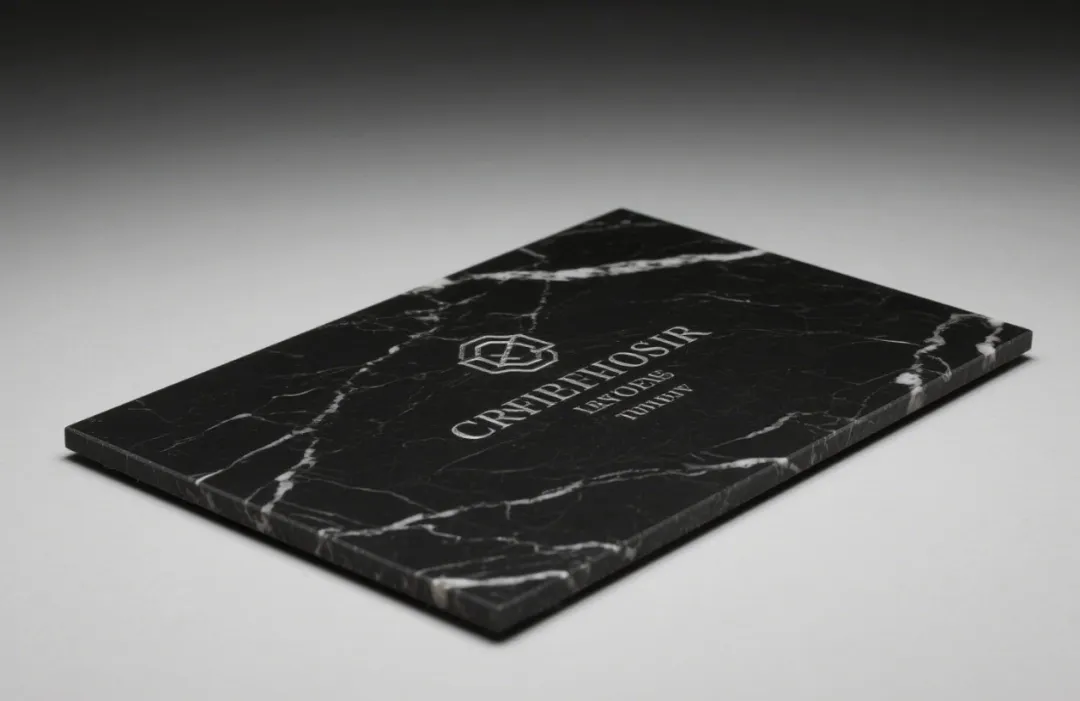
From the “civilization hard drive” that records and transmits culture to the modern commercial signage that showcases brand identity, marble engraving—an ancient and enduring craft—runs through the entire history of human civilization. It is not merely the physical act of “engraving patterns on stone,” but also carries humanity’s profound needs across multiple dimensions, including practicality, emotion, art, spirituality, and cultural inheritance. Because of its qualities of permanence, beauty, and symbolic meaning of strength and immortality, carved marble has been widely used in various fields such as garden landscapes, religious architecture, commercial signage, and customized handicrafts.
EtherCAT laser controller cutting is a laser cutting control solution based on the EtherCAT real-time industrial EtherCAT. Compared with traditional laser cutting control systems, the EtherCAT laser cutting system has lower laser response delay, and commands such as power adjustment and speed change take effect faster and more accurately.
We use cookies to offer you a better browsing experience, analyze site traffic and personalize content. By using this site, you agree to our use of cookies. Privacy Policy

 17 2025-12
  16 2025-12
  15 2025-12
  12 2025-12
  10 2025-12
  08 2025-12