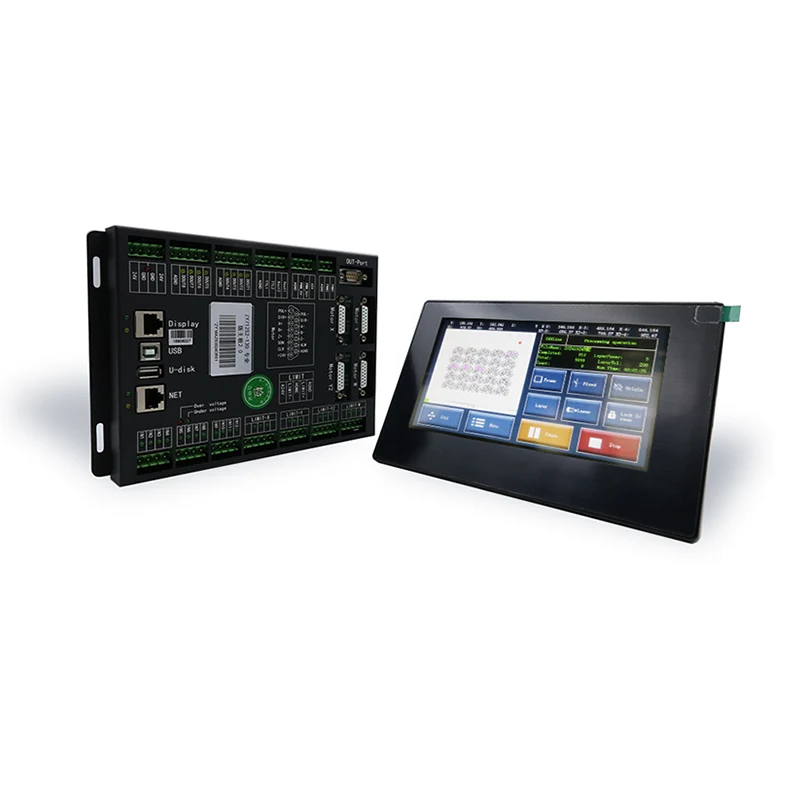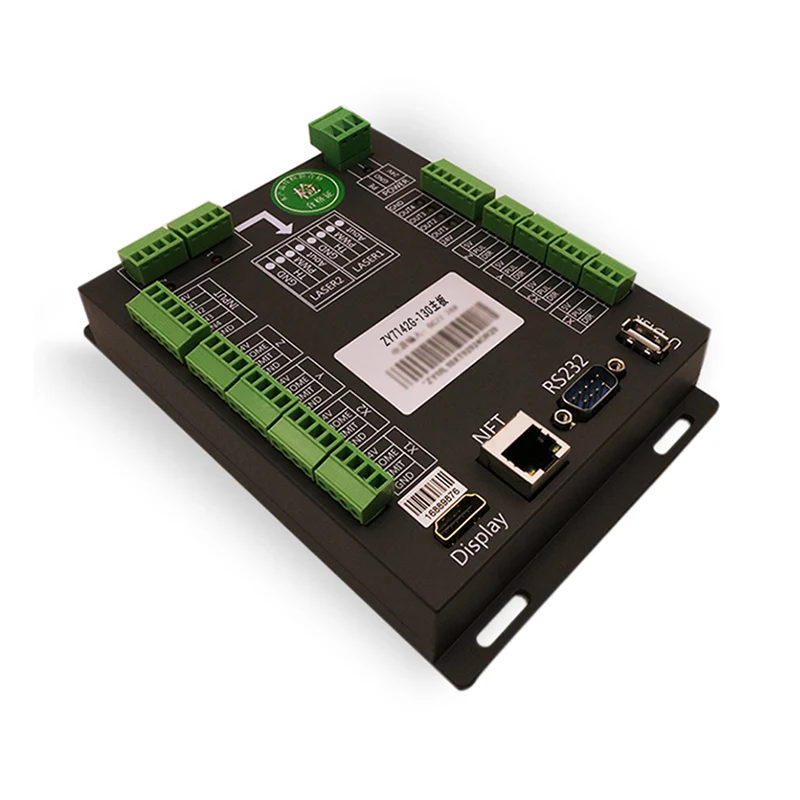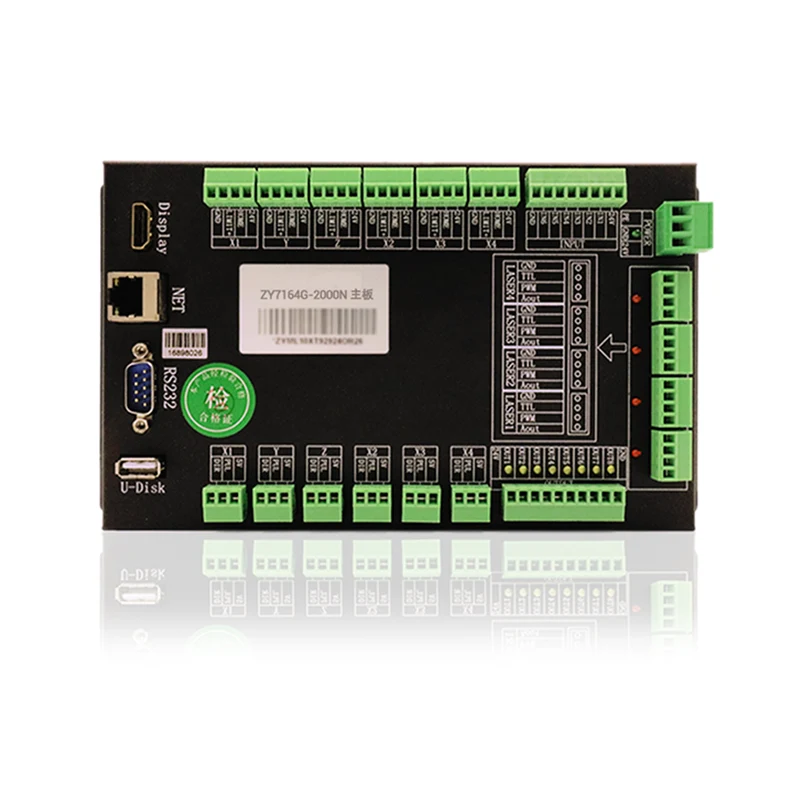
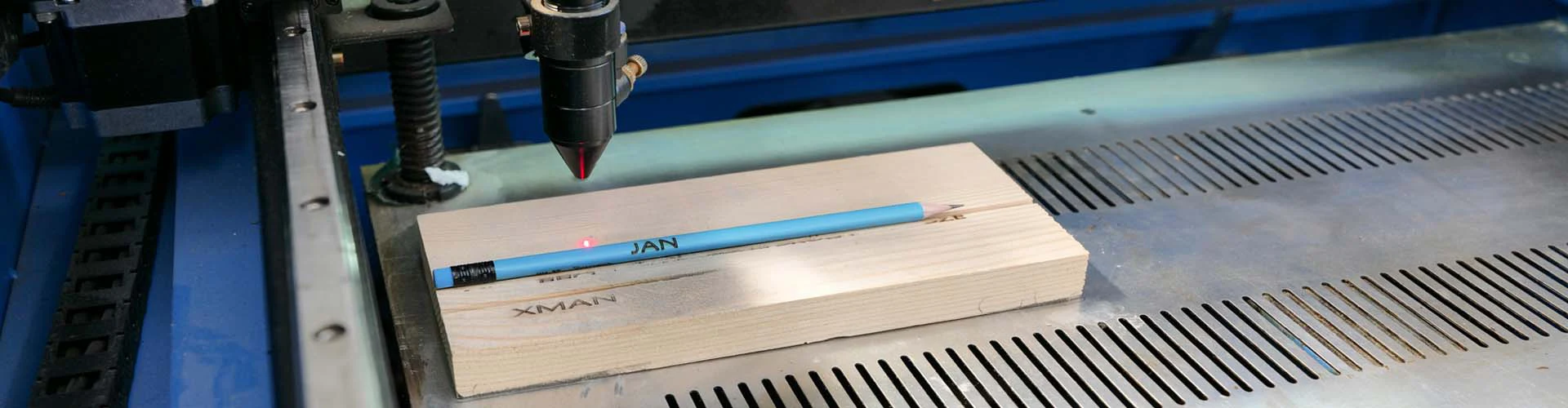
When engraving acrylic, the laser control board plays a critical role in setting motion, power, speed, and compatibility.
Acrylic materials are generally divided into extruded acrylic and cast acrylic. Extruded acrylic is simpler to manufacture and more cost-effective, while cast acrylic offers better light transmission, impact resistance, and chemical durability. You can choose different types of acrylic depending on your specific needs.
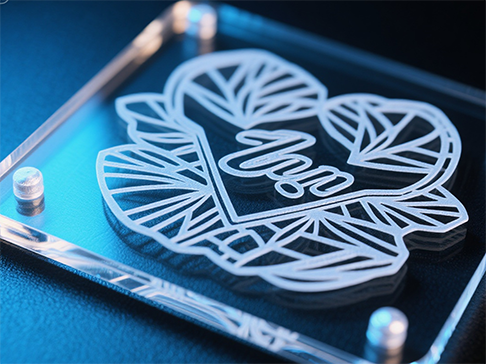
Since acrylic is highly sensitive to heat, excessive laser power can cause melting or bubbling, while unstable power may lead to fogging or inconsistent engraving depth. Therefore, the laser control board must provide precise power control to ensure smooth, uniform engraving lines and clean edges.
During processing, stability is a key factor — a laser control board with good stability and anti-interference capability ensures consistency throughout the engraving process and helps reduce material waste.In addition, an excellent laser control board should also have strong compatibility.
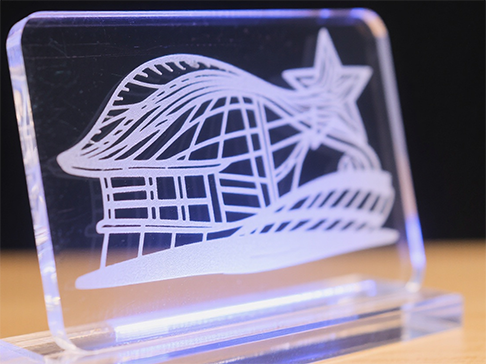
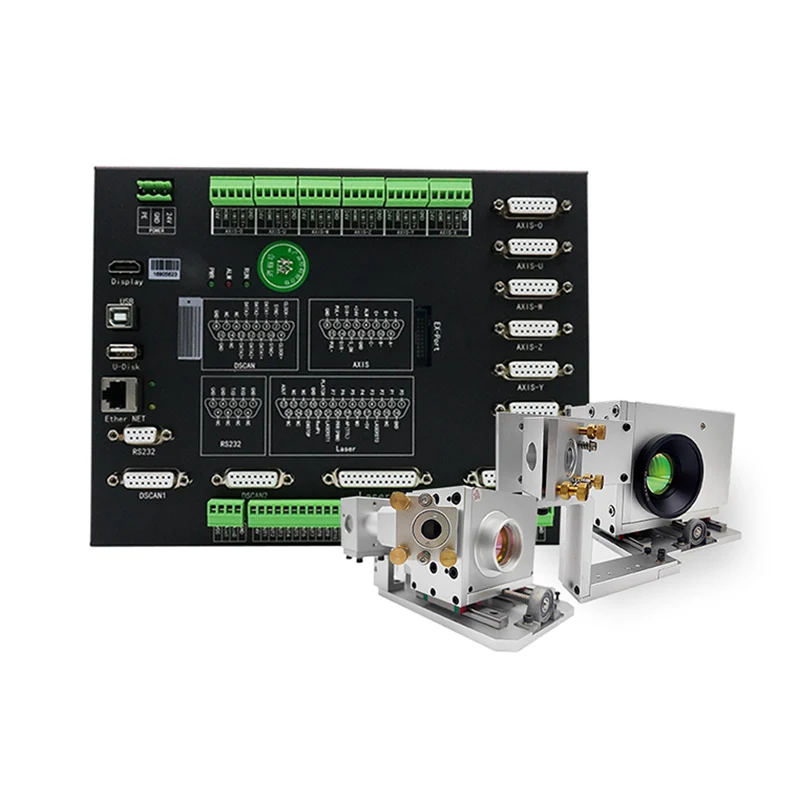
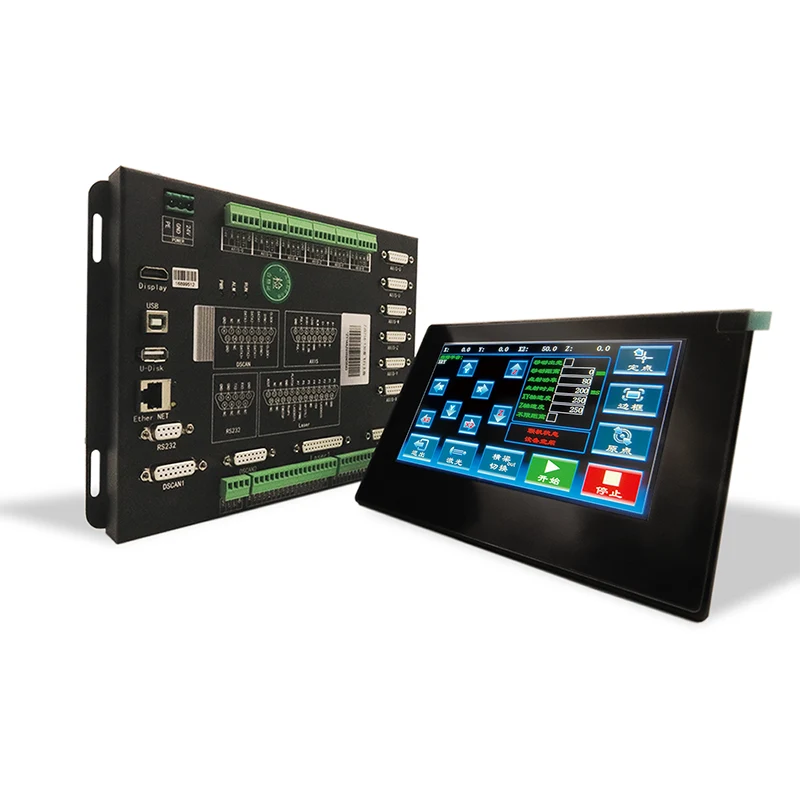
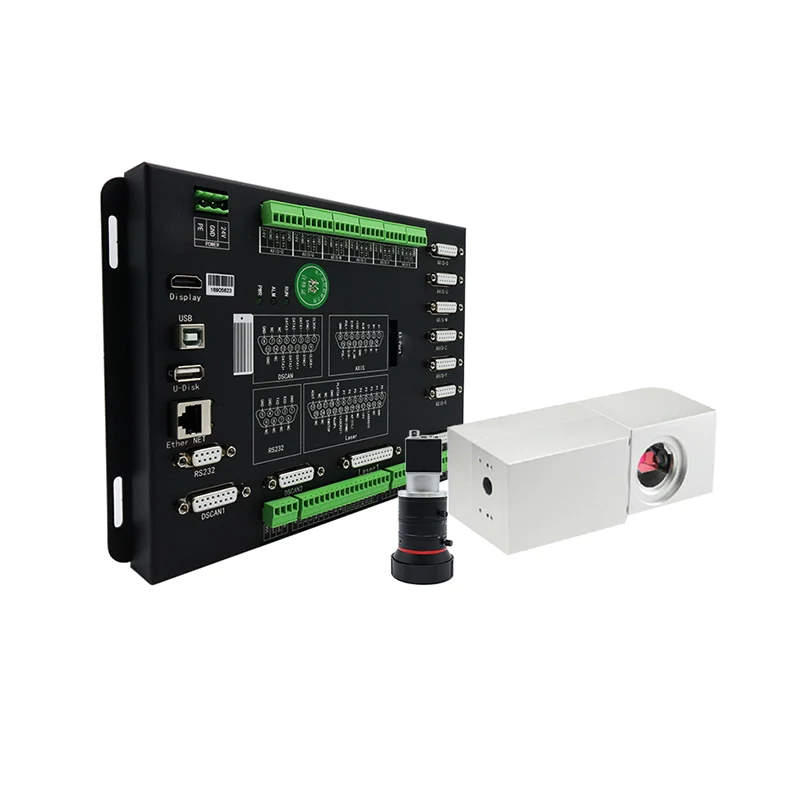
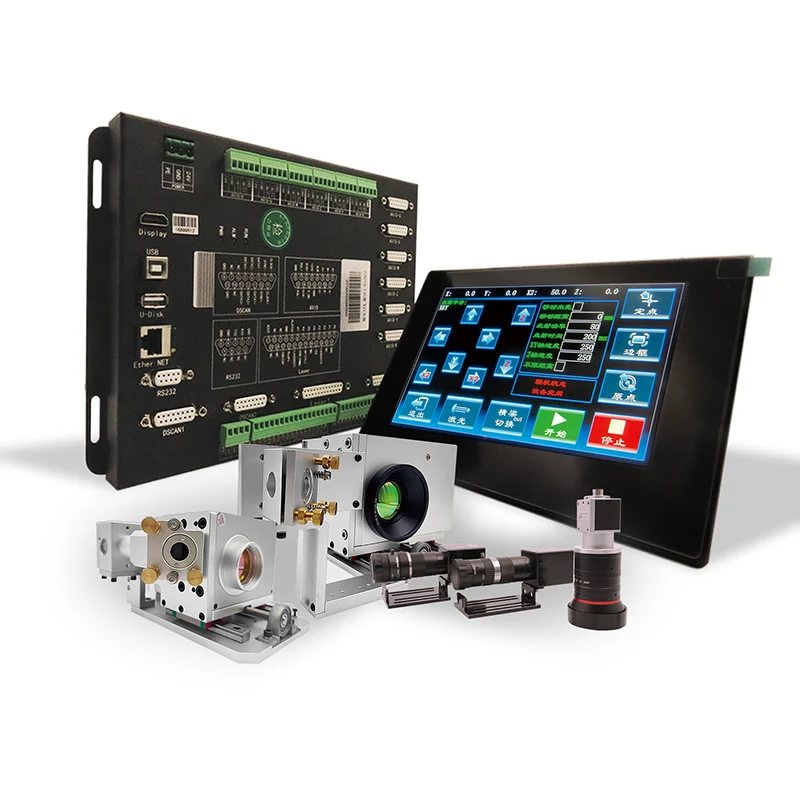
Shenyan Galvanometer Dual-Flight Vision laser control board adopts galvanometer and XY frame flight linkage technology, combined with precise visual positioning and graphic recognition functions, to achieve ultra-large-format graphics cutting and engraving, ensure processing accuracy and efficiency, and accurately present every detail.
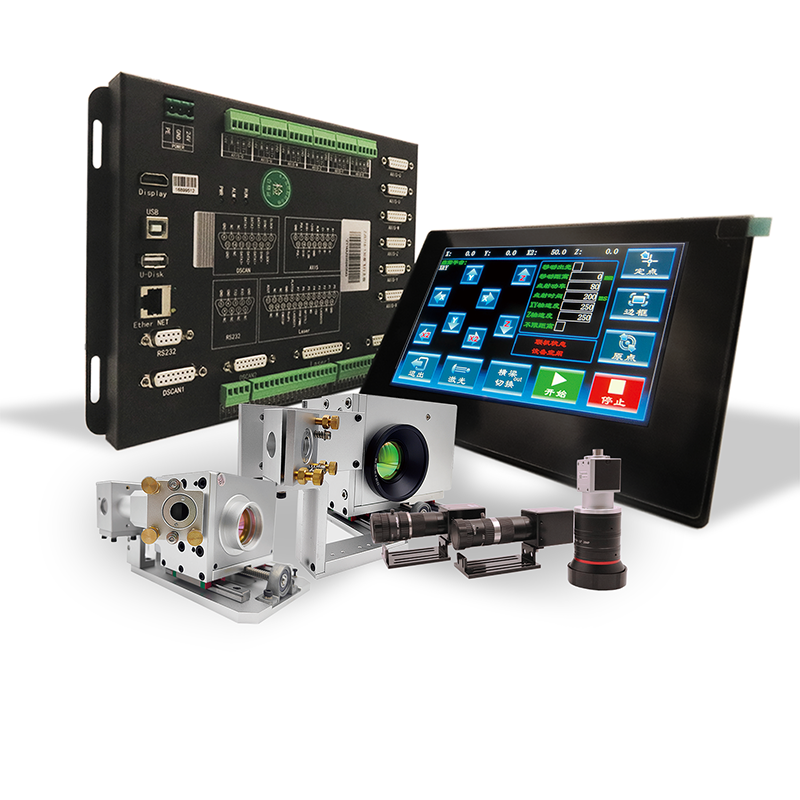
The Galvanometer Dual-Flight Vision Laser Controller integrates advanced encoder technology and adopts an nterferometer-based data compensation mechanism. In addition, the laser controller allows manual fine-tuning of local galvanometer correction parameters, enabling flexible optimization of localized processing accuracy. The laser controller also supports real-time compensation for processing deviations, ensuring exceptional consistency and stability even during long-term continuous operation.
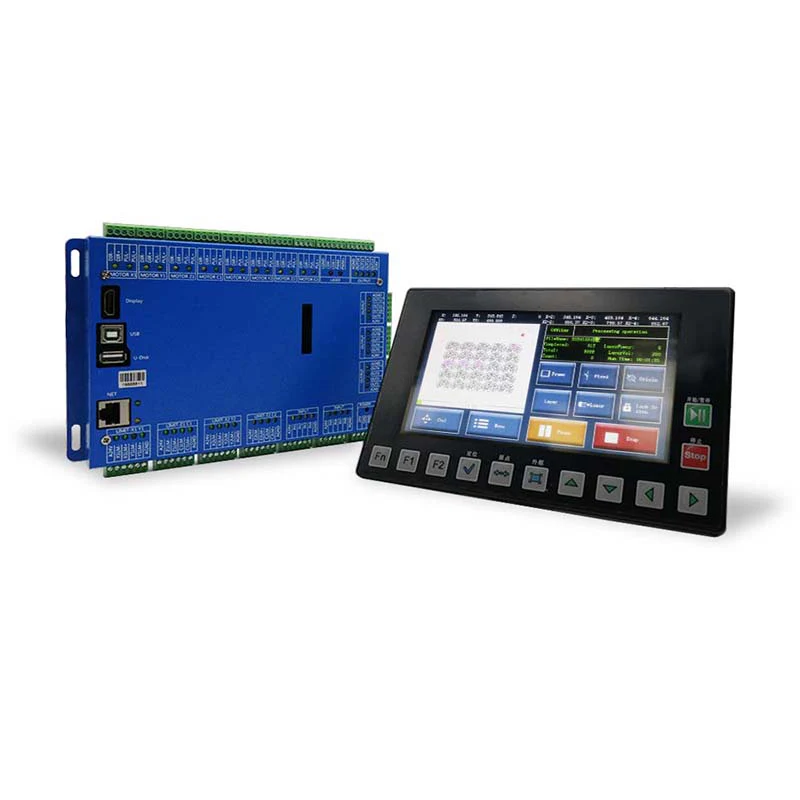
Moreover, the laser controller is compatible with Shanyan’s newly developed EtherCAT system control . Compared with traditional pulse-based control methods, EtherCAT significantly simplifies wiring, increases data transmission speed, and enhances overall processing efficiency, resulting in substantial improvements in production performance and throughput.