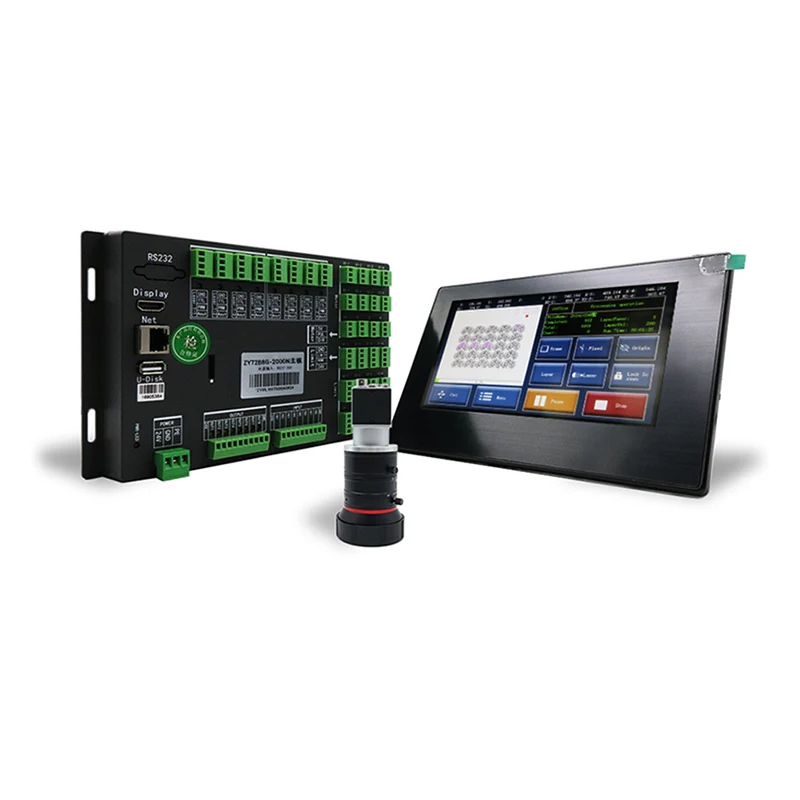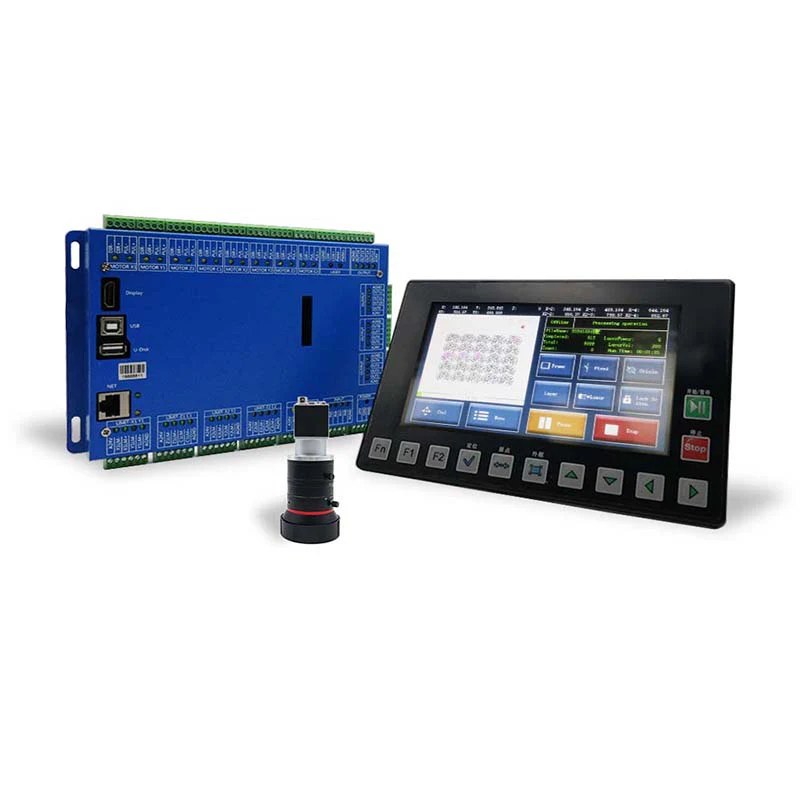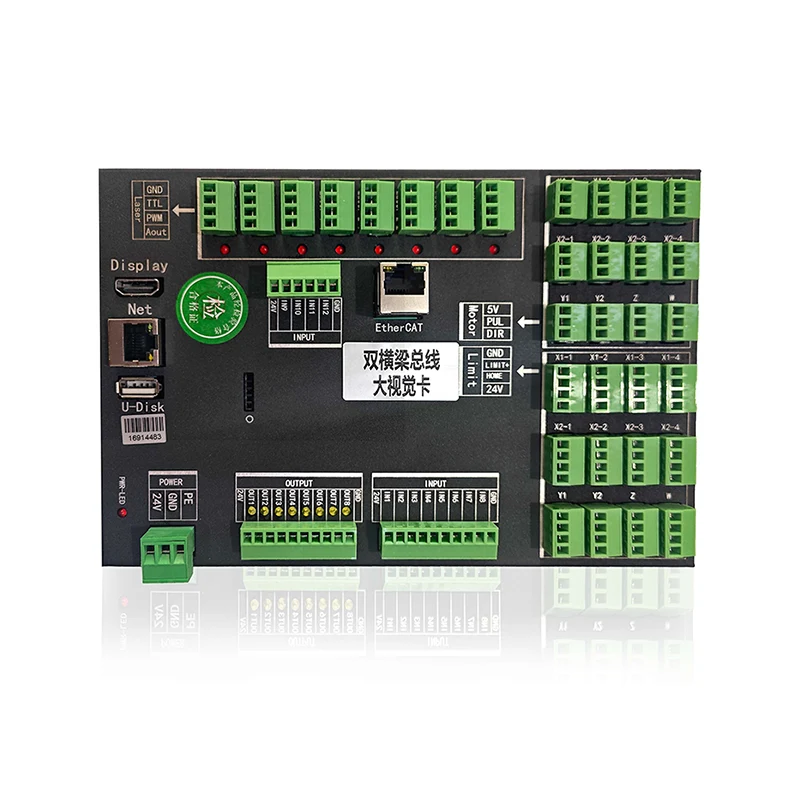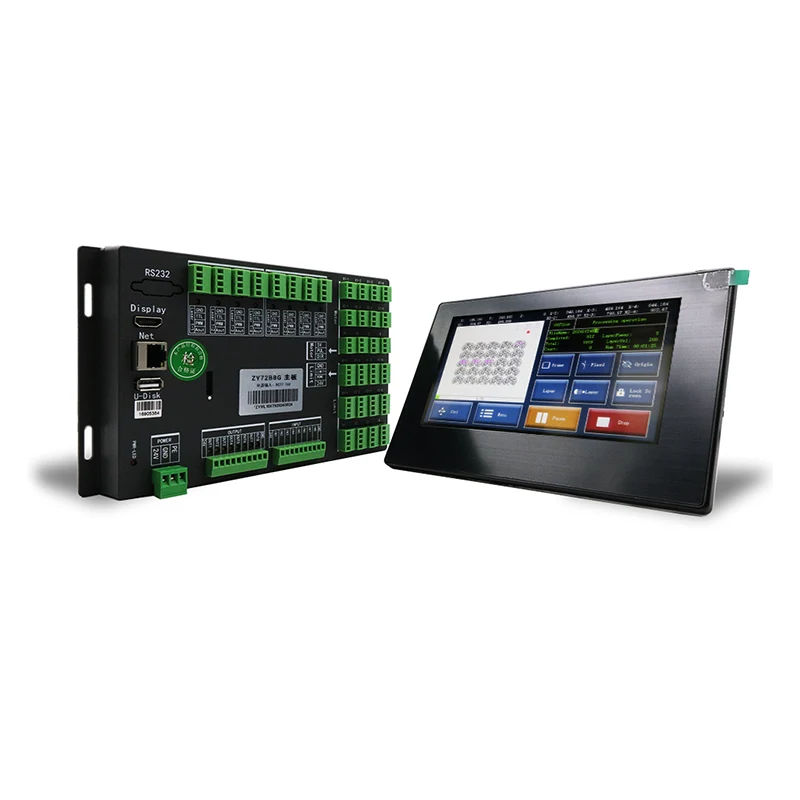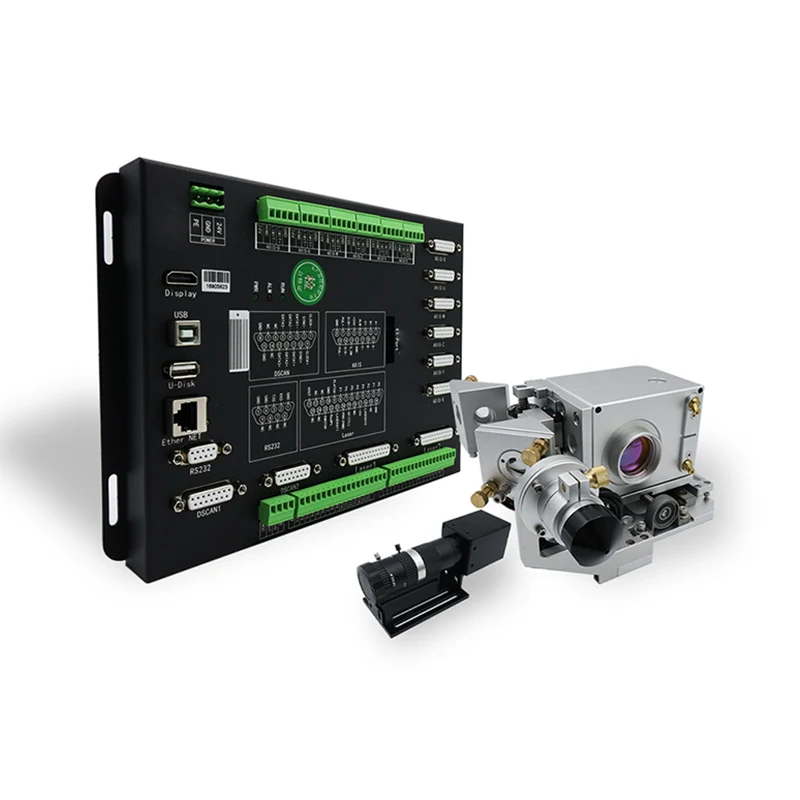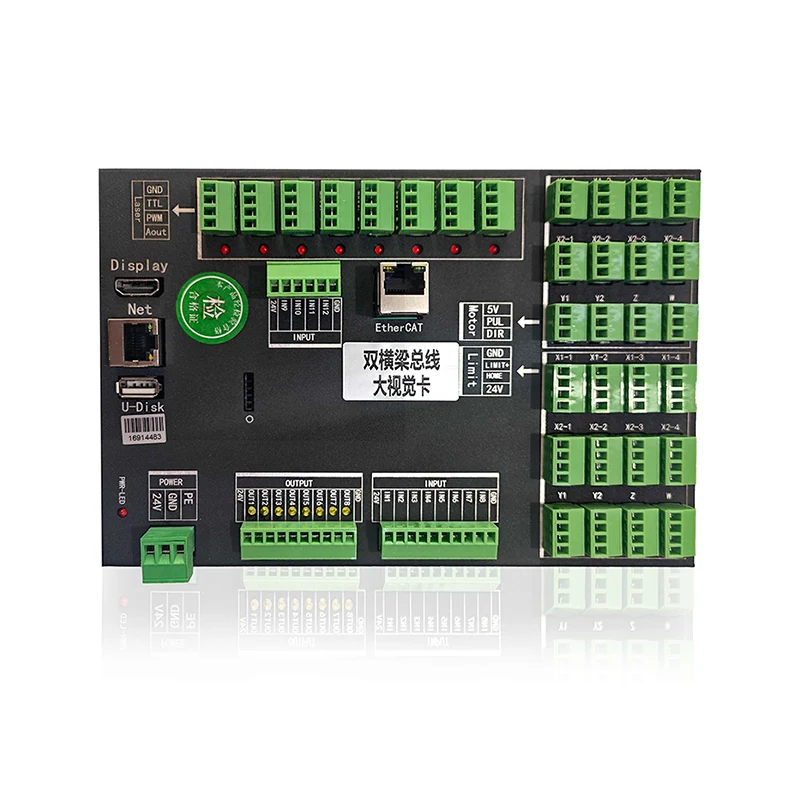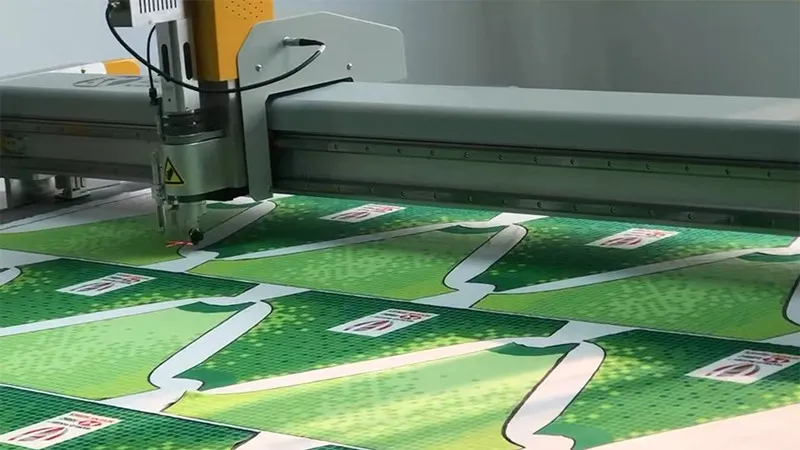
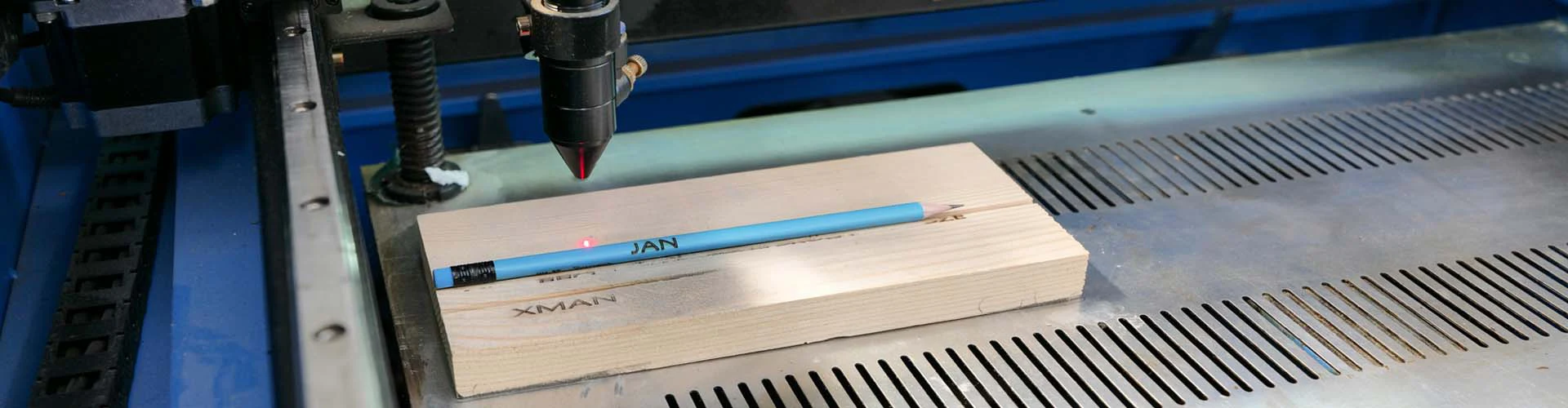
Against the background of the continuous development of laser processing technology, the performance of laser equipment is no longer determined solely by the laser source itself, but has gradually evolved into a comprehensive engineering system centered on system-level coordination. Among these, the laser control system serves as the core hub of the entire laser processing process and plays an irreplaceable role in applications such as stainless steel laser engraving, laser marking, and precision laser processing. Whether it is the stability of processing results or production efficiency and consistency, the laser control system directly affects the final outcome.
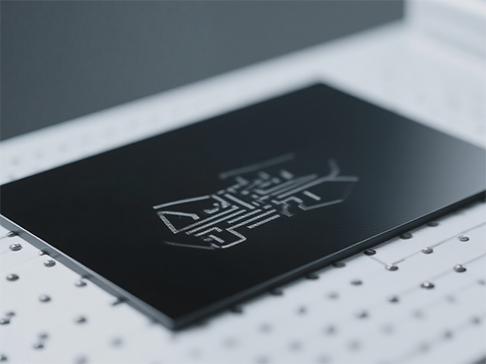
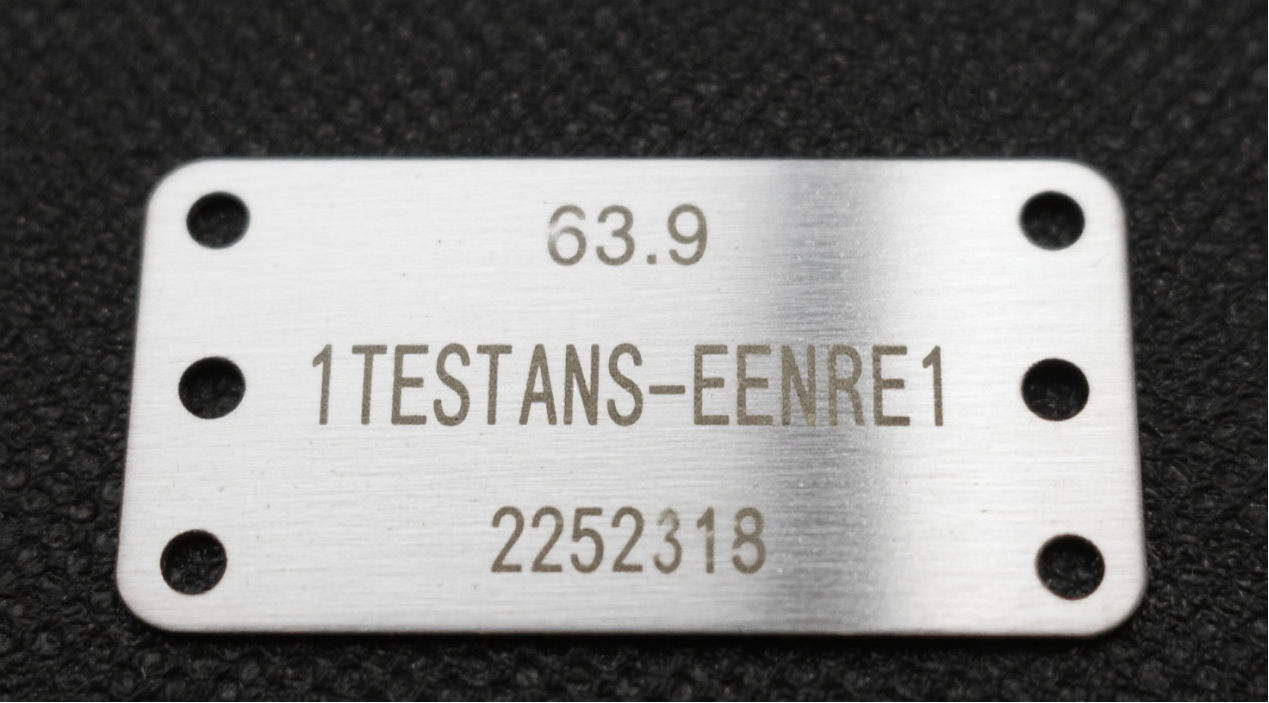
From an essential perspective, the laser control system provides precise coordinated control among the laser source, the galvanometer scanning system, and the motion mechanisms. During laser processing, the control system is not only responsible for turning the laser on and off, but also performs real-time scheduling of power output, pulse frequency, pulse width, and scanning paths. It is precisely this refined management of time and energy that enables the laser to act on the material surface in a controllable and repeatable manner, thereby forming stable and high-quality processing results. In high-requirement applications such as stainless steel laser engraving, the laser control system provides critical technical support to ensure processing quality. Stainless steel materials are extremely sensitive to laser energy, and even slight fluctuations can lead to gray markings, uneven coloration, or edge overheating. High-performance laser control systems can stabilize the distribution of laser energy on stainless steel surfaces through precise power modulation and pulse control, thereby achieving clear, uniform, and consistent engraving or marking results. This level of stability is particularly important for mass production and is also an important criterion for evaluating the superiority of control systems in industrial-grade applications.
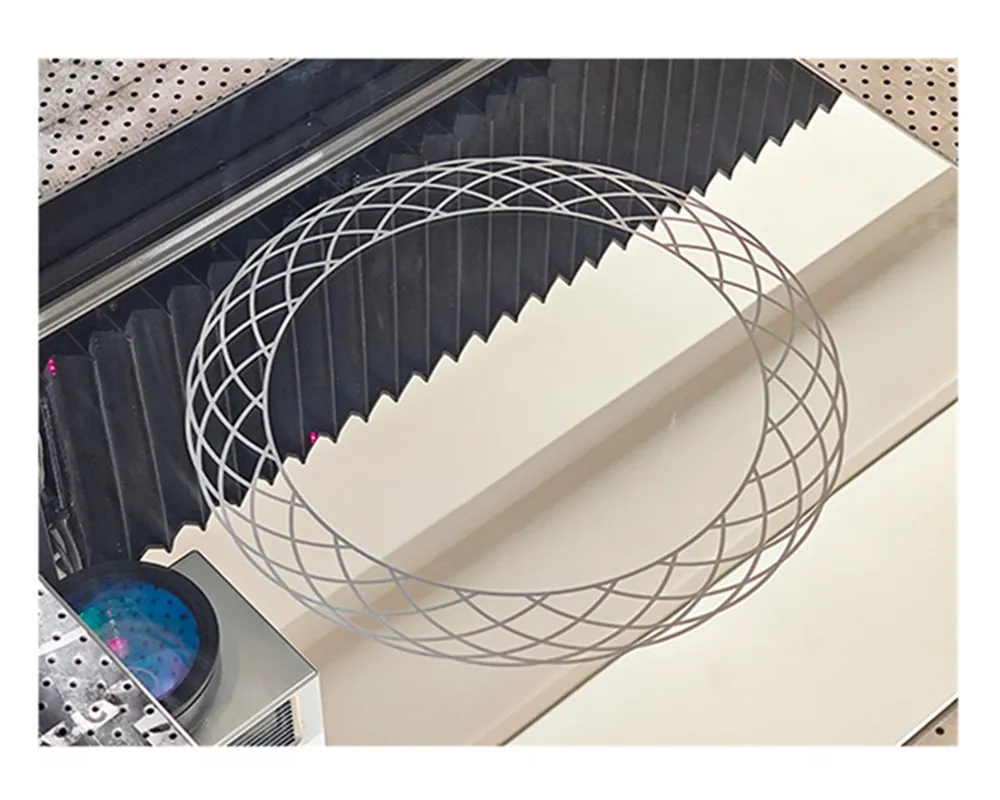
As laser processing moves toward higher precision and automation, laser control systems provide greater flexibility for complex processes. Through software-level parameter management and path planning, a good control system can adapt to a variety of materials, multiple processing depths, and different marking effect requirements. On the same piece of equipment, simply by switching process parameters, multiple processing needs such as shallow engraving and deep engraving can be achieved, significantly improving equipment utilization and production efficiency. This highly digitalized and configurable characteristic makes laser control systems an important component of modern intelligent manufacturing.
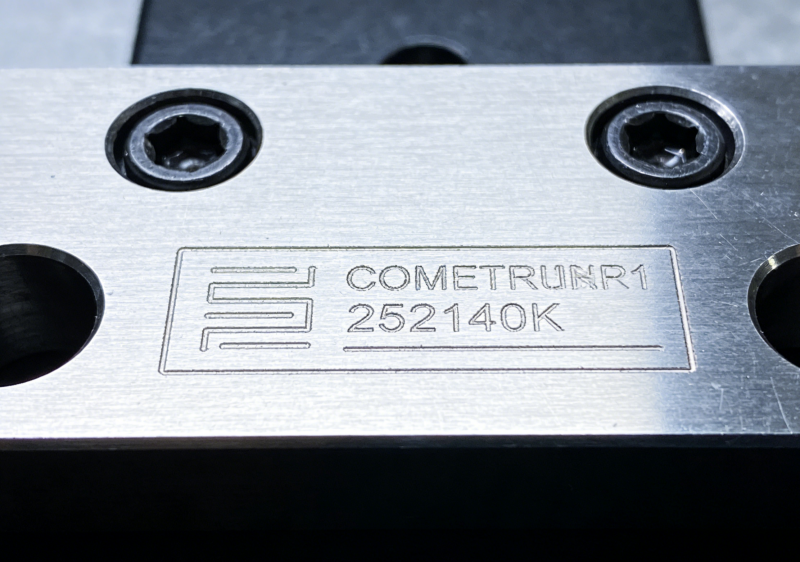
In continuous and large-scale industrial production environments, stability and repeatability are often more important. Laser control systems provide a fundamental guarantee for long-term stable operation through precise timing control and synchronization mechanisms, ensuring that laser output remains highly consistent with scanning motion and avoiding quality defects caused by timing errors or speed fluctuations. Automated production lines typically require long-term continuous operation, and in order to significantly reduce defect rates and improve overall production efficiency, a more mature and reliable laser control system is often required.
From an industry development perspective, laser control systems provide a key breakthrough for differentiated competition in laser equipment. As laser source performance gradually converges, the algorithmic capability, stability, and scalability of control systems are becoming important factors in evaluating the value of laser equipment. Especially in fields such as stainless steel laser engraving, medical device marking, and high-end component traceability, requirements for control systems have shifted from “usable” to “stable, controllable, and reproducible.”

In summary, the laser control system is a core component of laser processing equipment. The laser control system determines whether laser energy can be effectively utilized, and processing quality, production efficiency, and long-term operational reliability are also influenced by the laser control system. As market demand grows and laser processing application scenarios continue to expand, the importance of laser control systems has become increasingly prominent. Market demand and industry development are also driving laser manufacturing technology toward higher precision and higher stability.