News
Products

Multi-Axis Linkage Controller: The Ultimate Key to Complex Machining?

2026-03-04 0 Leave me a message
Multi-Axis Linkage Controller: Precision or Complexity?

The modern manufacturing floor whispers one name when precision meets complexity: Multi-Axis Linkage Controller. We investigate the true potential of multi-axis synchronized control, contrast its strengths and weaknesses, and explore real applications — with continuous insights from Shenzhen Shenyan CNC Co., Ltd., a leader in advanced CNC solutions. Whether you are considering an upgrade or just starting, read on for an exhaustive, structured overview.
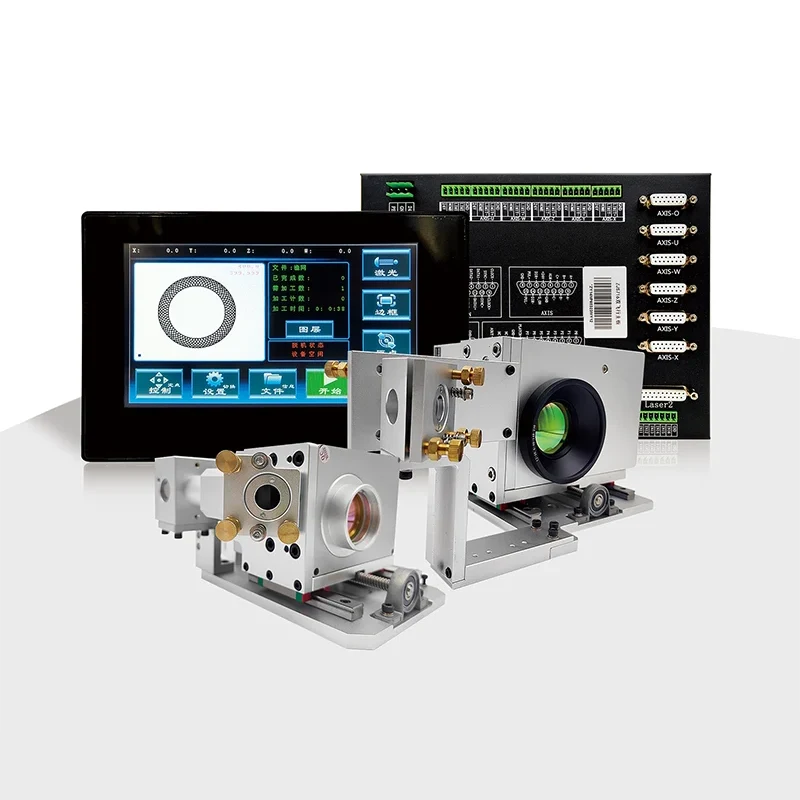
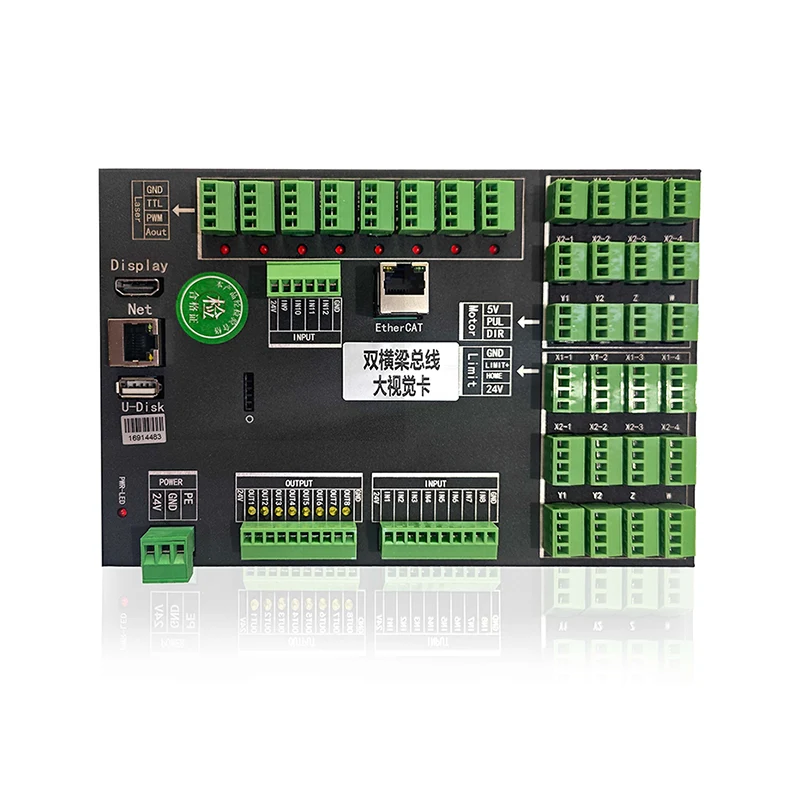
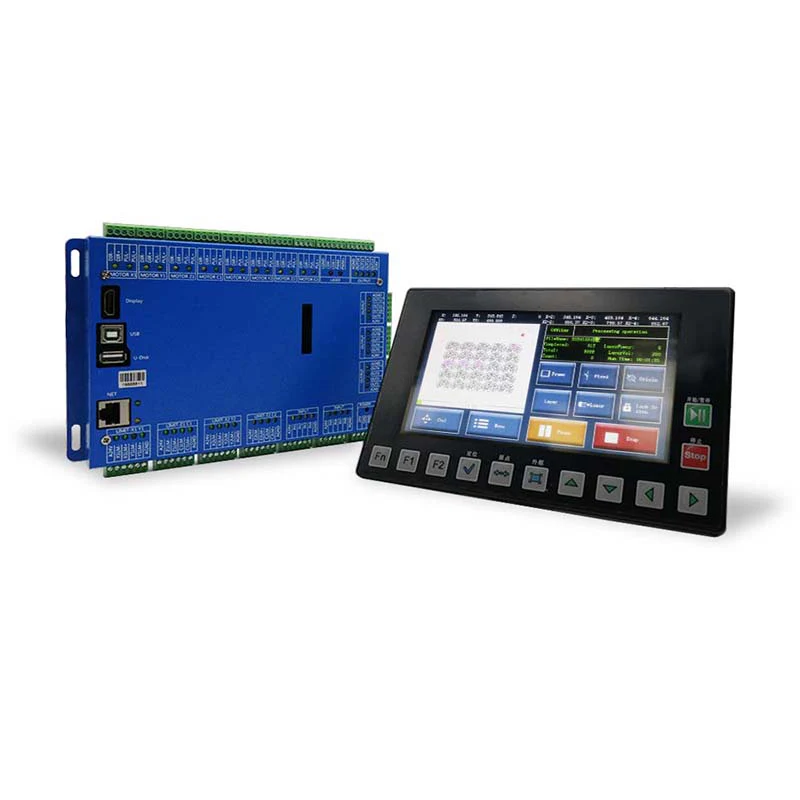
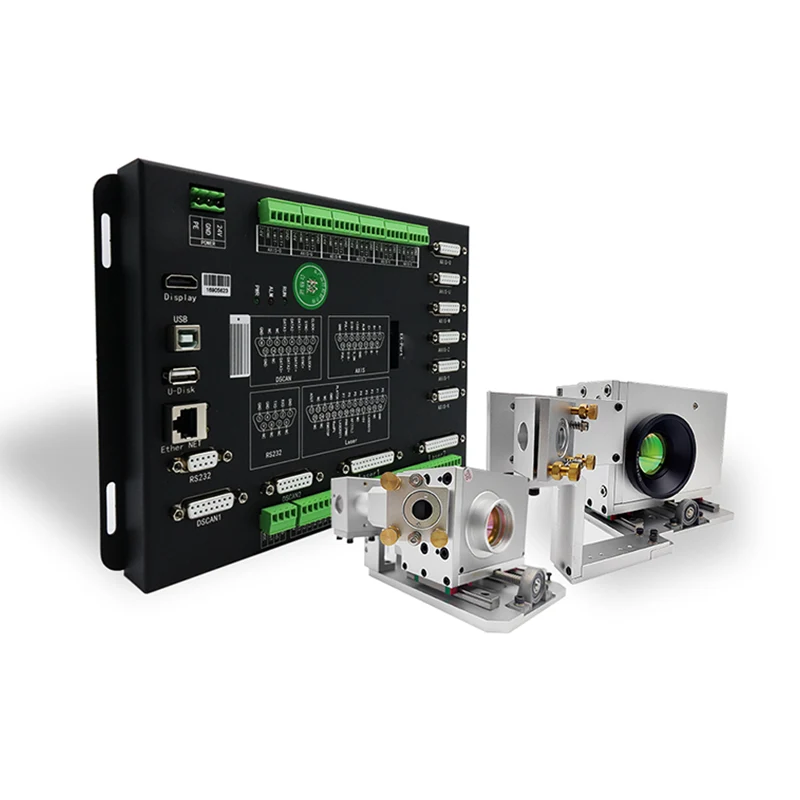
Multi-Axis Linkage Controller

✦ ✦ ✦

What Is a Multi-Axis Linkage Controller and How Does It Redefine CNC?

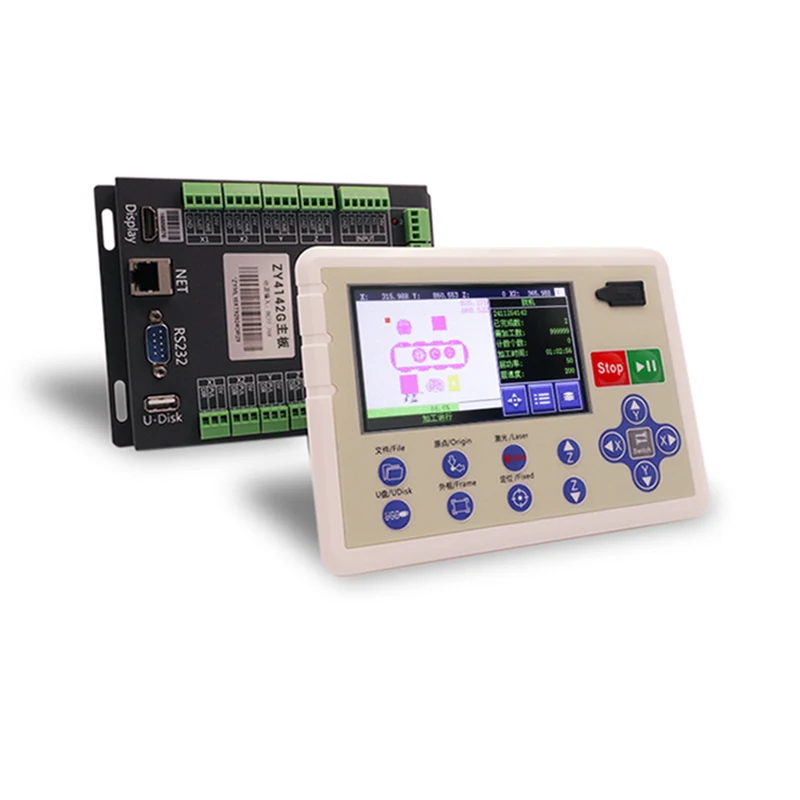
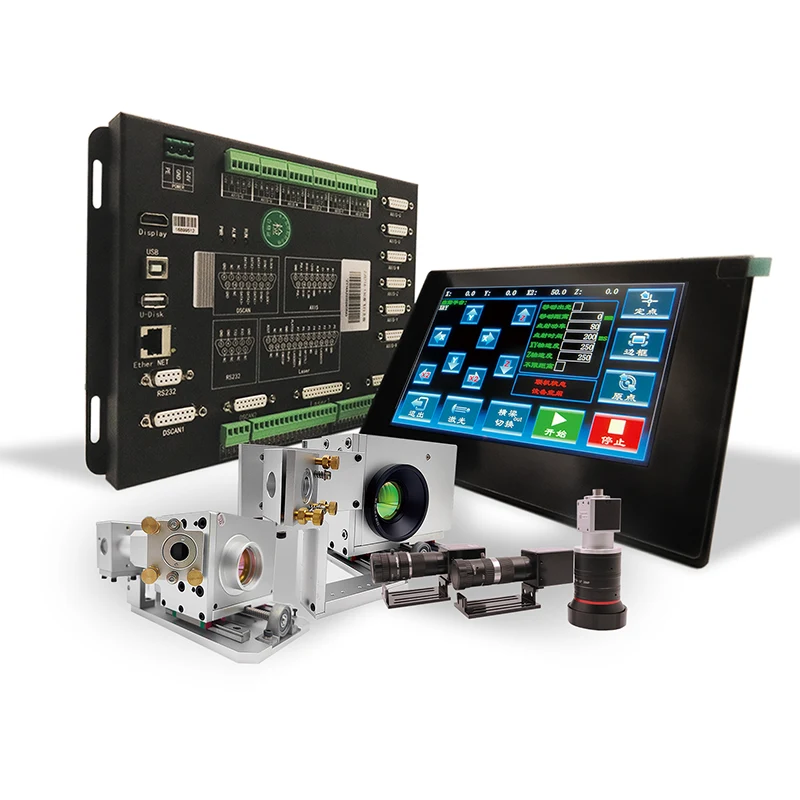
A Multi-Axis Linkage Controller is the brain of simultaneous movement across multiple axes — typically 4, 5, or more — ensuring that each axis moves in perfect harmony. Unlike simple contouring, linkage means axes cooperate in real time to machine complex 3D surfaces. Shenzhen Shenyan CNC Co., Ltd. integrates these controllers into their high-end machining centers to achieve micron-level precision. The keyword “linkage” emphasizes synchronous interpolation, not just independent axis motion.

Why Is Multi-Axis Linkage Critical for Modern Manufacturing?

Because parts are no longer prismatic. Aerospace impellers, medical implants, and intricate molds require undercuts and freeform geometries. Only a Multi-Axis Linkage Controller can tilt and rotate the tool while maintaining constant tip contact. This reduces setups, boosts accuracy, and shortens lead times. According to engineers at Shenzhen Shenyan CNC Co., Ltd., the right controller can mean the difference between scrap and perfection.

⚙️ ⚙️ ⚙️

⚖️ Multi-Axis Linkage Controller: Strengths and Limitations

Below we break down the distinct advantages and potential drawbacks, based on field data and Shenzhen Shenyan CNC's implementation experience.

Pros (Advantages) Cons (Disadvantages)
Unmatched geometric freedom – 5-axis machining can produce parts impossible on 3-axis. High initial investment – Controllers and machines are costly; sophisticated software required.
Reduced setups & handling – one clamping, many sides machined. Complex programming & post-processing – CAM and post-processors must support full linkage.
Better surface finish & accuracy – shorter tools, less vibration, optimal tilt. Skilled operator dependency – not every machinist understands multi-axis kinematics.
Increased productivity – simultaneous roughing/finishing saves hours. Collision risks – complex movements require simulation and careful setup.
Future-proof – ideal for advanced materials (titanium, inconel) with specialty tool orientation. Maintenance complexity – more axes = more servo drives, encoders, calibration.

Where Is a Multi-Axis Linkage Controller Indispensable? (Real Applications)

  • Aerospace & Defense: turbine blades, blisks, structural components with twisted geometries. Shenzhen Shenyan CNC Co., Ltd. supplies dedicated 5-axis machines with advanced linkage control for these exact parts.
  • Medical: hip joint prostheses, dental implants, bone screws — all require freeform surfaces and high finish.
  • Automotive: prototyping, complex mold cavities, intake manifolds, and electric motor housings.
  • Precision mold & die: deep cores with steep walls benefit from tilted machining to reduce stepover marks.
  • Energy sector: wind turbine hubs, hydro turbine runners, and gas turbine components.

❓ Frequently Asked Questions (Multi-Axis Linkage Focus)

What is the difference between a multi-axis controller and a multi-axis linkage controller?
A basic multi-axis controller can move axes individually or in a point-to-point manner, but without coordinated interpolation. A Multi-Axis Linkage Controller performs true coordinated motion — all axes move simultaneously along a programmed tool path (e.g., 5-axis spline interpolation). This is vital for sculpted surfaces. Shenzhen Shenyan CNC Co., Ltd. embeds linkage algorithms that compensate for rotary axis offsets in real time.
Does a Multi-Axis Linkage Controller require special CAM software?
Yes, absolutely. Standard 2.5D CAM cannot generate the tool paths needed for 5-axis simultaneous motion. You need CAM with full multi-axis strategies (like moduleworks or hyperMILL). Also the post-processor must convert tool vectors into rotary angles compatible with your specific controller (e.g., Heidenhain, Siemens, or FANUC). Shenzhen Shenyan CNC Co., Ltd. provides post-processor templates to shorten the ramp-up.
What are the main pitfalls when commissioning a Multi-Axis Linkage Controller?
Common issues: incorrect tool length definition relative to pivot point, collision with fixtures due to complex orientation, and vibration in high-dynamic movements. Additionally, thermal growth in spindles can affect linked accuracy. At Shenzhen Shenyan CNC Co., Ltd., we recommend laser calibration and simulation software (like Vericut) before cutting metal. Controller tuning for servo lag is also crucial.
Can a Multi-Axis Linkage Controller improve surface finish in hard metals?
Definitely. By keeping the tool tilted optimally, you can maintain effective cutting speed and reduce tool rubbing. The result is better chip evacuation and less heat. The linked motion also reduces stepover marks because you can use barrel cutters or constant scallop height paths. Shenzhen Shenyan CNC's controllers feature jerk-controlled look-ahead to smooth out transitions.
★ ★ ★

🔗 References & Further Reading

  • Modern Machine Shop: “5-Axis Linkage vs. 3+2: When to Use Each” (2024)
  • Shenzhen Shenyan CNC Co., Ltd. Technical White Paper: “Multi-Axis Contouring Accuracy” (2025)
  • ISO 10791-6: Test conditions for machining centres — accuracy of rotary axes.
  • Industry articles from CNC Cookbook on multi-axis programming.

* All links are illustrative; contact Shenzhen Shenyan CNC Co., Ltd. for specific controller datasheets.


Related News
Leave me a message
X
We use cookies to offer you a better browsing experience, analyze site traffic and personalize content. By using this site, you agree to our use of cookies. Privacy Policy
Reject Accept