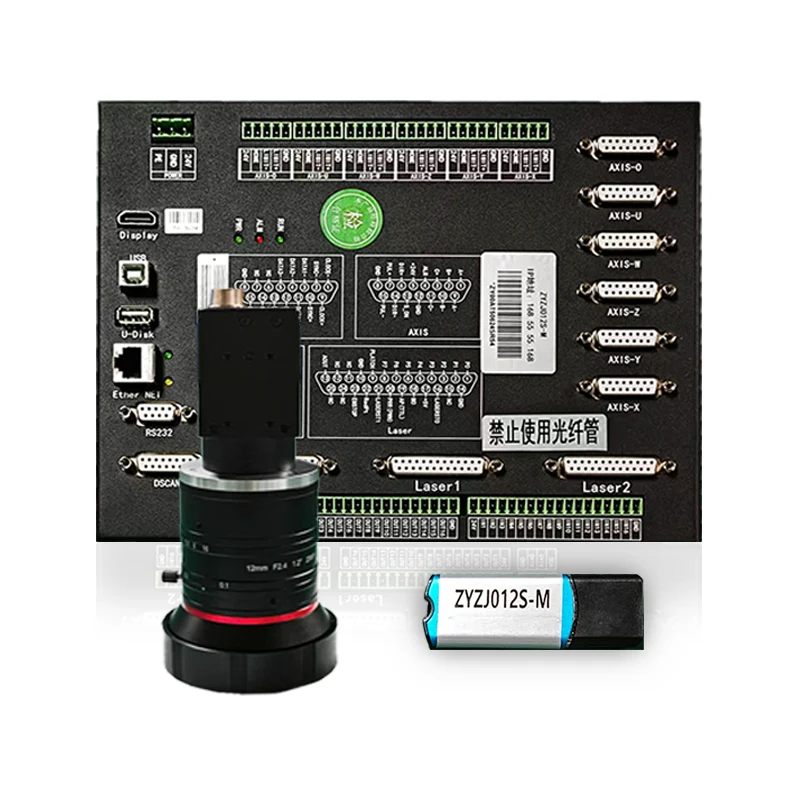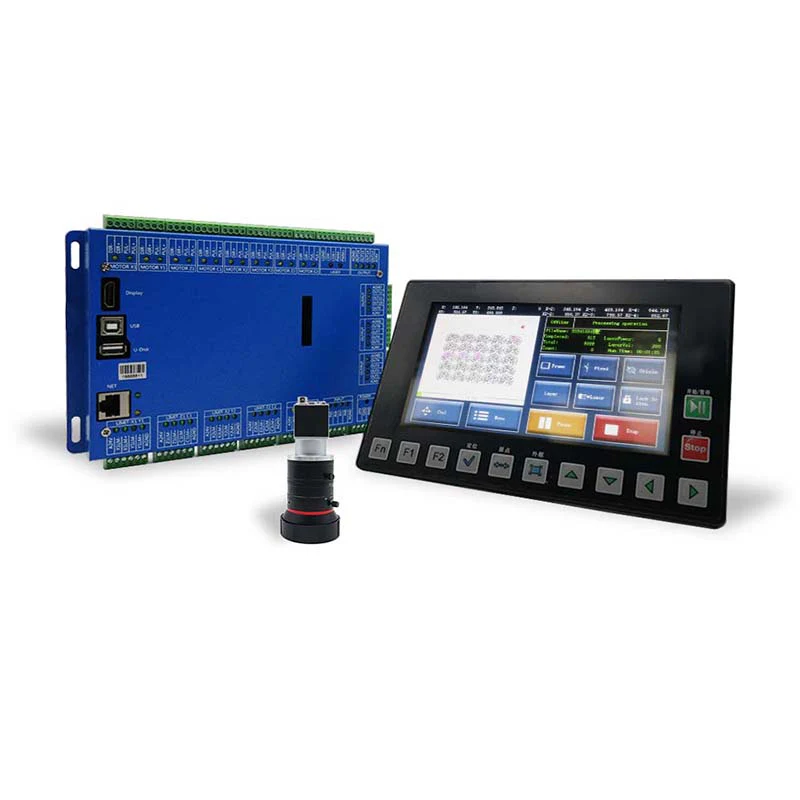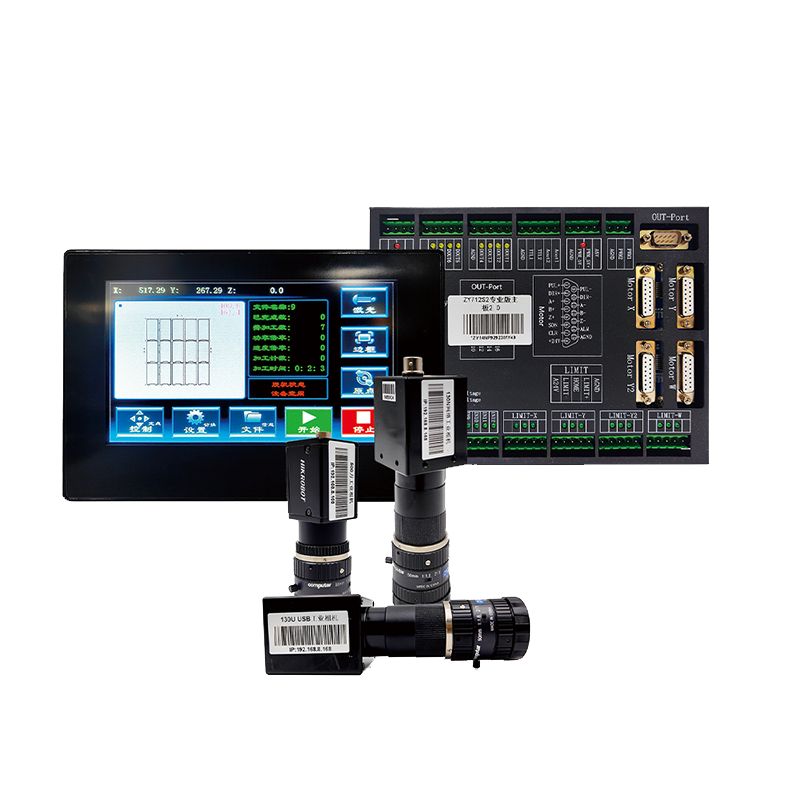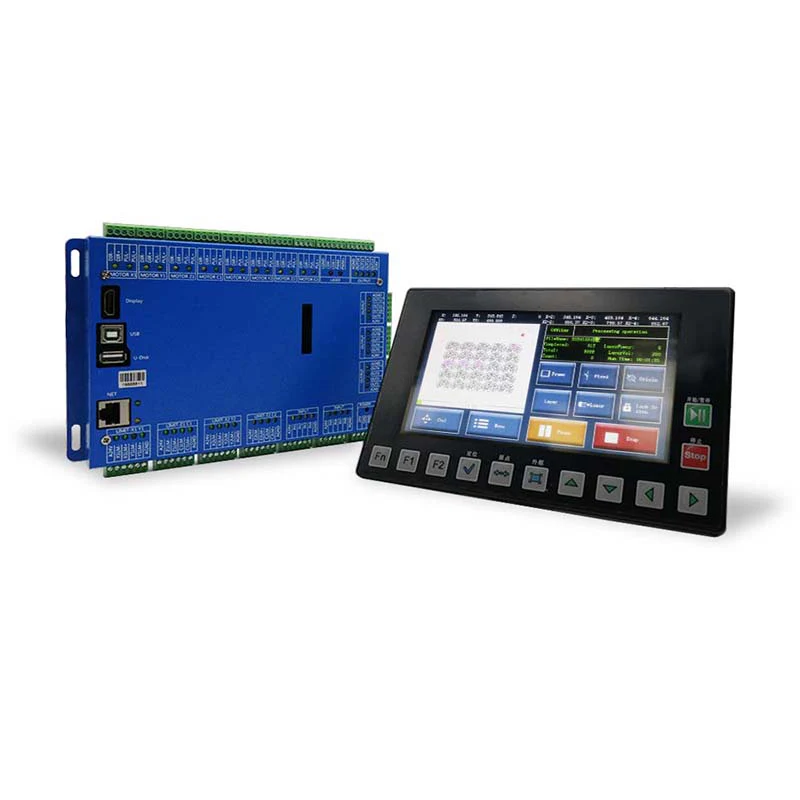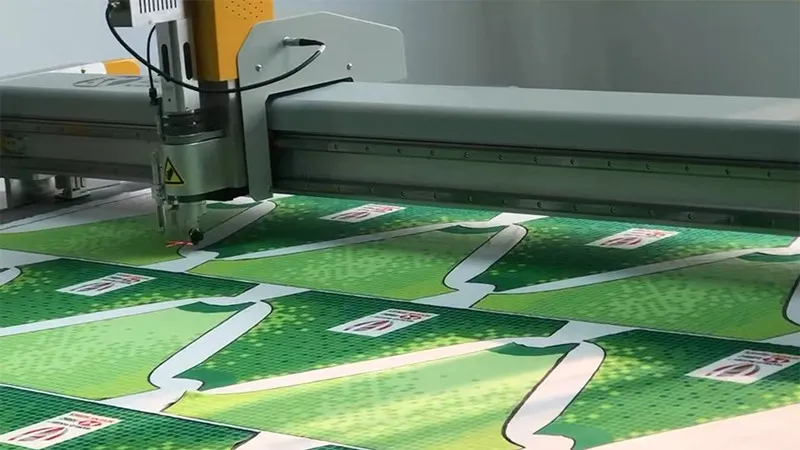
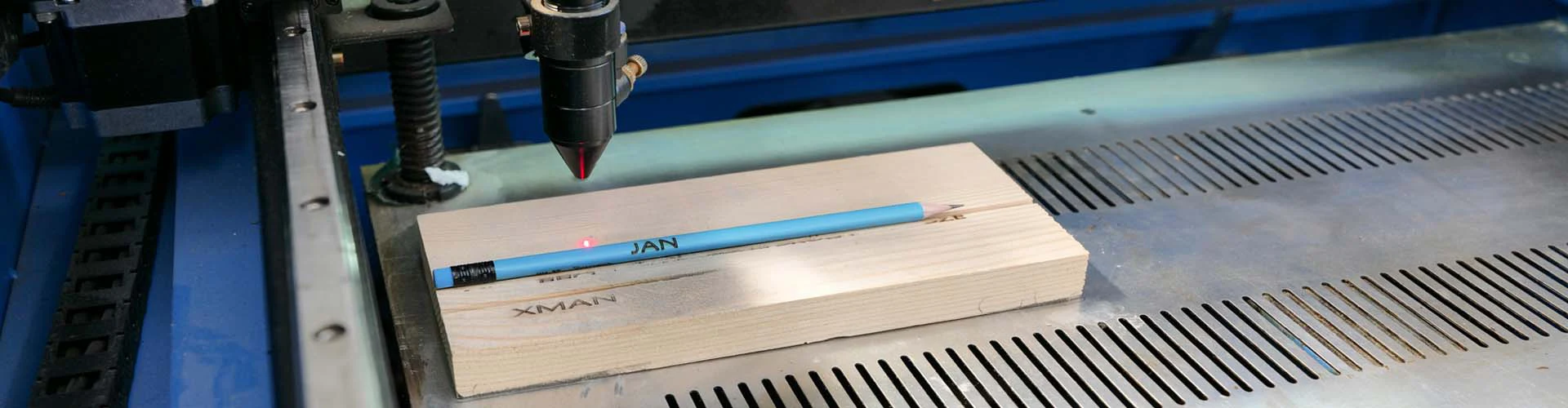
With the widespread adoption of mobile devices such as smartphones, tablets, and laptops, users’ demand for personal privacy protection is increasing. As a functional film material that effectively protects screen information from being viewed by others, privacy screen protectors continue to experience growing market demand. However, the precision cutting of privacy films places extremely high requirements on processing equipment. Traditional mechanical cutting methods, when dealing with precision optical film materials such as privacy films, often struggle to meet the requirements for high precision and damage-free processing. Since the introduction of laser cutting technology, especially laser processing equipment equipped with advanced laser controllers, the way privacy films are cut has become different from the past, and both processing efficiency and product quality have been greatly improved.
Structure Characteristics and Cutting Difficulties of Privacy Films
When mechanical tools are used to cut privacy films, mechanical stress can easily cause cracks or deformation in the finished product, affecting final product delivery or privacy performance. At the same time, mechanical stress can also cause burrs, delamination, and other issues at the film edges, affecting appearance and even causing layer separation during use. In addition, customized production requirements for different device sizes require frequent mold changes in mechanical cutting, resulting in low production efficiency and high changeover costs.
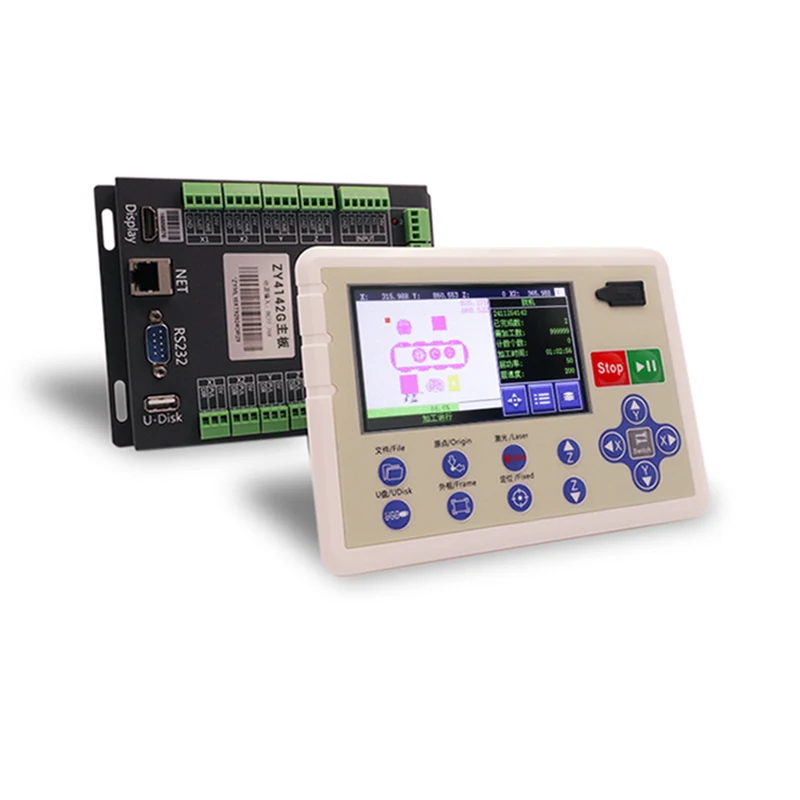
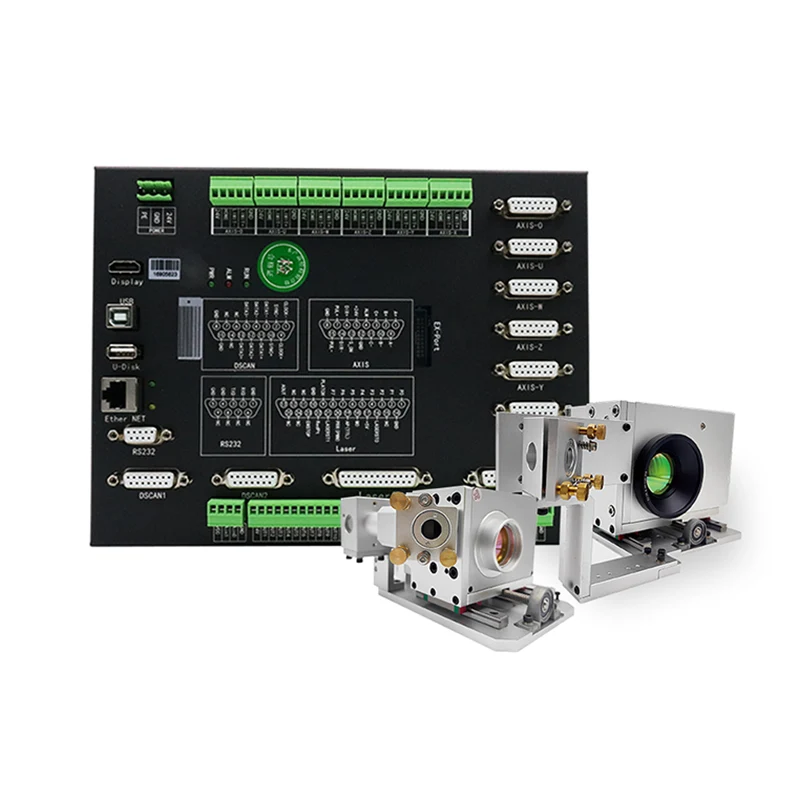
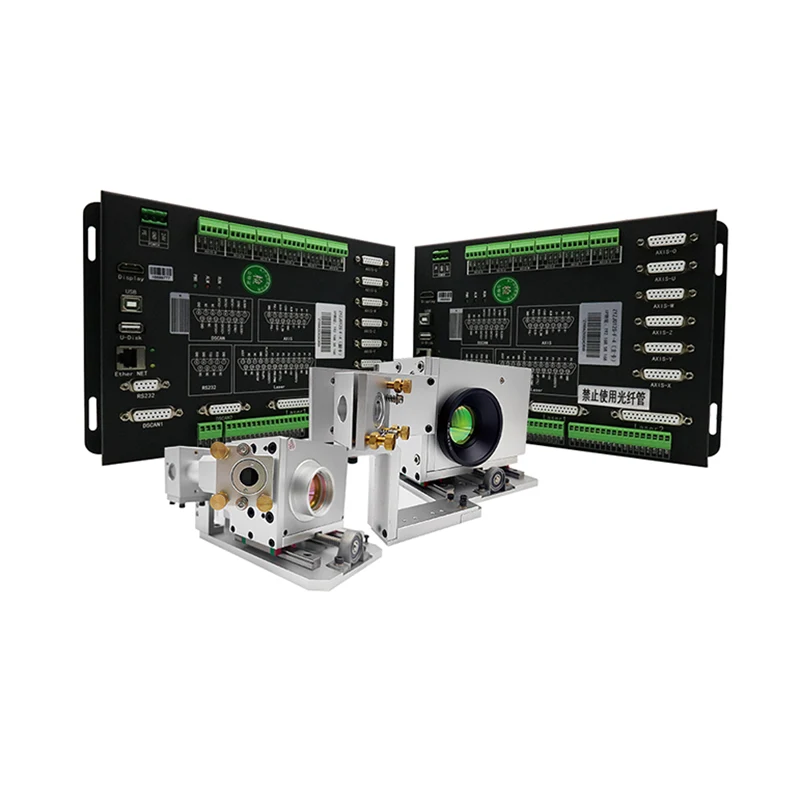
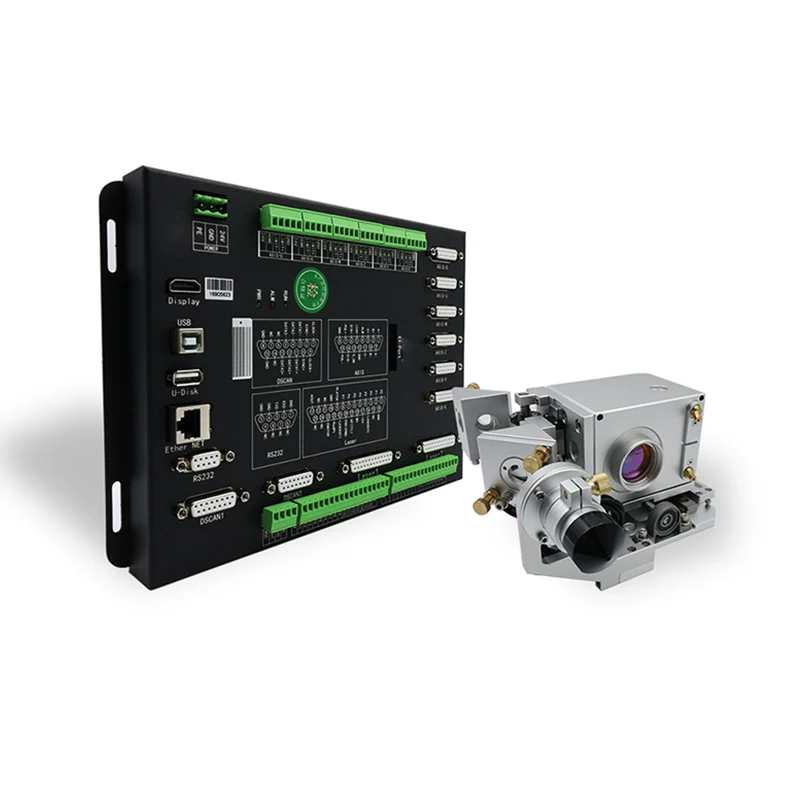
Laser cutting, due to its non-contact processing nature, can avoid some of the defects of mechanical processing. In the entire laser cutting process, the laser controller is the core unit, directly determining the precision of laser energy output and the stability of the processing process, and is a key component indispensable for achieving high-quality privacy film cutting.
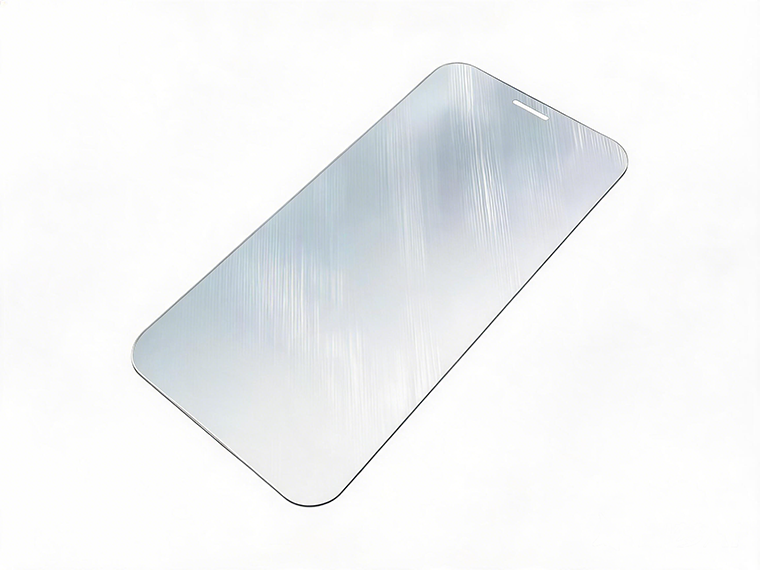
Core Role of the Laser Controller in Privacy Film Cutting: Precise Power Modulation to Protect Film Layer Structure
The multi layer composite structure of privacy films is extremely sensitive to laser energy density. Excessive energy leads to carbonization, while insufficient energy or inability to cut through may occur. A high-performance laser control system can effectively avoid these issues. A high-performance laser control system can achieve real-time modulation of laser power, automatically adjusting energy output at key processing positions such as the start point, end point, and corners of the cutting path, ensuring consistency of energy distribution across the entire cutting line.
Achieving Irregular Shape Cutting
The rise of new form-factor products such as wearable devices and foldable smartphones has gradually shifted privacy film shapes from simple rectangles to rounded rectangles, ovals, and even more complex irregular geometries. This places higher demands on the trajectory control accuracy of cutting equipment.
An excellent laser control card can achieve high-precision irregular shape cutting over large working areas, producing smooth, continuous edges without stepping effects, meeting the stringent shape accuracy requirements of high-end consumer electronic products for privacy films.
Ensuring Stable Production
In large-scale continuous production processes, stability is critical for batch processing. The cutting quality of every single product must remain highly consistent. Any batch-level quality fluctuation may lead to batch scrapping, which not only results in loss of order profit but also reduces customer trust and creates potential risks for future orders. Ensuring long-term continuous production stability is an essential capability of a high-performance laser controller.
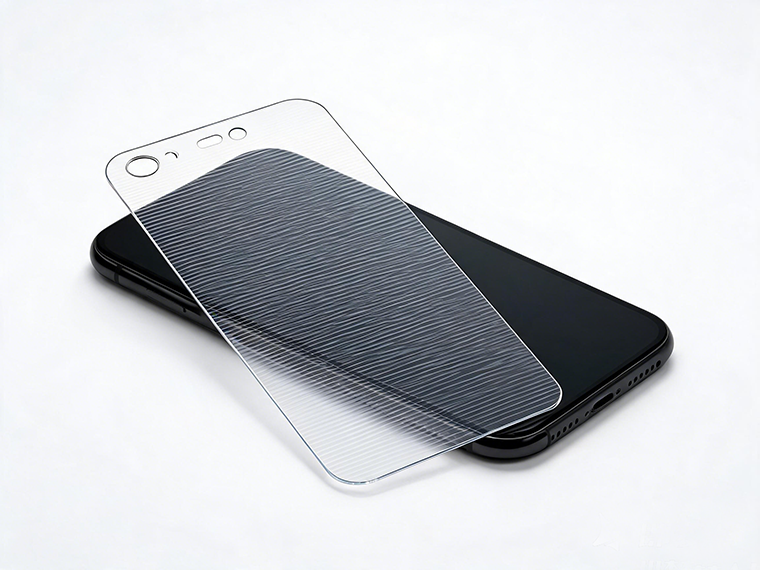
Applications in Real Production Scenarios
In professional privacy film customization factories, laser cutting workstations are typically the core link of the entire production line. Throughout the production line, no mechanical molds are required, and switching between different product models and sizes only requires calling the corresponding program in the control system, significantly reducing changeover time. This feature is highly valuable for privacy film manufacturers supplying multiple brands and multiple device models simultaneously, directly improving factory responsiveness.
In addition to mass production, laser cutting systems driven by laser control card also demonstrate irreplaceable advantages in sample prototyping. When R&D engineers verify parameters such as privacy viewing angles and film thickness for new products, they often need to quickly cut small batches of samples for testing.
Traditional mold development has long cycles and high costs, making it difficult to support frequent design iterations. Laser cutting systems, however, only require modification of the control program to immediately output new sample dimensions, truly enabling “modify and use immediately” agile prototyping capability, greatly accelerating product development and validation cycles and helping manufacturers seize market opportunities.
Some high-end consumer electronics brands impose special functional requirements on privacy films, such as retaining a wider viewing angle in specific areas (such as camera regions) or performing localized thinning of film materials. These differentiated processing requirements can be achieved through laser cutting systems combined with precise laser control system parameter settings, enabling region-based energy control and multiple processing effects on the same film, meeting customized requirements from brand owners.
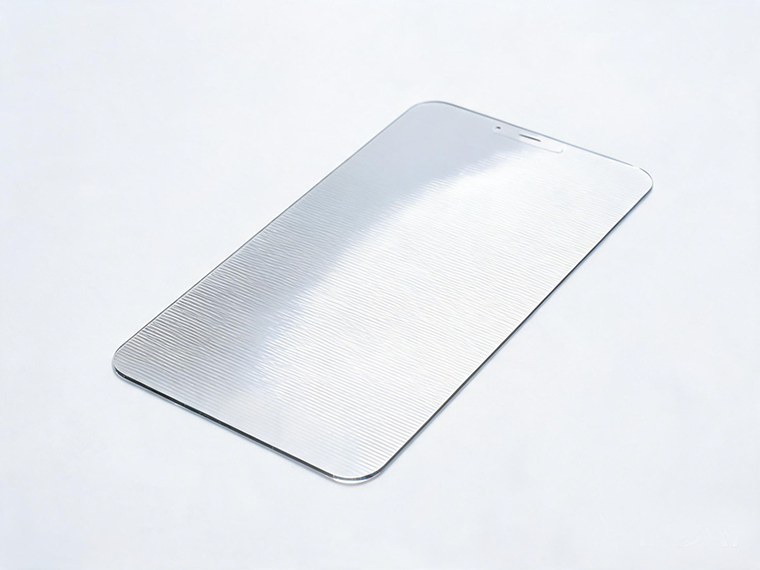
Why Choosing a High-Quality Laser System Is Critical
Privacy films are optical-grade precision film materials with relatively high raw material costs. Any defective product generated during cutting represents direct material loss. A high-quality laser system equipped with a high-performance laser controller can maintain extremely high yield rates through stable and precise control capabilities, effectively reducing scrap rates. In the long run, this is a key investment for reducing overall production costs.
In the highly competitive privacy film market, cutting edge quality is an important factor distinguishing high-end and low-end products. Consumers’ perception of edge neatness and cut smoothness during application directly affects brand image. High-quality laser systems produce smooth, burr-free, non-yellowed, and non-delaminated cutting edges, providing higher product quality perception and supporting higher market pricing.