What is glass sandblasting?
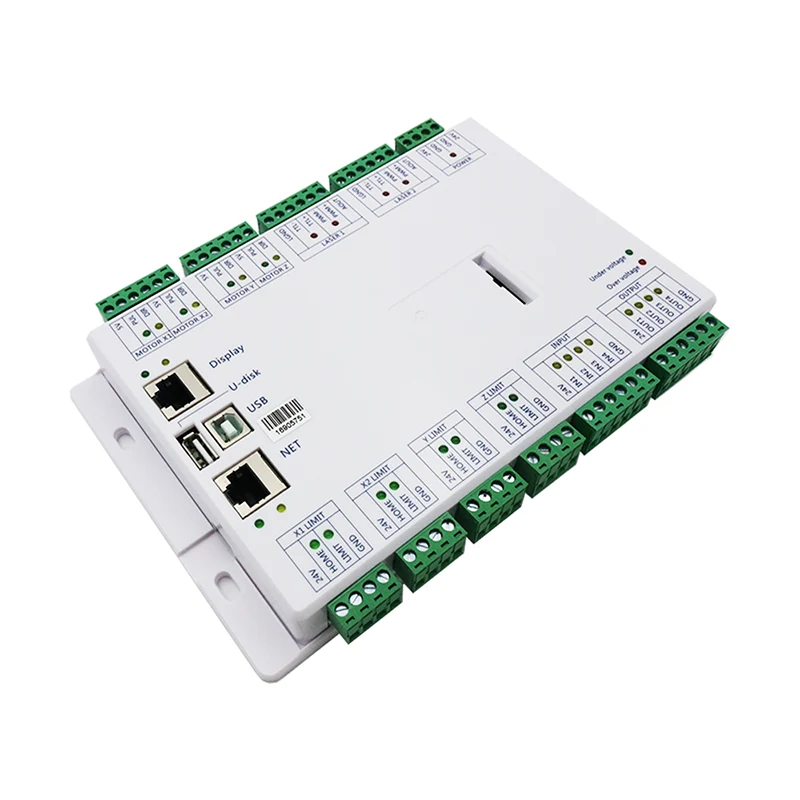
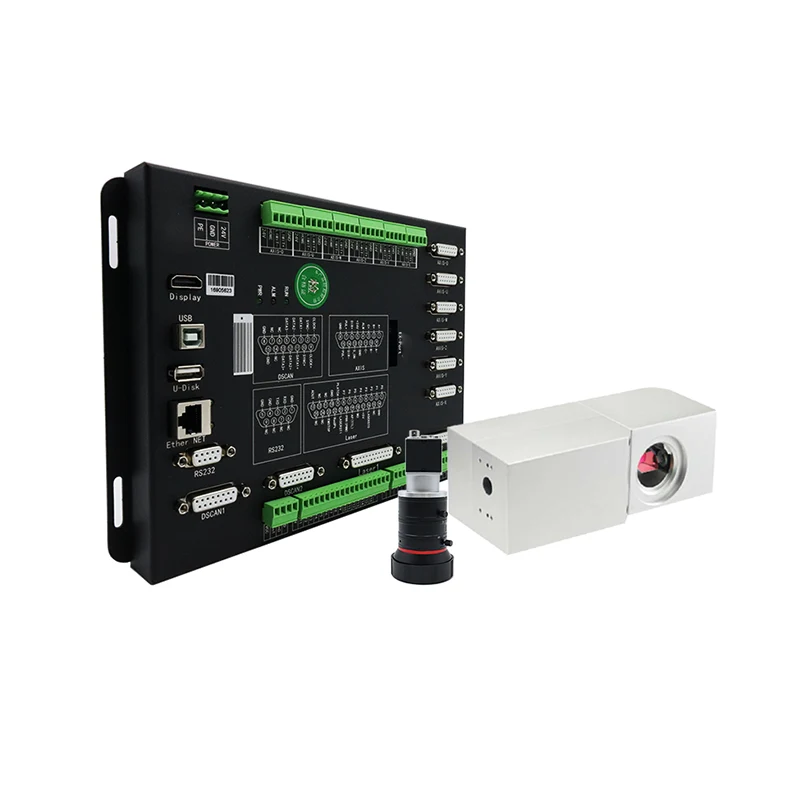
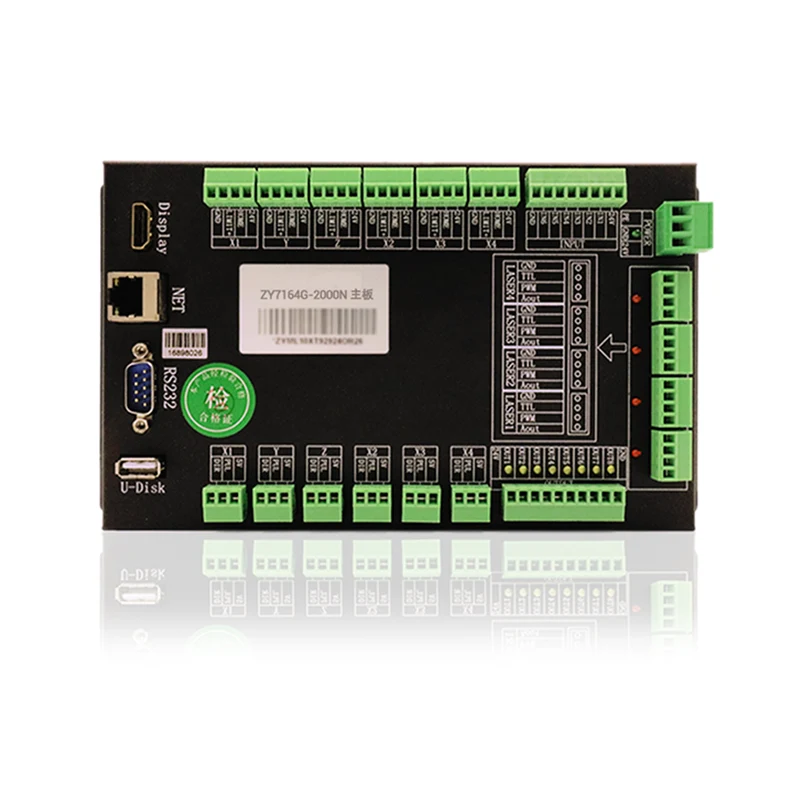
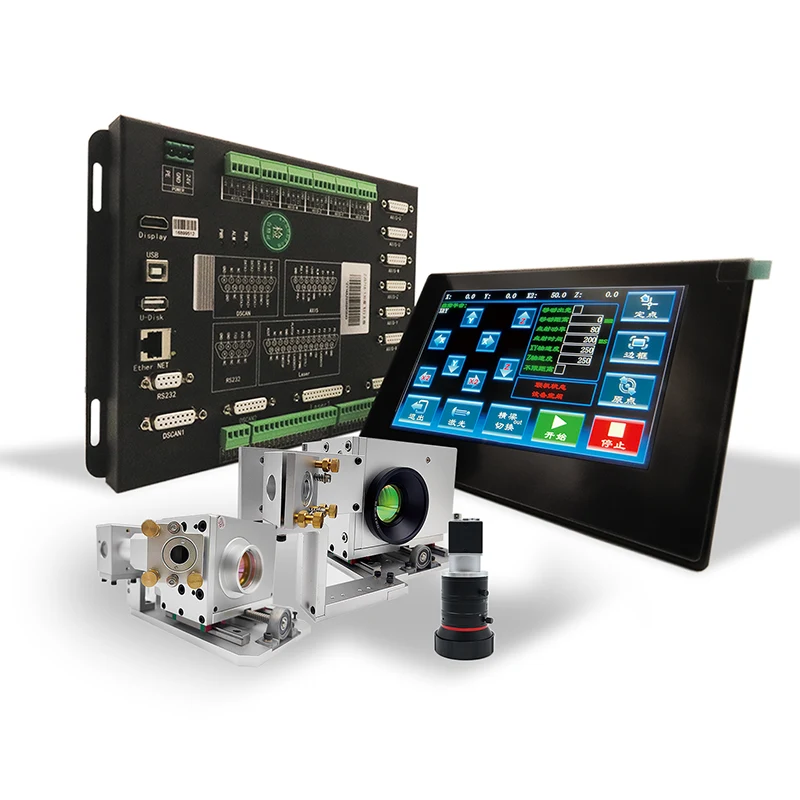
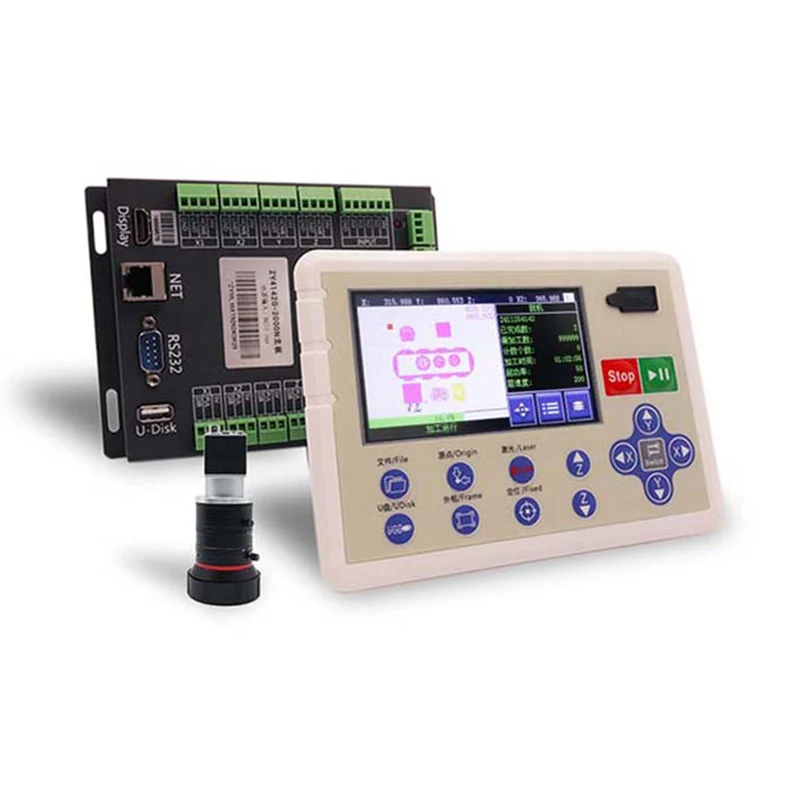
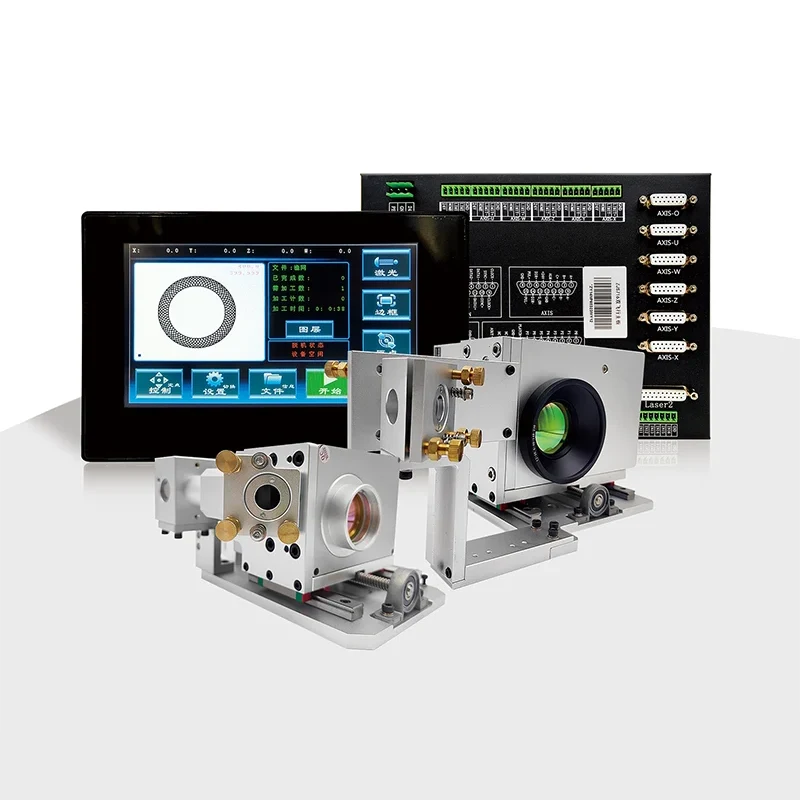
Glass sandblasting is a process for frosting (atomizing) the glass surface. The processing methods are generally divided into traditional physical methods or laser methods. Traditional sandblasting processes rely on high-pressure gas to spray abrasive particles onto the glass surface, forming a uniform frosted effect. Due to continuous innovation in laser technology, in some processing fields, laser sandblasting has gradually become a more precise and more flexible alternative solution. In laser sandblasting, the laser control system plays a core role. Processing efficiency, processing precision, and the final product performance are all closely related to the laser control system.
Practical application scenarios of laser control systems in glass sandblasting
Architectural decorative glass
In modern architecture, frosted glass is widely used in partition walls, bathroom spaces, office glass doors, and exterior facade decoration. Designers often need to present gradient transparency, specific patterns, or corporate logos on the same piece of glass, which places extremely high requirements on processing precision. The laser controller can precisely control the motion trajectory and energy output of the laser head according to pre-set digital drawings, so that the glass surface forms frosted effects of different depths in designated areas. This capability makes personalized customization of architectural decorative glass possible. Whether it is artistic glass curtain walls of large commercial complexes or customized bathroom doors in private villas, the laser controller can accurately reproduce design drawings onto the glass.

Home and artistic glass
The rise of the custom home furnishing market has driven continuous growth in demand for artistic glass. Table glass surfaces, cabinet glass doors, shower room partitions, artistic installations… these products not only need to meet functional frosting and privacy requirements, but also need to present artistic patterns and textures. The introduction of the laser controller enables complex floral patterns, geometric textures, calligraphy characters, and even photo-level images to be “engraved” onto glass. Designers only need to provide high-resolution graphic files, and the laser control card can convert them into continuous processing paths, reproducing fine visual layers on the glass surface.
Why choosing a good laser control system is crucial
Precision determines the upper limit of product quality
Glass is a highly transparent material, and any subtle uneven treatment on its surface will be magnified when light passes through it. The core value of an excellent laser control card is first reflected in the precision of motion control. The system needs to coordinate in real time the position, speed, and laser power of the laser head during high-speed scanning, ensuring that whether it is a straight edge or a complex curve, the energy deposition point highly matches the design intent. When processing gradient effects, the system’s ability to finely adjust laser pulse frequency and energy directly determines whether the gradient transition is natural and smooth, rather than showing obvious layered steps.

Stability ensures consistency in mass production
For glass processing enterprises, the success of a single product is not enough—what is truly valuable is that every batch and every product maintains highly consistent quality performance. The stability of the laser control board is reflected in its ability to maintain all parameters during long-term continuous operation. Temperature changes, mechanical vibration, power fluctuations… these environmental disturbances in production may cause parameter drift in inferior control systems, resulting in color differences, uneven depth, or blurred edges in the same batch of products. Excellent laser control systems have built-in compensation mechanisms and real-time monitoring modules, which can automatically identify and correct the above disturbances, ensuring quality stability during 24/7 production line operation.
Flexibility to meet diversified product requirements
The glass sandblasting market has highly diversified demands, ranging from simple single-color frosting to complex multi-layer patterns, from small-batch customization to large-scale mass production. Different orders place completely different requirements on the system. An excellent laser control board should have an open parameter configuration interface and rich graphic import capabilities, allowing operators to quickly respond to different orders without relying on professional engineers for cumbersome reprogramming. At the same time, the system’s adaptability to different types of glass (tempered glass, laminated glass, ultra-clear glass, coated glass) is also an important dimension for evaluating its flexibility.

Safety protects equipment and operators
Laser processing involves high-energy beams, and safety hazards such as glass fragment splashing, laser reflection, and heat accumulation objectively exist. High-quality laser control systems are equipped with complete safety interlock mechanisms—when abnormal conditions are detected, the system can quickly reduce power or perform emergency shutdown to prevent accidents from escalating. In addition, precise control of laser power can effectively prevent glass cracking or equipment damage caused by energy overload, reducing production losses and protecting equipment assets.
Glass sandblasting may seem like a simple surface treatment process, but it actually involves the intersection of multiple technical fields such as optics, materials science, motion control, and thermodynamics. The laser control system, as the “nerve center” of the entire processing system, directly defines the quality ceiling of the final product. From architectural decoration to consumer electronics, from the automotive industry to artistic customization, every application scenario is demanding higher performance from laser control systems. Choosing a truly excellent laser control system is not only an investment in current production efficiency, but also a strategic layout for future product competitiveness.