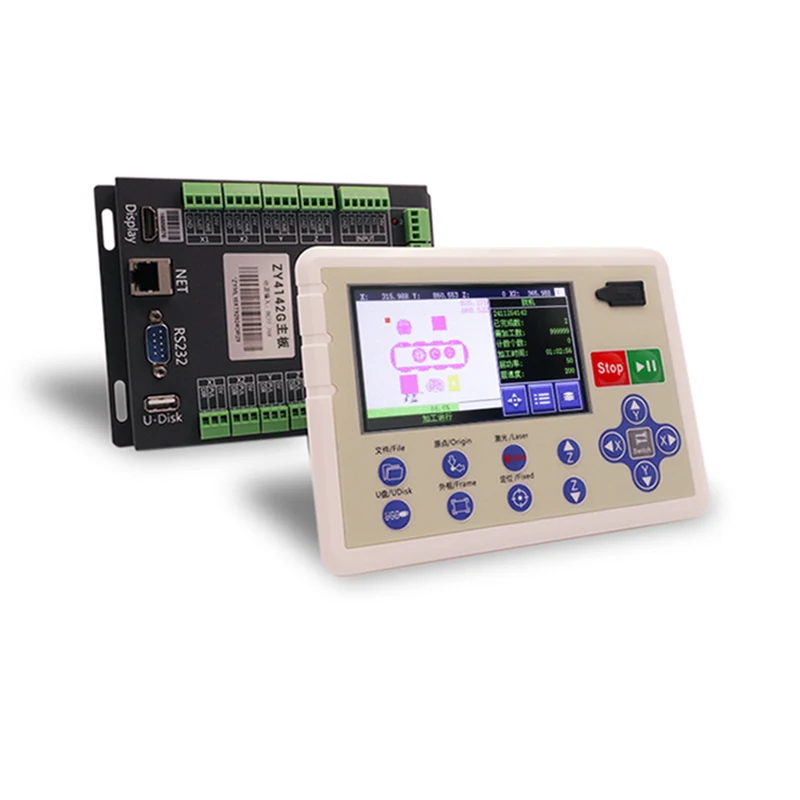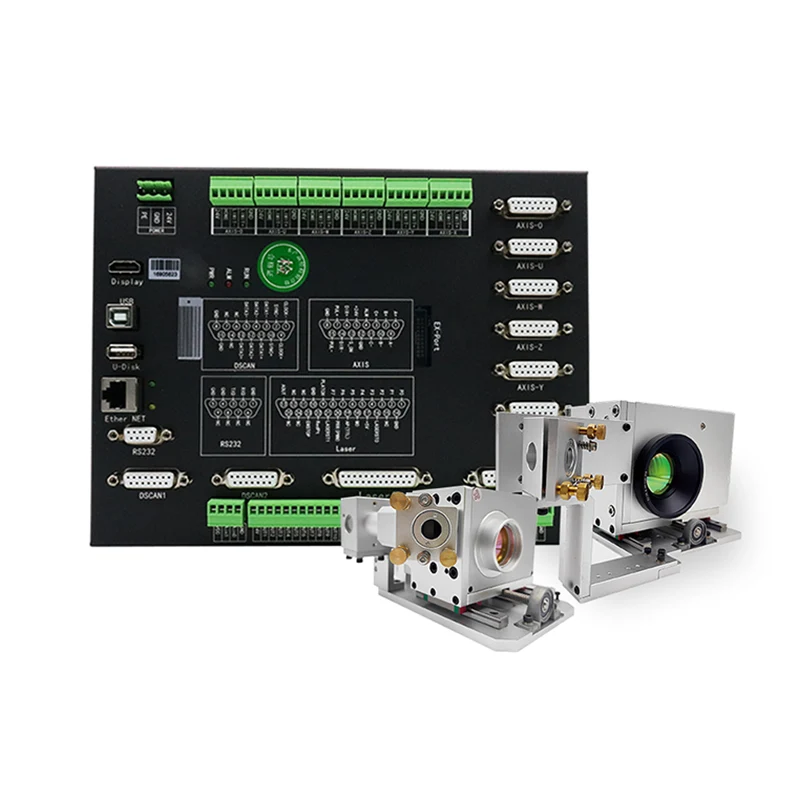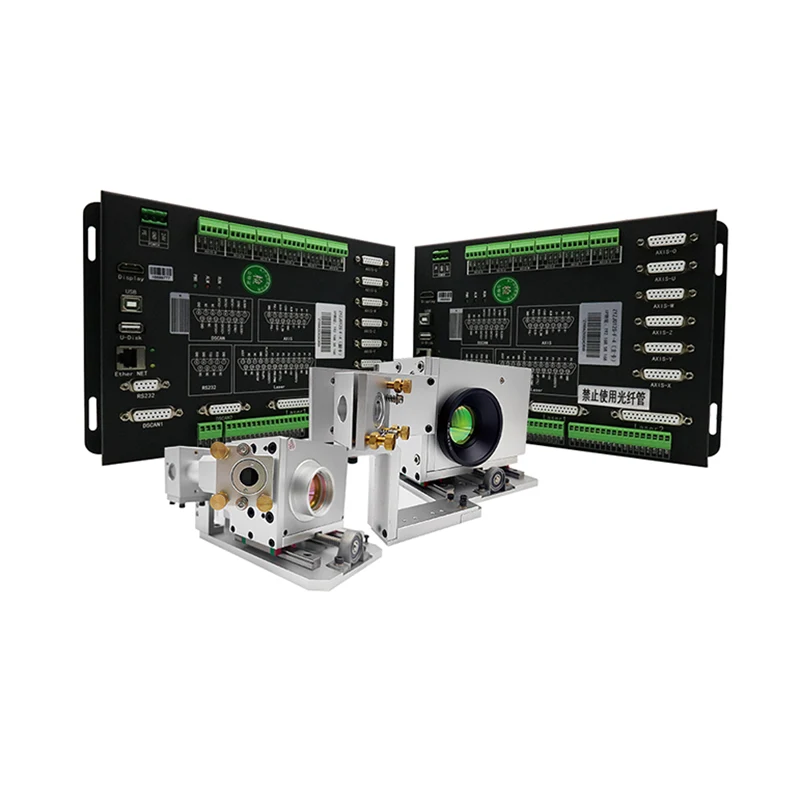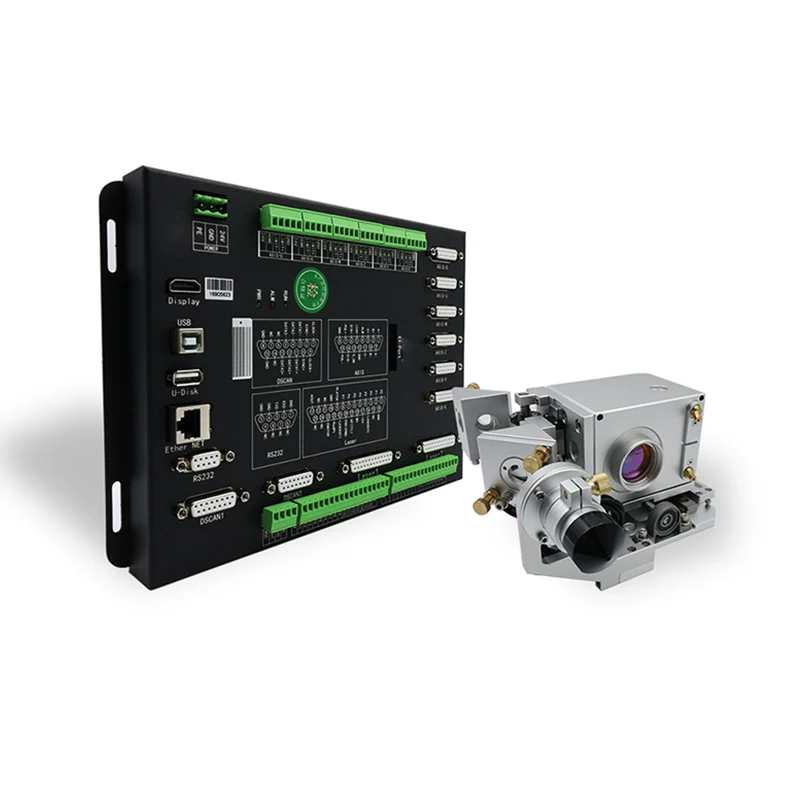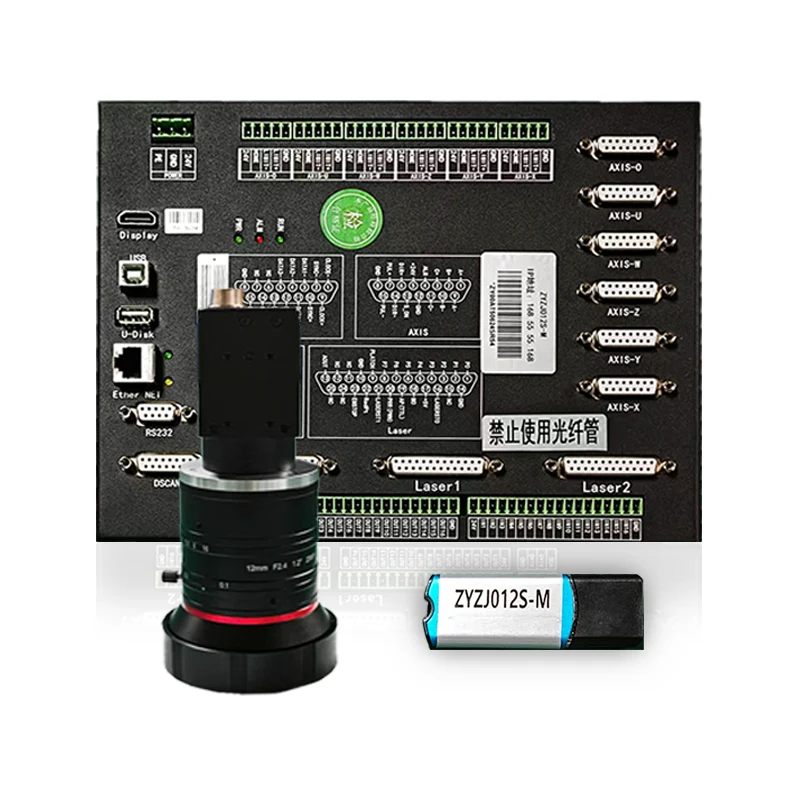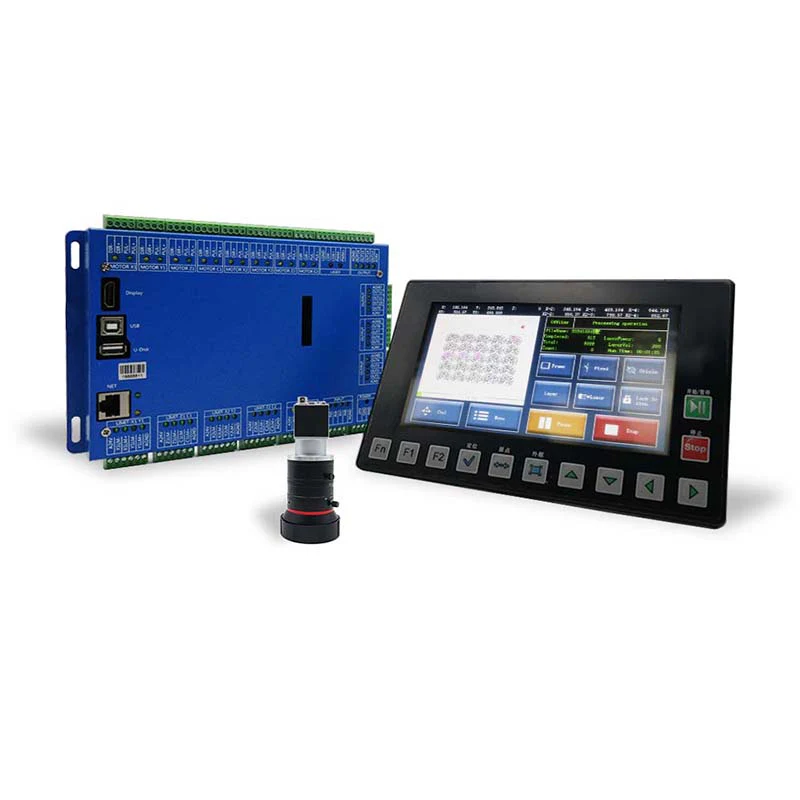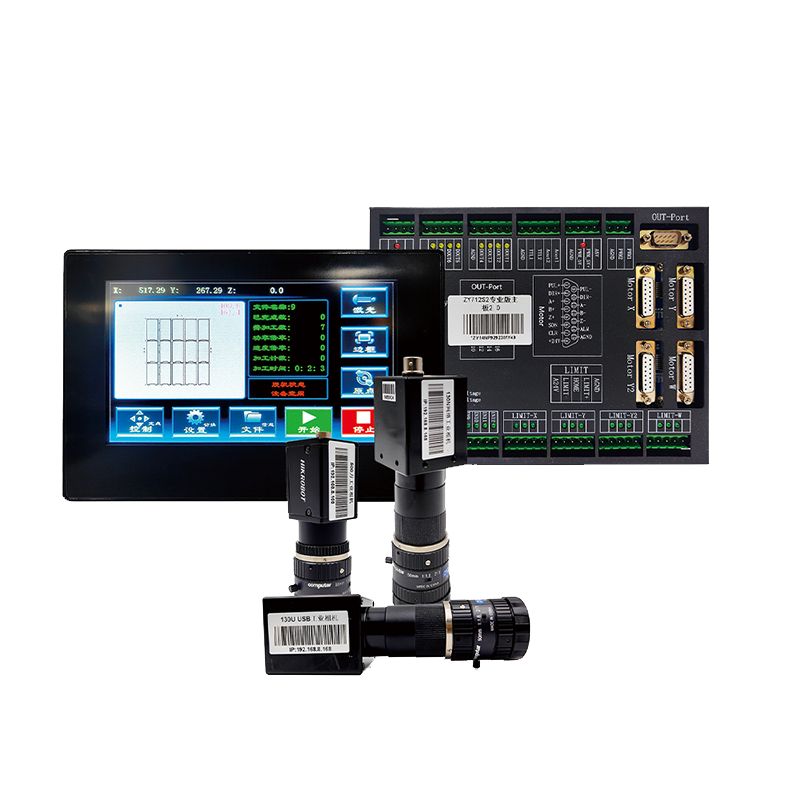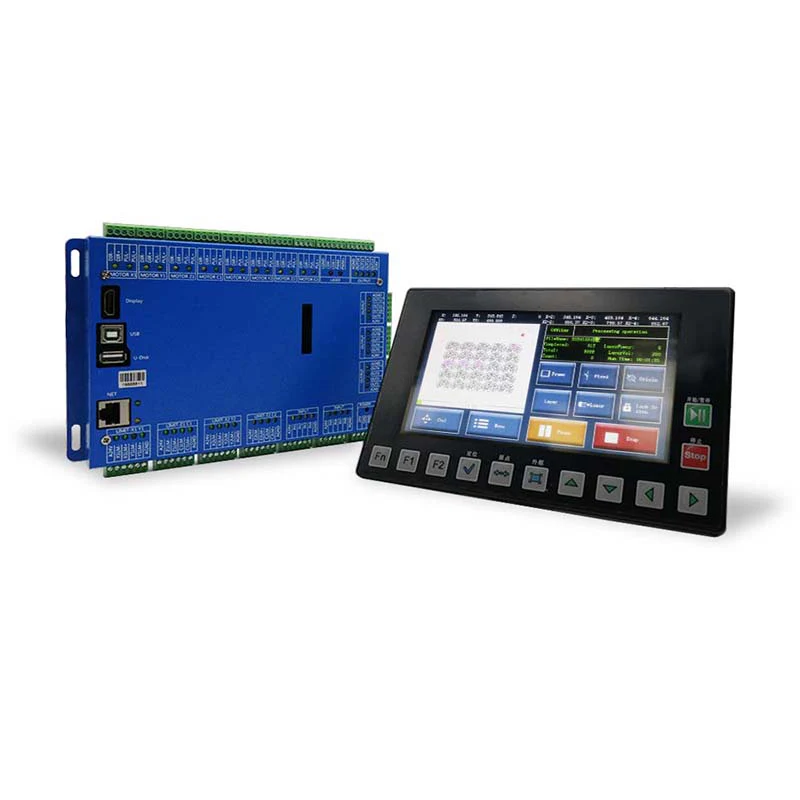
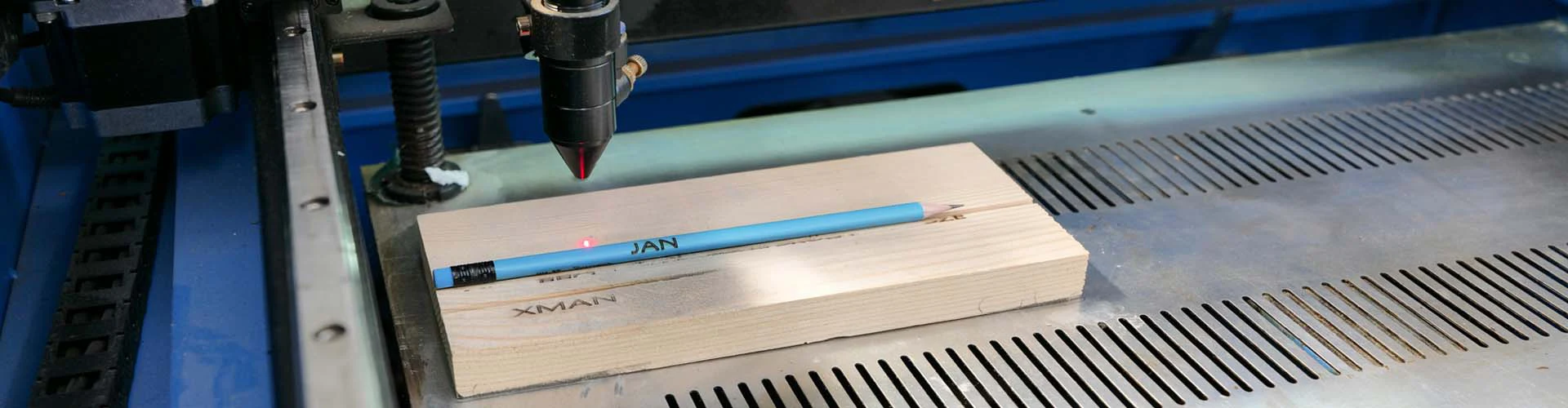
When someone decides to purchase a laser engraving machine, the first thing that usually comes to mind is the appealing finished products: precise patterns on wooden photo frames, clearly engraved initials on leather wallets, and the soft glow shining through acrylic light signs. However, after actually using the machine, many people gradually realize that what determines how far the machine can go is not the power of the laser tube or the precision of the guide rails, but the often-overlooked laser controller.
Wood: The Most Common Starting Point, and Also One of the Most Demanding Materials
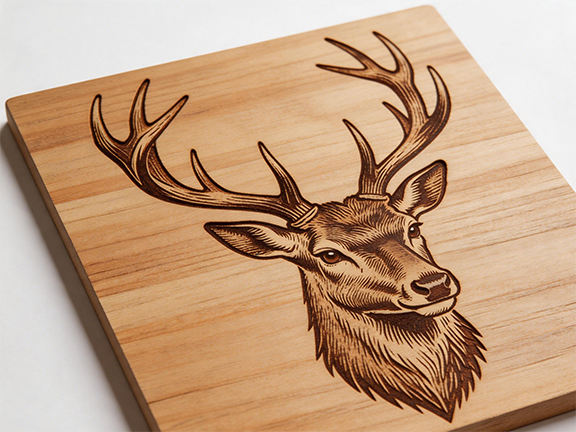
Wood is the first material most laser engraving machine users encounter. Basswood sheets, walnut, birch plywood, and pine are stable in supply, affordable in cost, and produce finished products with a direct and appealing texture, making them highly popular among craft enthusiasts and small-scale entrepreneurs.
The range of things that can be made with wood is far broader than many people imagine. Personalized gifts are the most common direction: engraved names for birthdays and anniversaries, wooden name tags for wedding invitations, employee awards for corporate annual events. These products have large demand, relatively low unit prices, but very strong repeat purchase potential. Home décor also has a stable market, including wooden city maps, hollow partition screens, and solid wood desk calendar bases. These products all have steady audiences on e-commerce platforms and offline craft markets.
Acrylic: Low Cost, High Margin, and the Most Suitable Material for Individual Entrepreneurship
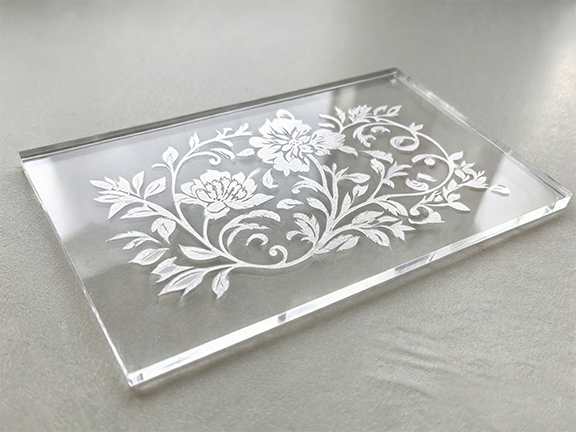
If wood is the starting point, acrylic is almost one of the most efficient materials for personal laser engraving monetization. The raw material cost of acrylic is low, but the value-added potential after processing is considerable. A transparent acrylic sheet costing less than twenty dollars can become an LED base night light selling for over one hundred dollars after laser cutting and engraving. Colored acrylic sheets of the same size, once cut into hollow pendants or earrings, often achieve surprisingly high prices at handmade markets.
Acrylic is extremely sensitive to processing precision. Whether the cut edges are smooth and transparent, and whether the engraved areas are even and clear, directly determines whether the final product has commercial value. Both factors depend heavily on the performance of the laser controller. During cutting, the laser control system must precisely synchronize speed and power adjustments at corners to prevent localized overburn caused by deceleration. During engraving, the laser controller must control laser switching at sufficiently high frequencies to create delicate gradient effects on the acrylic surface. A laser control system with slow parameter response usually leaves rough edges and uneven color blocks on acrylic, making such products difficult to sell at a reasonable price.
Leather: A Niche but Highly Profitable Vertical Market
Leather processing is a relatively niche application for laser engraving machines, but one with particularly strong profit margins.
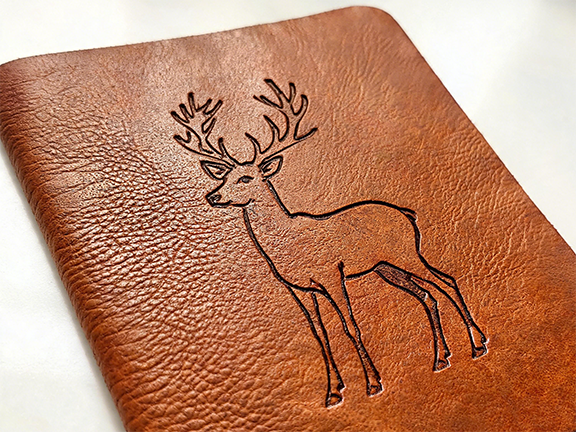
Both genuine leather and synthetic leather respond well to laser processing. Personalized graphics on belts, initials inside wallets, and customized embossing on notebook covers all belong to the medium-to-high-ticket categories in the personalized gift market, where customers are willing to pay premiums for customization and texture. Some handmade leather brands also outsource batch branding and pattern engraving work to personal workshops equipped with laser machines.
The biggest problems in leather processing are scorching and excessive odor. If the laser power is slightly too high, obvious burn marks appear on the leather surface and affect the overall appearance; if the power is insufficient, the pattern cannot be clearly presented. The acceptable operating window is extremely narrow, and significant differences exist between leather batches and tanning methods. An excellent laser control system helps users operate stably within this narrow margin.
Fabric and Apparel Customization: An Entry Point into Flexible Small-Batch Production
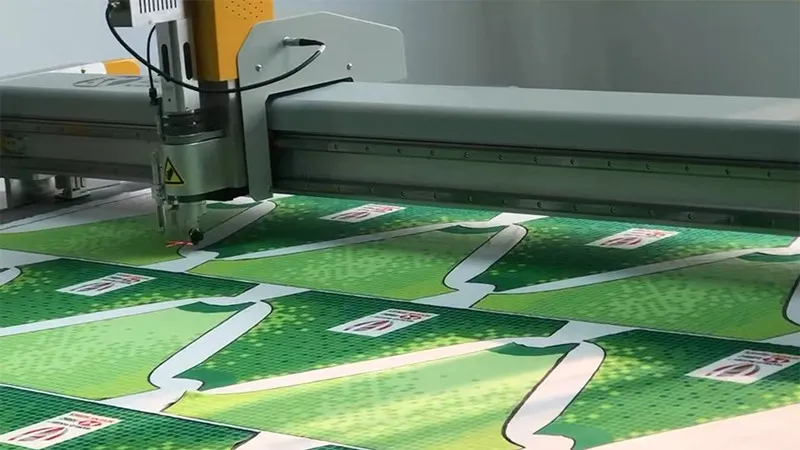
The application of laser engraving machines on fabrics is often underestimated. Distressed effects on denim, graphic branding on canvas bags, and hollow cutting on nonwoven fabrics all have real market demand in apparel accessories and cultural merchandise.
For individuals, the most valuable scenario for laser fabric processing is small-batch customization. Event merchandise, club T-shirts, and co-branded promotional gifts all share the same characteristics: low quantities and many design variations. Traditional printing factories are often unwilling to accept these jobs because the minimum order quantities are not met. Personal workshops equipped with laser engraving machines are well positioned to fill this market gap.
Fabric processing places significant demands on the speed control capabilities of the laser control card. Fabric can easily burn through if the laser stays too long in one position. During high-speed processing, the laser control card must keep up with the rhythm of mechanical movement and adjust laser energy output in real time without lag. This issue becomes especially noticeable when using low-end laser controllers, often resulting in blurred edges or localized burn damage.
Many people concentrate their budgets on the mechanical structure and laser tube when purchasing a laser engraving machine, assuming that the laser controller is merely a control board and that any option is sufficient. After practical use, this understanding is often gradually corrected.
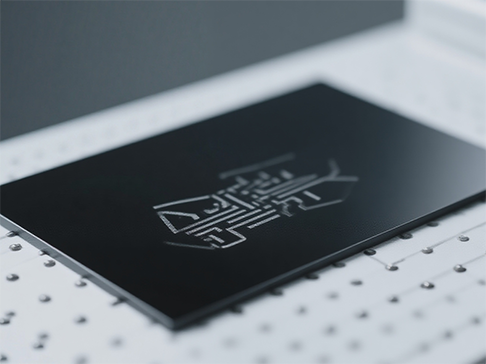
An excellent laser controller allows the same machine to switch flexibly between different materials, patterns, and precision requirements, maximizing the practical value of the hardware. For individual users, the quality of the laser controller also directly affects the length of the learning curve. A laser controller with intuitive parameter settings, user-friendly software interfaces, and clear error prompts enables beginners to accumulate effective processing experience more quickly instead of repeatedly wasting time and material costs on trial and error.
When someone upgrades a laser engraving machine from a hobby tool into a source of income, every performance detail of the laser controller becomes amplified. Processing efficiency determines order capacity, product consistency determines customer retention, and stability determines operating costs. Together, these three factors represent the true value of a high-quality laser controller.
Laser engraving machines are becoming the first production tool for more and more people. Wood, acrylic, leather, and fabric — these readily available materials can be transformed by a properly tuned laser system into gifts, home décor products, fashion accessories, and cultural merchandise, as well as personal businesses capable of generating continuous income.
But all of these possibilities are built on one prerequisite: the laser controller must be good enough. It is not the most visible component inside the machine, but it is the one that should never be compromised. When choosing a machine, it is worth first checking exactly which laser controller it uses.