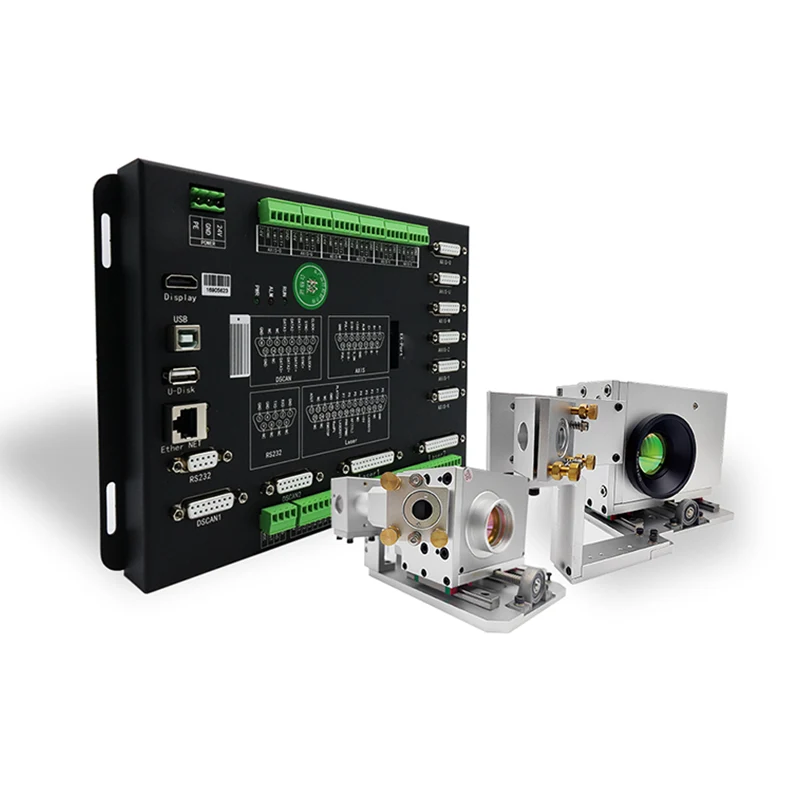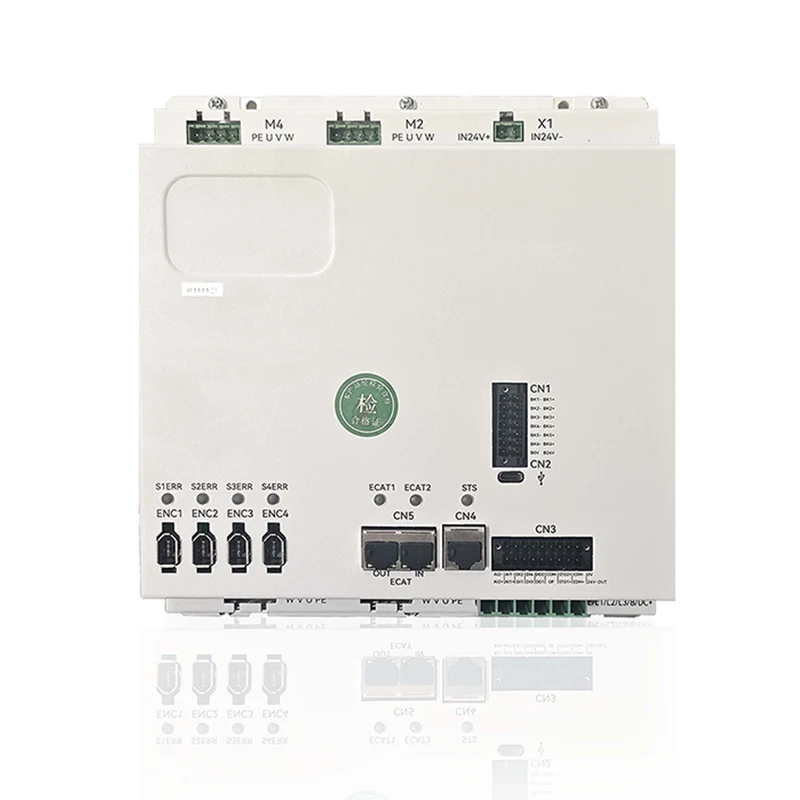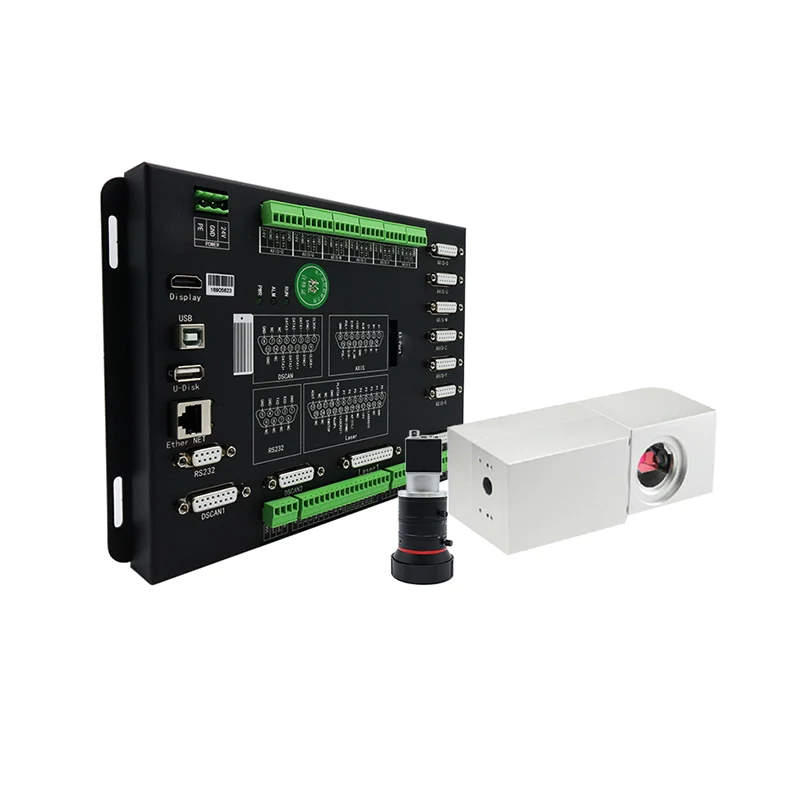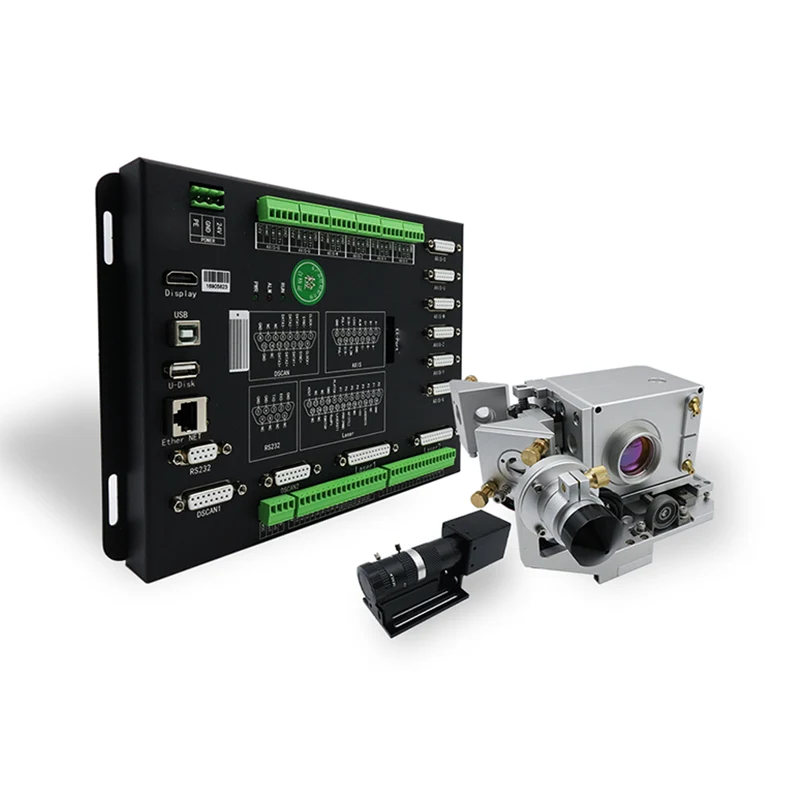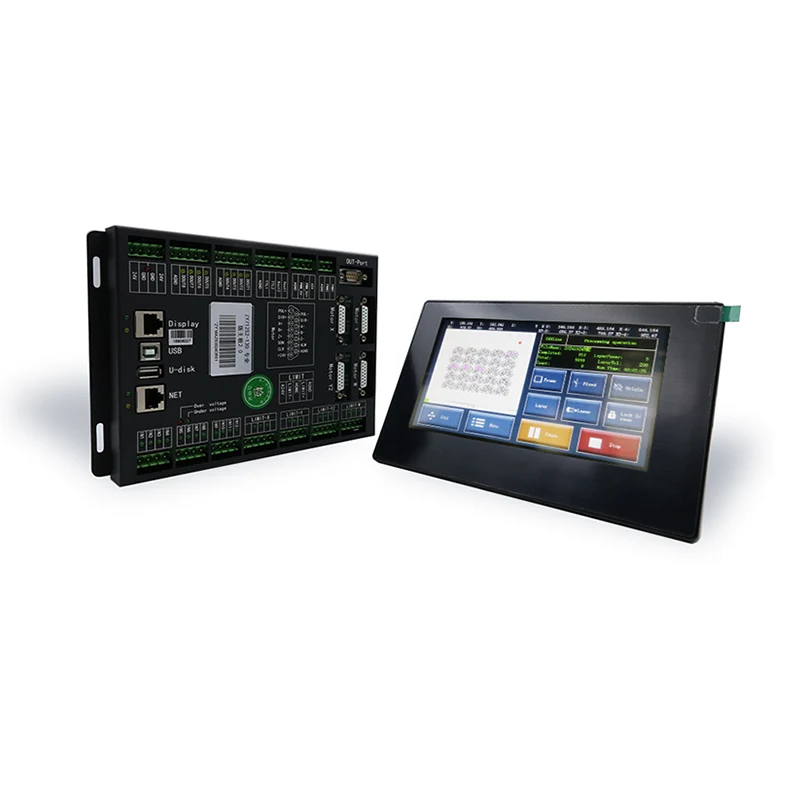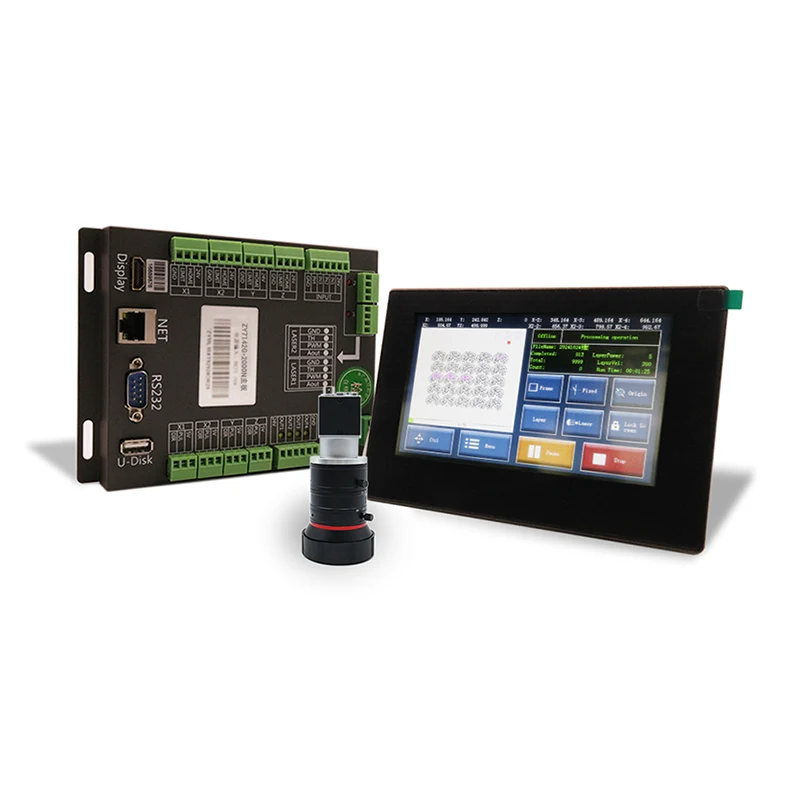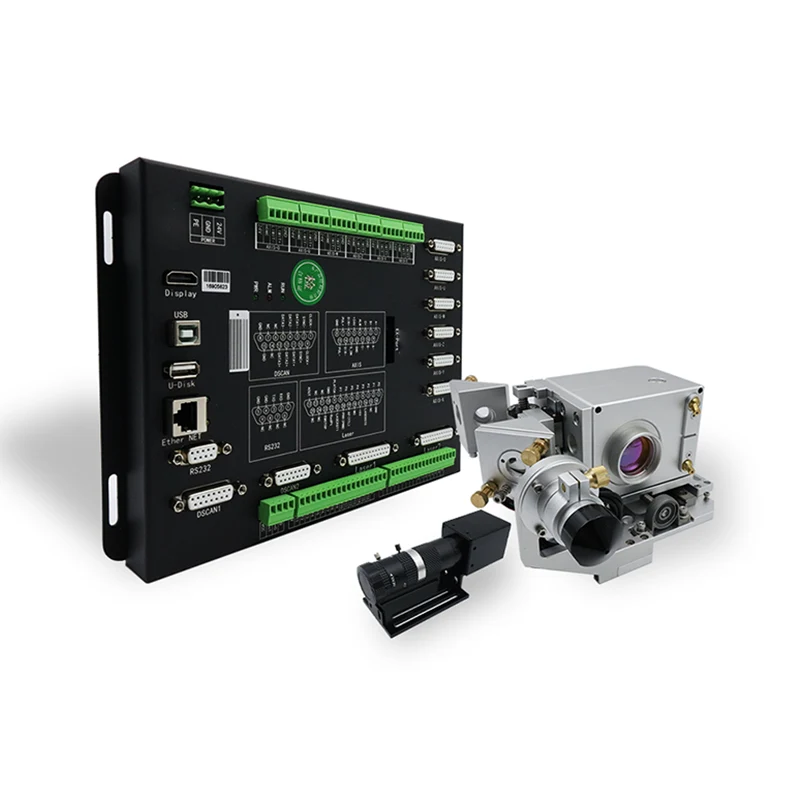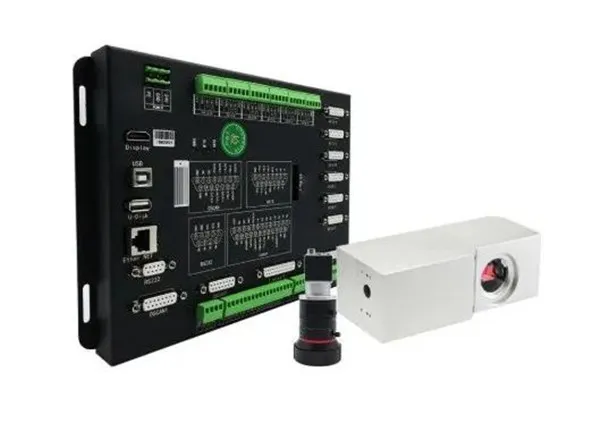
Cultural and creative gifts are undergoing a silent aesthetic revolution. A plain bamboo bookmark, a smooth leather business card holder, an acrylic ornament—these non-metal carriers that once relied on manual hot stamping or screen printing are now, under precise laser beams, being endowed with unprecedented texture warmth and a customized soul. Whether all of this can be perfectly realized often depends on a frequently overlooked yet critically important core: the laser controller.
Non-Metal Cultural and Creative Gifts: The Application of Laser Marking
As market demand continues to develop, consumers’ core demand for gifts has shifted to the pursuit of personalization and a sense of ceremony. Laser marking, with its high precision and customization characteristics, naturally aligns with consumers’ demand for personalized cultural and creative gifts.
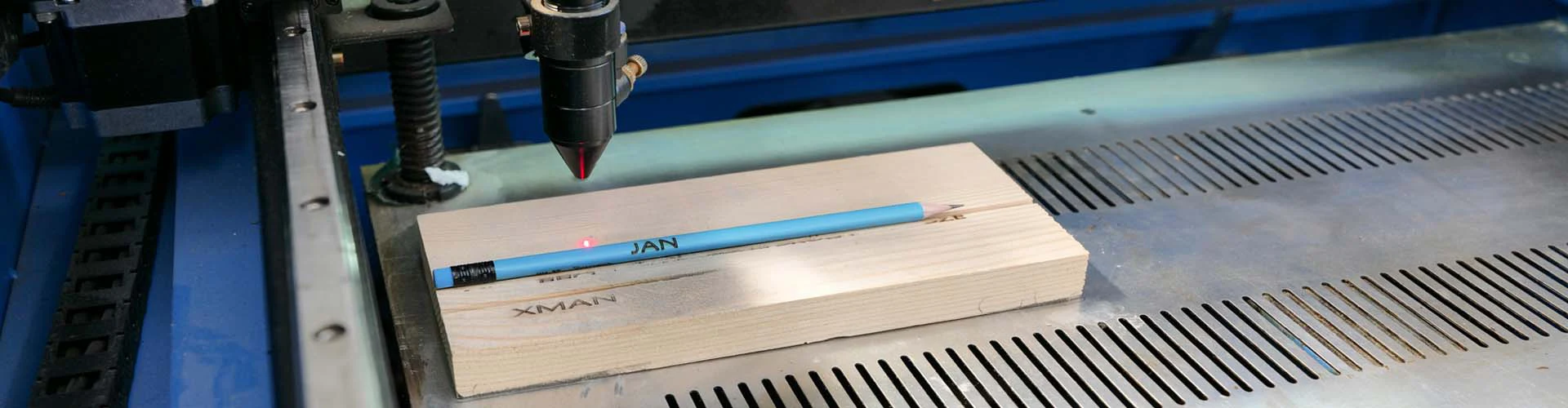
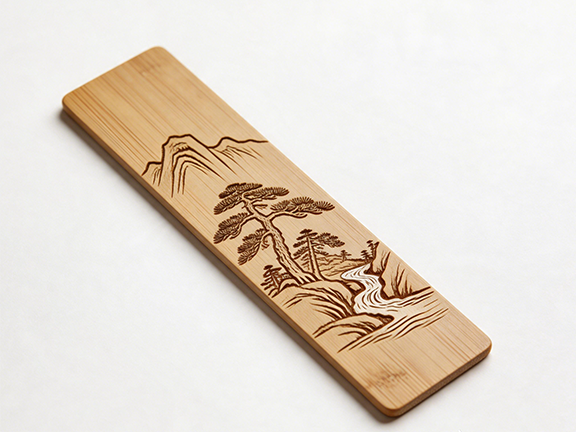
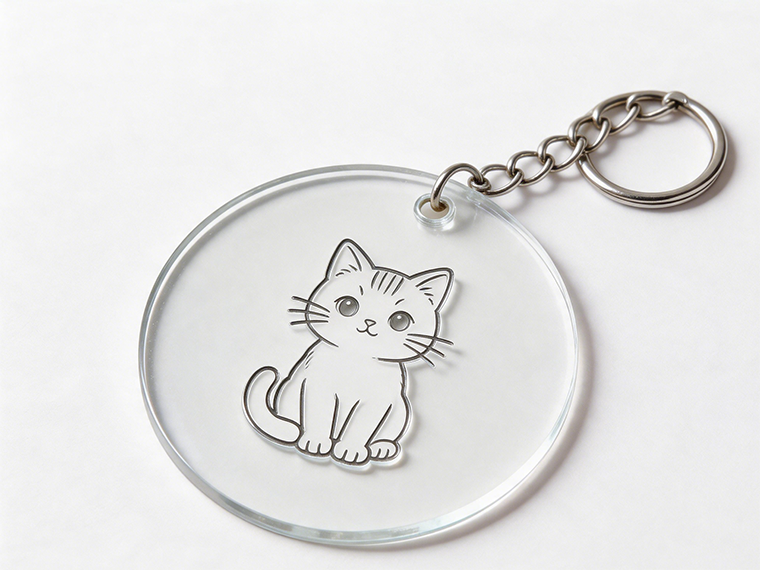
Taking bamboo as a typical example of cultural and creative gifts: bookmarks, photo frames, and bamboo tableware all feature natural textures that, combined with the carbonization layer produced by laser burning, form a unique visual layering, which is deeply loved by a wide range of consumers. Thanks to innovations in laser technology, acrylic and glass cultural and creative gifts are also very diverse. Transparent or colored acrylic ornaments, trophies, and night light bases, after laser marking, form a frosted texture. Light refracts through the engraved surface, producing charming visual effects, making the finished product highly visually impactful. These materials have extremely strict requirements for laser energy control; even slight deviations may cause edge chipping or excessive depth, which places particularly high demands on the precision of the laser controller.
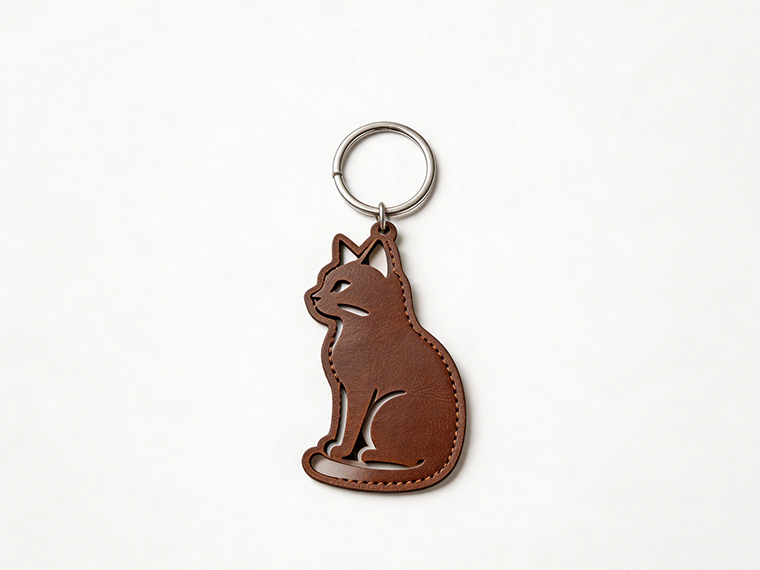
Leather and synthetic leather gifts have seen rapid growth in recent years. Business card holders, key chains, and notebook covers feature finely engraved textures produced by lasers, completely replacing traditional hot stamping processes while offering greater design freedom. In particular, the combination of gradient patterns and fine fonts can only achieve the desired sense of layering under the precise regulation of the laser control system.
The above-mentioned materials all have different physical properties. Their density, melting point, reflectivity, and surface coatings are not the same. These differences mean that when laser equipment faces different substrates, it needs to dynamically adjust core parameters such as power, frequency, and scanning speed in real time.
From Gifts to Art: The Craft Value of Laser Marking
Cultural and creative gifts are not just commodities, but carriers of emotion and stories. Laser marking gives brands and creators great expressive freedom.
In the field of corporate customized gifts, laser marking also demonstrates strong commercial value. Company annual gifts, customer appreciation gifts, exhibition souvenirs… logos, slogans, and QR codes can all be completed in one step, with no plate-making fee and almost zero minimum order quantity. For workshops and platforms undertaking small-batch, highly customized orders, laser equipment combined with a high-performance laser controller is a key infrastructure for maximizing profit.
Why Must a High-Quality Laser Controller Be Selected?
The hardware configuration of laser equipment is certainly important, but what truly determines “what level of output is achieved” is the comprehensive capability of the laser control system.
Precision and stability determine the upper limit of quality and the consistency of mass production. Cultural and creative products have extremely high requirements for detail and stability. Many cultural and creative products contain complex and small patterns and text, and these fine patterns require extremely high processing precision from the laser control system. Low-end laser controllers are prone to positional deviation and power fluctuation during high-speed scanning, resulting in uneven line width and blurred edges. In addition, low-end laser controllers are also unable to maintain good stability and production consistency during long-term high-load operation. The garment industry replaces systems frequently, especially for seasonal orders with strict delivery deadlines. Once delays occur due to system issues, order profit loss and customer trust loss may occur. Once customer trust is lost, it may also potentially affect subsequent orders and revenue.
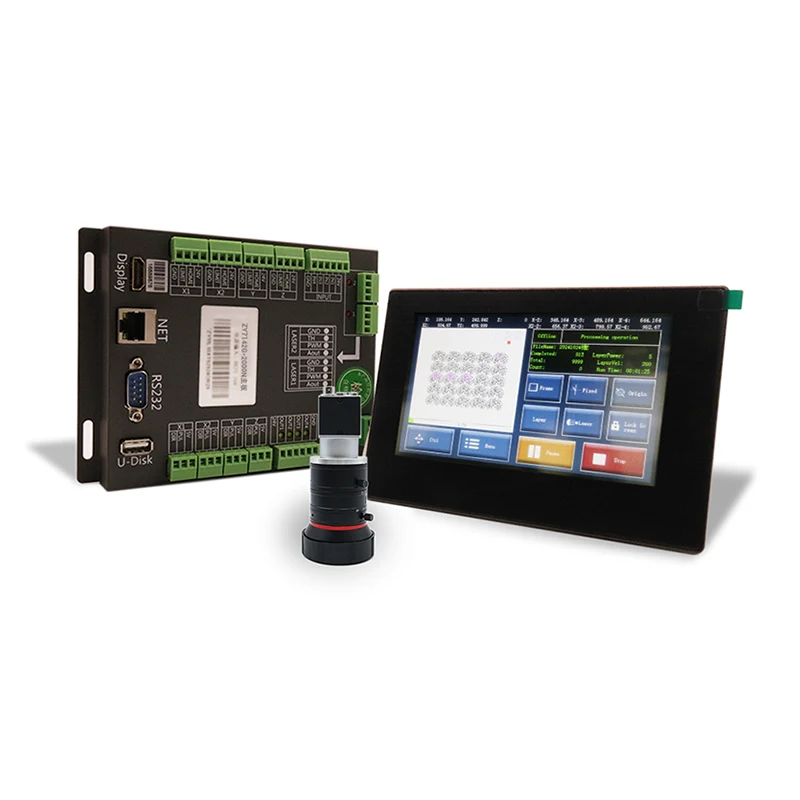
Software ecosystem and deep integration with design workflow. Excellent laser control card is usually equipped with comprehensive control software. These control software systems support direct import of mainstream design formats, or provide functions such as image gray scale processing, vector path optimization, and marking preview. This not only improves operational convenience, but also makes collaboration between designers and production more efficient, significantly shortening the cycle from creativity to finished product, which is particularly important during peak seasons of cultural and creative gifts.
In processing, safety and compliance cannot be ignored. Laser equipment involves high-energy laser beams, and the real-time monitoring and protection mechanism of the laser control card is extremely important. High-quality controllers can respond quickly and safely shut down under abnormal conditions, protecting both operators and equipment, and are also necessary conditions for entering formal sales channels.
Higher long-term return on investment. Choosing a high-quality laser control card, although the initial investment may seem higher, brings lower rework rates, less maintenance downtime, longer laser source lifespan, and continuously stable customer reputation over its full life cycle. In the highly competitive customized gift market, consistency in quality itself is the strongest competitive barrier.
Choosing the Controller Is Choosing Quality
The market for non-metal cultural and creative gifts is essentially a competition of “winning people through details.” Laser marking, with its irreplaceable flexibility and precision, has become the most valuable process in this field. To truly realize the potential of this technology, the choice of the laser controller must never be taken lightly.