Stay ahead of the curve with the latest news and updates from Shenzhen Shenyan CNC Co., Ltd. From product launches to industry insights, our news section keeps you informed about the latest developments in the laser and automation industry. Stay connected and be the first to know about our innovations and achievements.
With the rapid development of electronics manufacturing, new energy, medical devices, the automotive industry, and flexible material applications, film materials have become an indispensable and important component of modern industrial production. Due to the characteristics of film materials, such as thin thickness, high flexibility, easily damaged surfaces, and fine structures, traditional mechanical cutting methods are prone to problems such as burrs, deformation, edge damage, and insufficient processing accuracy during processing. Therefore, laser processing technology has gradually become an important solution for precision film cutting, and the laser cutting controller has become an important core component connecting laser equipment, motion systems, and processing technology.
With the development of intelligent manufacturing, non-metal material processing is moving toward high precision, high efficiency, and intelligent automation. Traditional laser cutting equipment faces challenges when processing complex patterns, flexible materials, and large-format materials, including positioning errors, low manual adjustment efficiency, and limited material utilization.
Due to the characteristics of fabrics, such as softness and easy deformation, while traditional die cutting or mechanical processing methods involve mechanical stress and relatively low precision, traditional processing methods cannot meet the processing requirements of complex patterns and high-precision designs. Laser cutting, utilizing the advantages of non-contact processing, can complete high-precision contour cutting and localized processing without touching the material. Therefore, it is widely used in multiple industries. Especially in processing fields such as apparel, textiles, and automotive interiors, laser processing often has unique advantages.
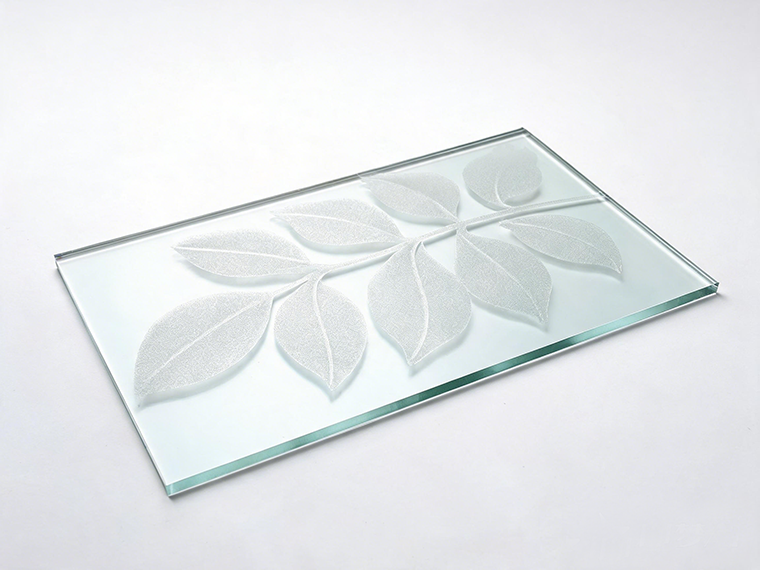
Glass sandblasting is a process for frosting (atomizing) the glass surface. The processing methods are generally divided into traditional physical methods or laser methods. Traditional sandblasting processes rely on high-pressure gas to spray abrasive particles onto the glass surface, forming a uniform frosted effect. Due to continuous innovation in laser technology, in some processing fields, laser sandblasting has gradually become a more precise and more flexible alternative solution. In laser sandblasting, the laser control system plays a core role. Processing efficiency, processing precision, and the final product performance are all closely related to the laser control system.
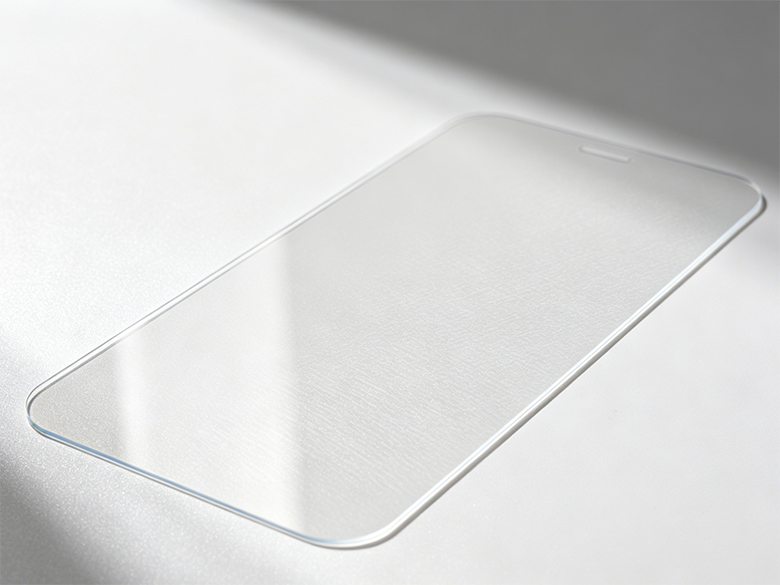
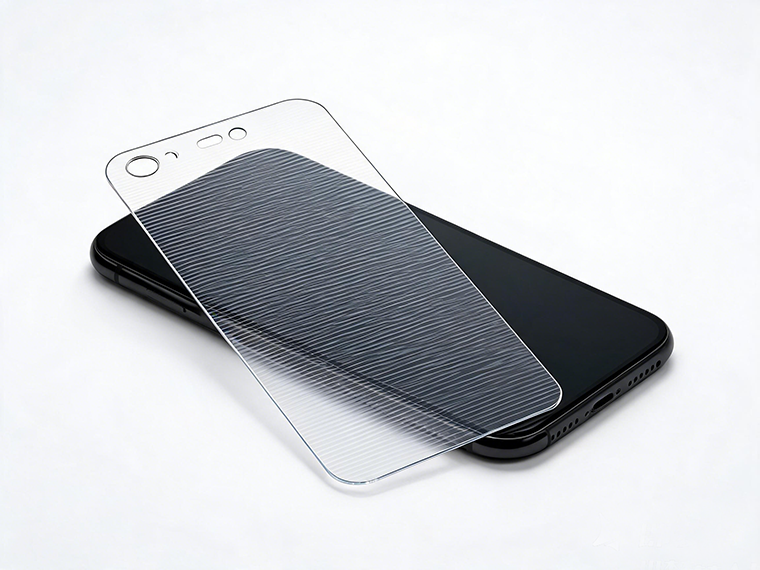
With the widespread adoption of mobile devices such as smartphones, tablets, and laptops, users’ demand for personal privacy protection is increasing. As a functional film material that effectively protects screen information from being viewed by others, privacy screen protectors continue to experience growing market demand. However, the precision cutting of privacy films places extremely high requirements on processing equipment. Traditional mechanical cutting methods, when dealing with precision optical film materials such as privacy films, often struggle to meet the requirements for high precision and damage-free processing. Since the introduction of laser cutting technology, especially laser processing equipment equipped with advanced laser controllers, the way privacy films are cut has become different from the past, and both processing efficiency and product quality have been greatly improved.
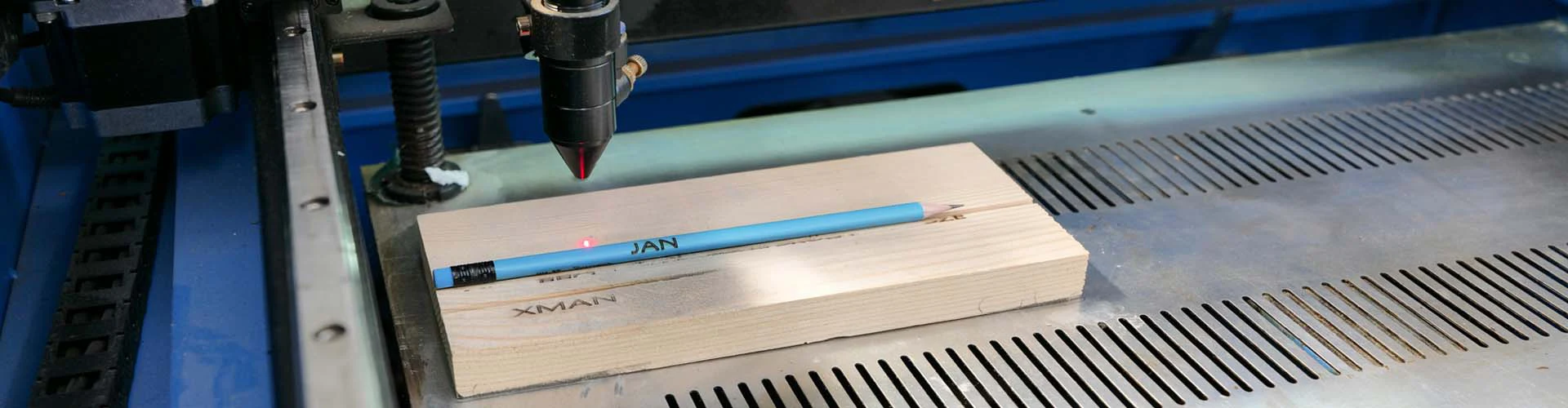
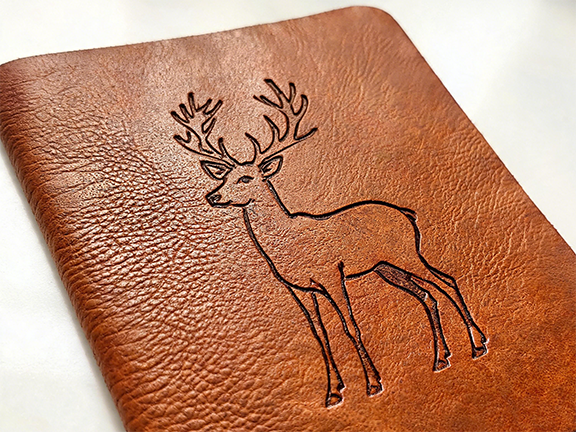
When someone decides to purchase a laser engraving machine, the first thing that usually comes to mind is the appealing finished products: precise patterns on wooden photo frames, clearly engraved initials on leather wallets, and the soft glow shining through acrylic light signs. However, after actually using the machine, many people gradually realize that what determines how far the machine can go is not the power of the laser tube or the precision of the guide rails, but the often-overlooked laser controller.
We use cookies to offer you a better browsing experience, analyze site traffic and personalize content. By using this site, you agree to our use of cookies. Privacy Policy

 17 2026-07
  15 2026-07
  08 2026-07
  09 2026-06
  09 2026-06
  05 2026-06