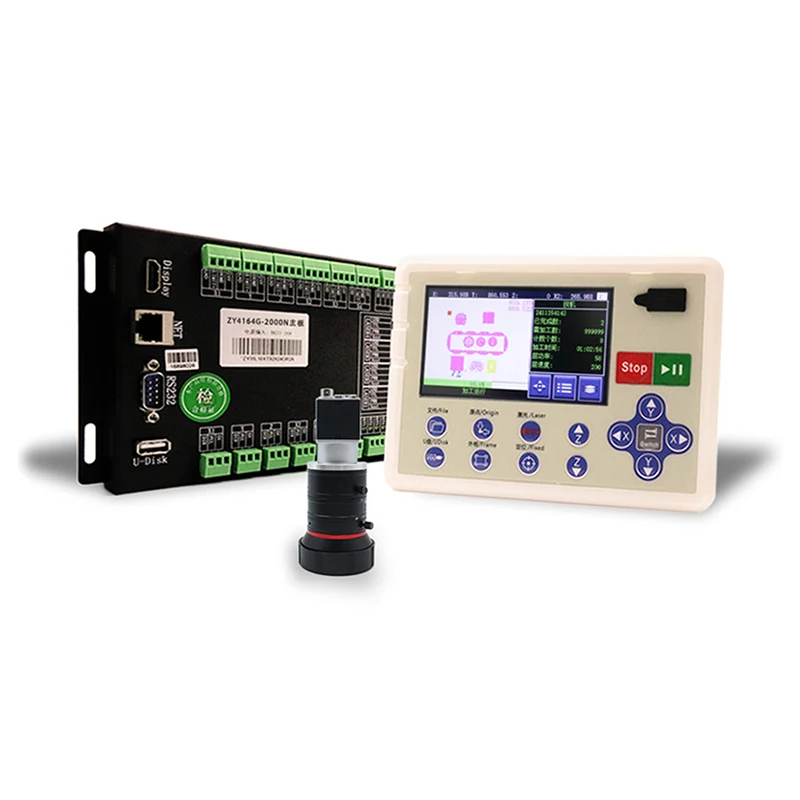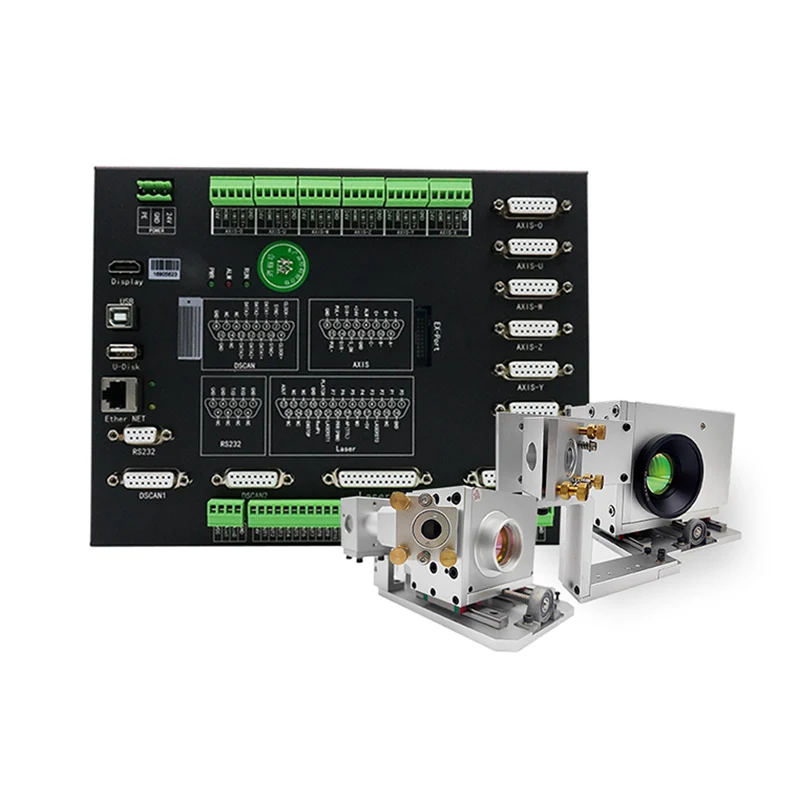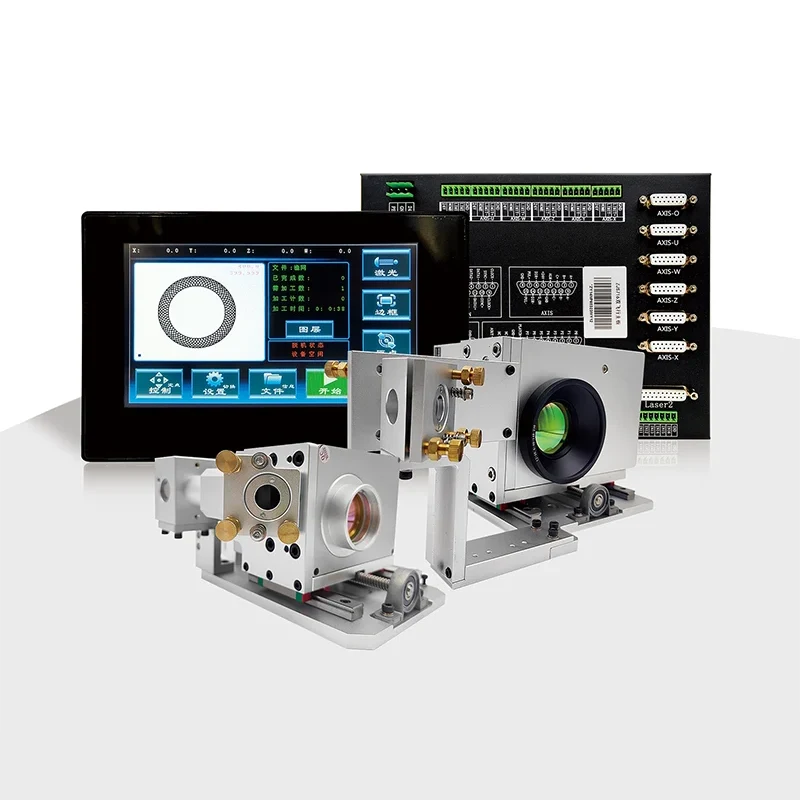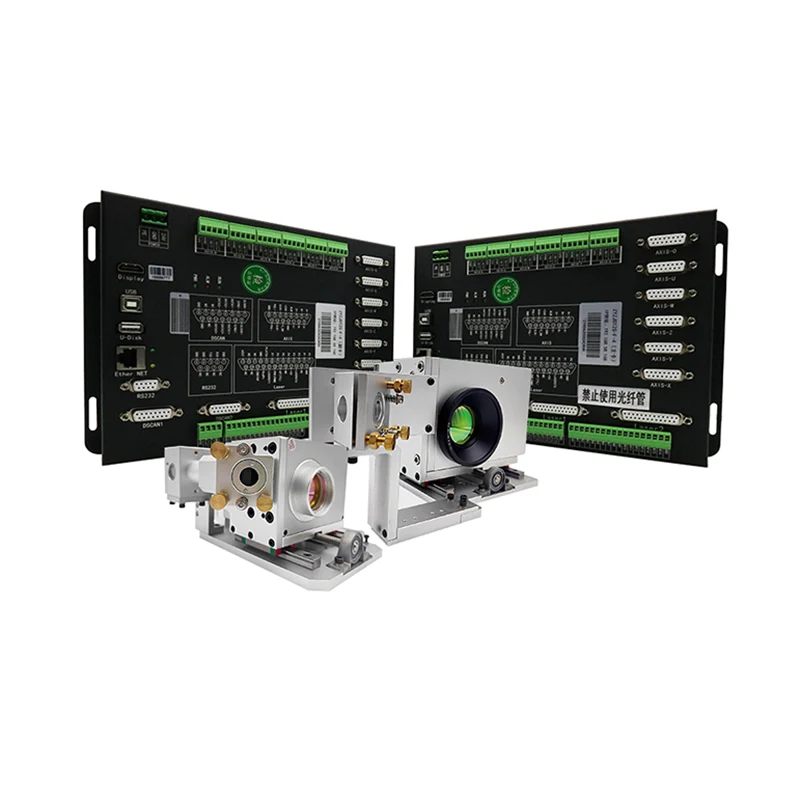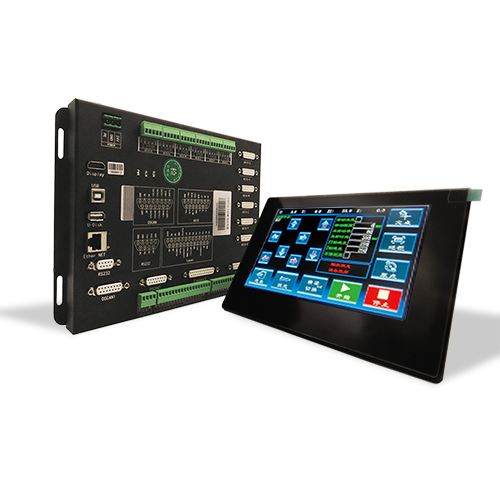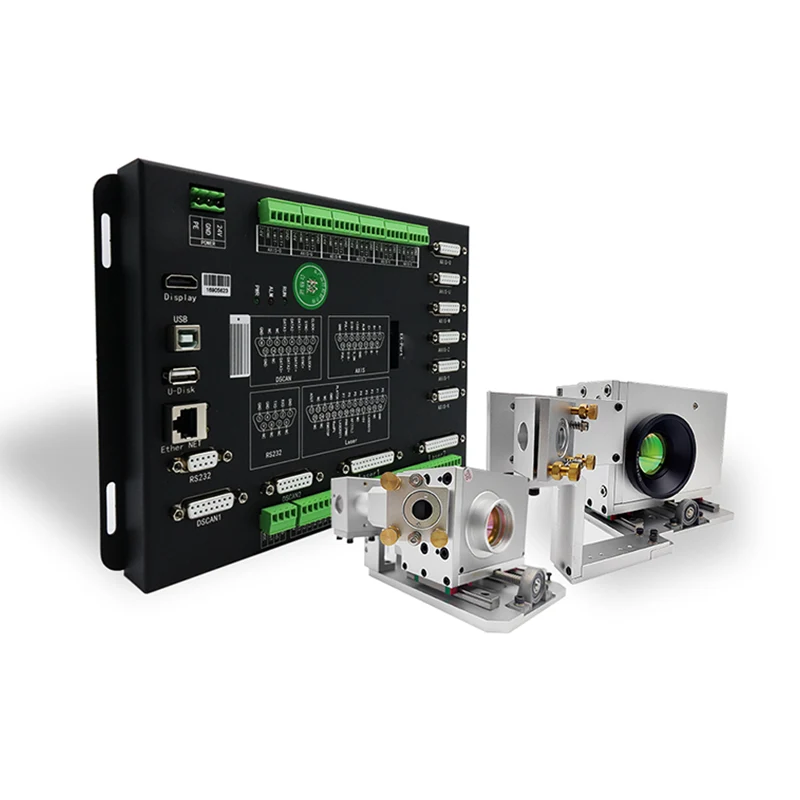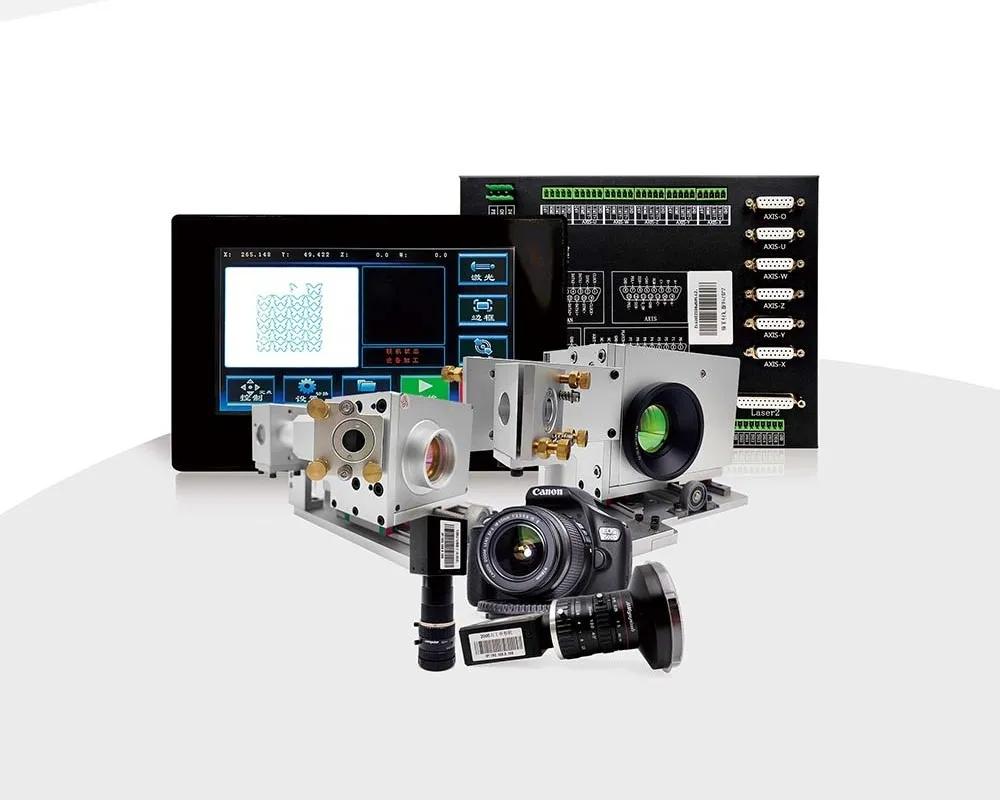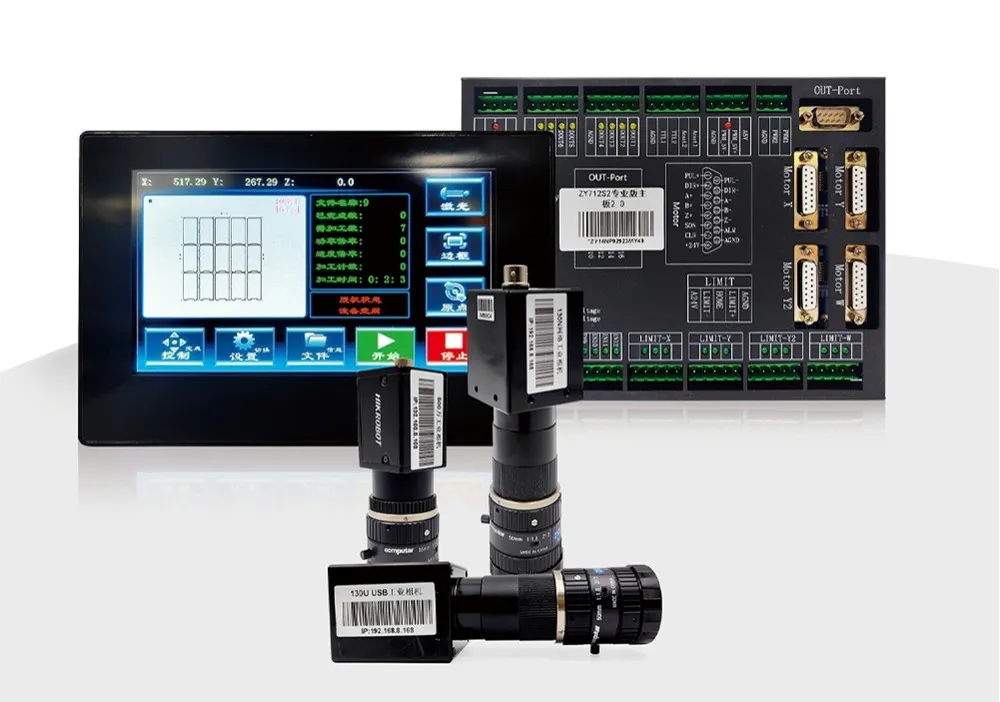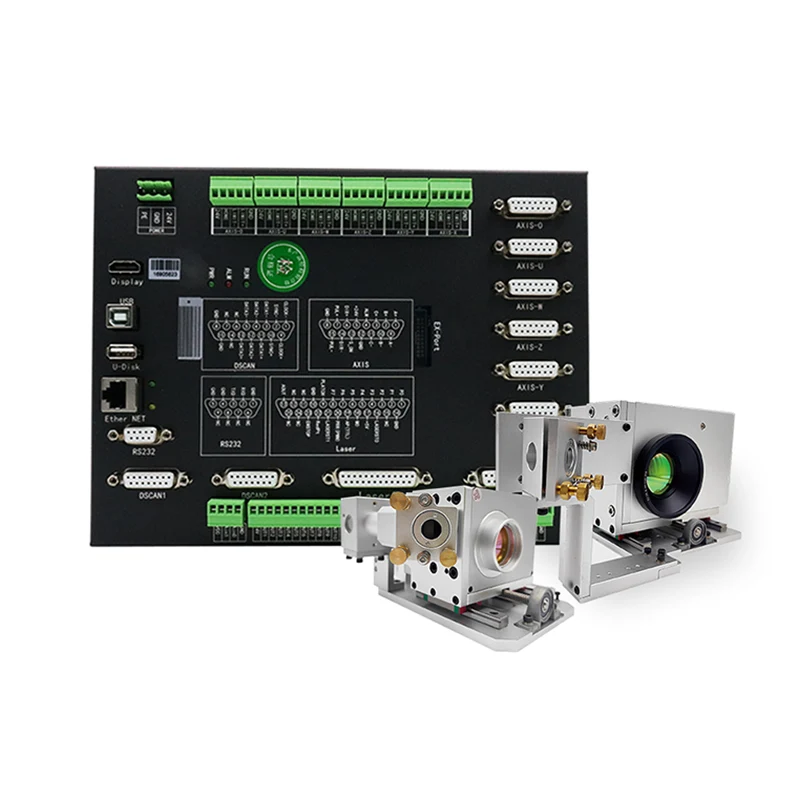
In actual thin-film laser processing production lines, the first issue engineers face is often not “which laser is more advanced,” but rather “whether this machine can stably produce qualified products and whether the yield can meet mass-production requirements.” The answer to this question largely depends on the configuration logic of the entire laser system, especially the precision and system integration capability of the laser controller in managing laser parameters. The process window for thin-film processing is usually extremely narrow: if the energy density is slightly too high, the film will burn through; if it is slightly too low, the film cannot be fully cut or cleanly ablated. The role of the laser controller is precisely to keep the laser output firmly locked within this process window and maintain this stability continuously throughout production line operation.
General-purpose laser control systems are designed to satisfy most conventional processing scenarios, where the consistency requirement for single-pulse energy is relatively loose. Thin-film processing is completely different. Thin-film materials are extremely sensitive to energy density. Pulse-to-pulse energy fluctuations that are considered acceptable in general-purpose systems may directly cause burn-through in some areas and incomplete removal in others during thin-film processing. The cross-sectional morphology differences within the same batch can become visibly obvious, making it impossible to satisfy mass-production quality requirements.

Taking flexible display processing as an example, laser cutting of flexible displays is one of the thin-film processing scenarios with extremely high requirements for overall system capability. The multilayer structure of flexible OLED panels is highly complex. From the flexible substrate, thin-film transistor layers, emissive functional layers, to encapsulation films and touch components, the total thickness is extremely thin while the material characteristics between layers differ significantly. Laser cutting must sever the entire multilayer stack in a single pass without causing interlayer delamination or damaging the emissive regions near the cutting edge, which places extremely high demands on laser parameter matching and the process control capability of the laser control system.
Flexible display cutting usually adopts an ultraviolet picosecond laser solution. The ultra-short pulse width minimizes the heat-affected zone, preventing thermal damage phenomena such as melting, carbonization, or bubbling of organic layers at the cutting edge. However, selecting the laser type is only the starting point. What truly determines cutting quality is the laser controller’s precise control over the entire cutting process. Any energy fluctuation at any position along the cutting path will directly appear in the cross-sectional quality. Once edge chipping or interlayer cracks occur, they become initiation points for failure during subsequent bending tests, resulting in product reliability that fails to meet standards. Therefore, the laser control system must maintain pulse-to-pulse energy consistency under high-speed scanning conditions while achieving precise synchronization with galvanometer motion.

During actual procurement and integration of laser systems, besides the parameter specifications of the laser source itself, the engineering adaptability of the laser control system is often an underestimated evaluation dimension. When thin-film processing equipment suppliers provide complete machine solutions, several engineering-level capabilities should be prioritized: whether synchronization triggering between the laser control card, galvanometer, and motion platform is based on hardware real-time signals rather than software delay; whether the controller’s energy monitoring feedback loop has sufficient bandwidth to maintain stable closed-loop control under high-repetition-rate processing conditions; whether the recipe management system supports parameter version control and hierarchical operation permissions to accommodate quality management requirements in multi-product manufacturing environments; and whether the equipment’s data upload and remote diagnostic capabilities can interface with the factory MES system to achieve full traceability of processing data.
These engineering-level requirements are becoming increasingly important as the thin-film processing industry transitions from R&D-scale small-batch production to large-scale mass manufacturing. A laser system that performs excellently in a laboratory environment may still expose problems such as poor stability, low changeover efficiency, and high maintenance cost in a mass-production environment if its engineering adaptability is insufficient. Therefore, during the equipment selection stage, the integration capability of the laser control card should be incorporated into the overall evaluation system rather than being regarded as an auxiliary component. This is a critical step for thin-film laser processing systems moving from the laboratory into production lines.