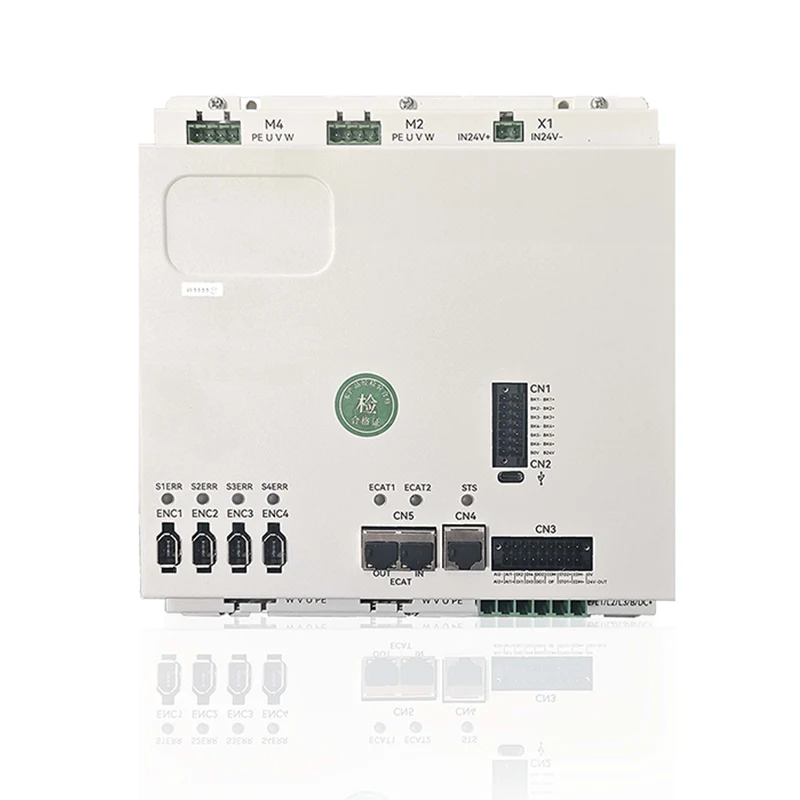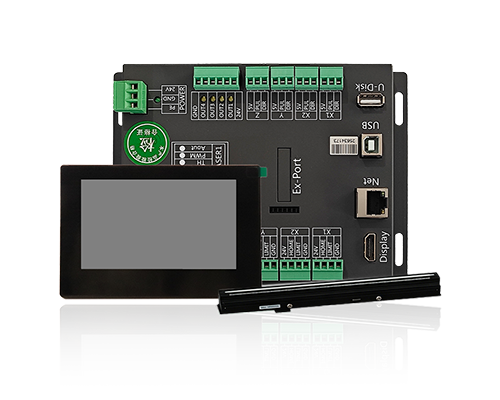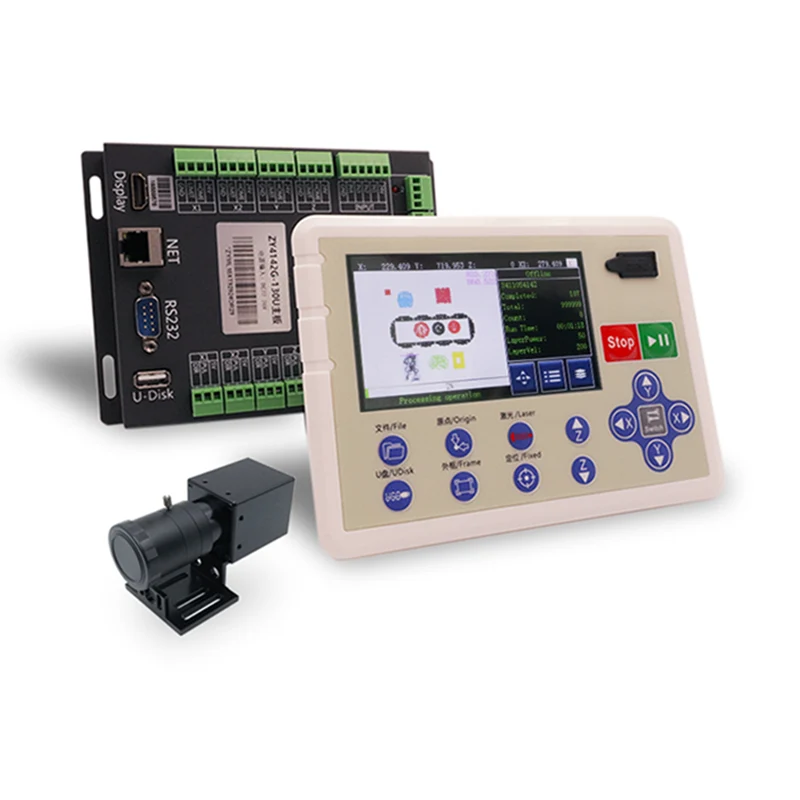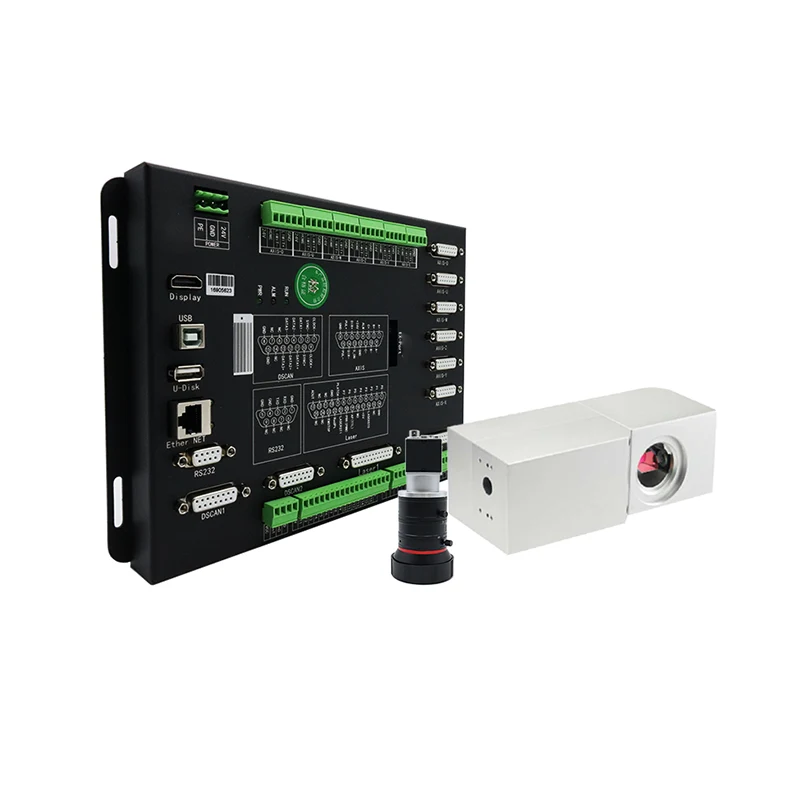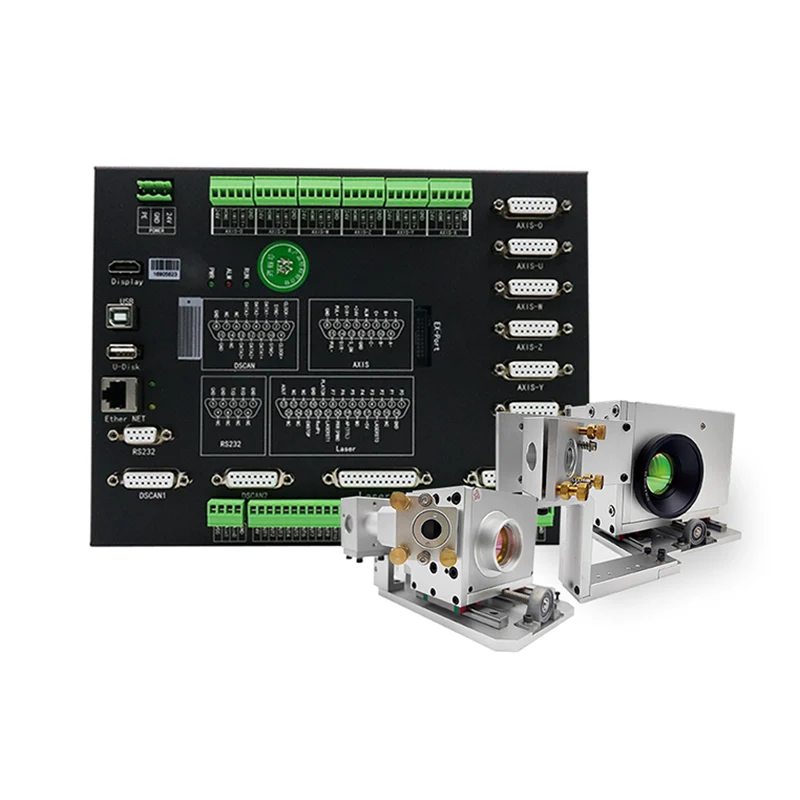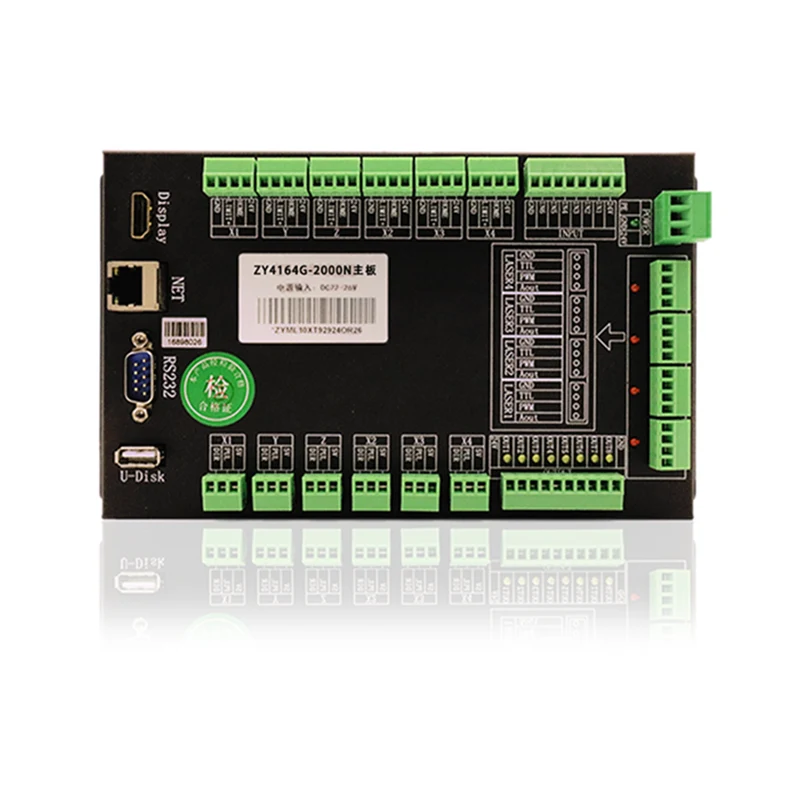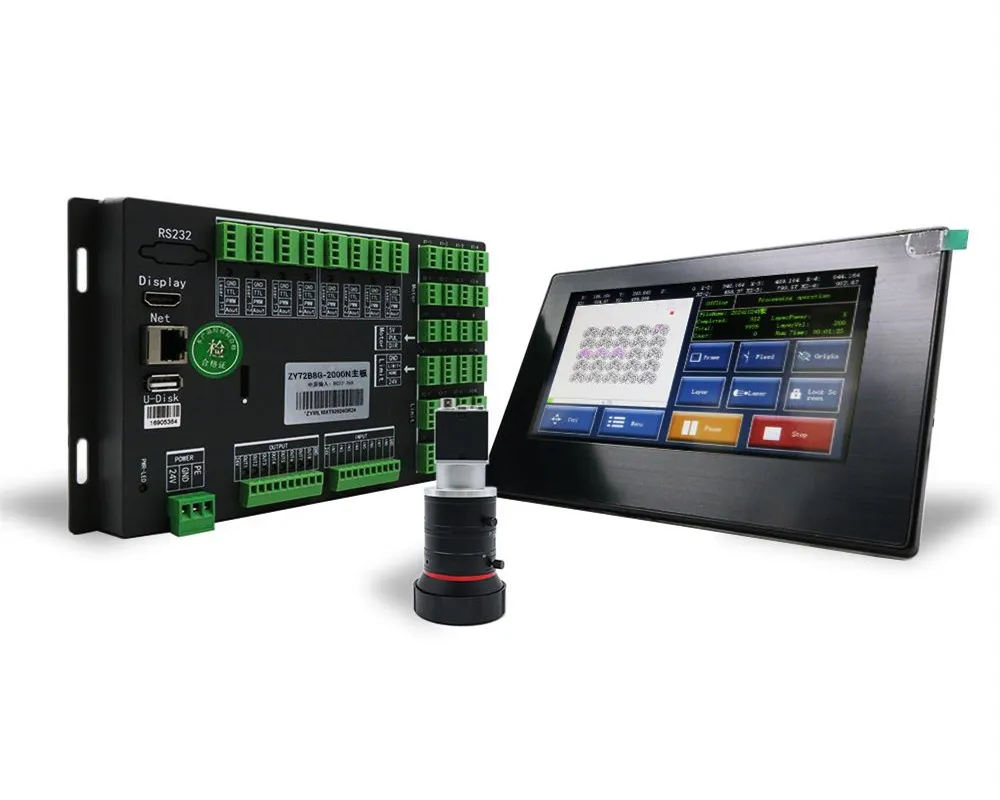
In today’s textile manufacturing industry, which is continuously evolving toward higher value-added production and intelligent upgrading, laser processing technology is gradually becoming an important driving force for industry transformation. A solution centered on the “Galvo Laser Control System (galvanometer laser control system)” demonstrates clear comprehensive advantages over conventional laser control systems in textile fabric processing, thanks to its high-speed scanning and precise control capabilities. Especially in the context of increasingly widespread personalized, small-batch, and multi-variety production models, the galvanometer laser controller is becoming an important technical support for textile enterprises to enhance their competitiveness.
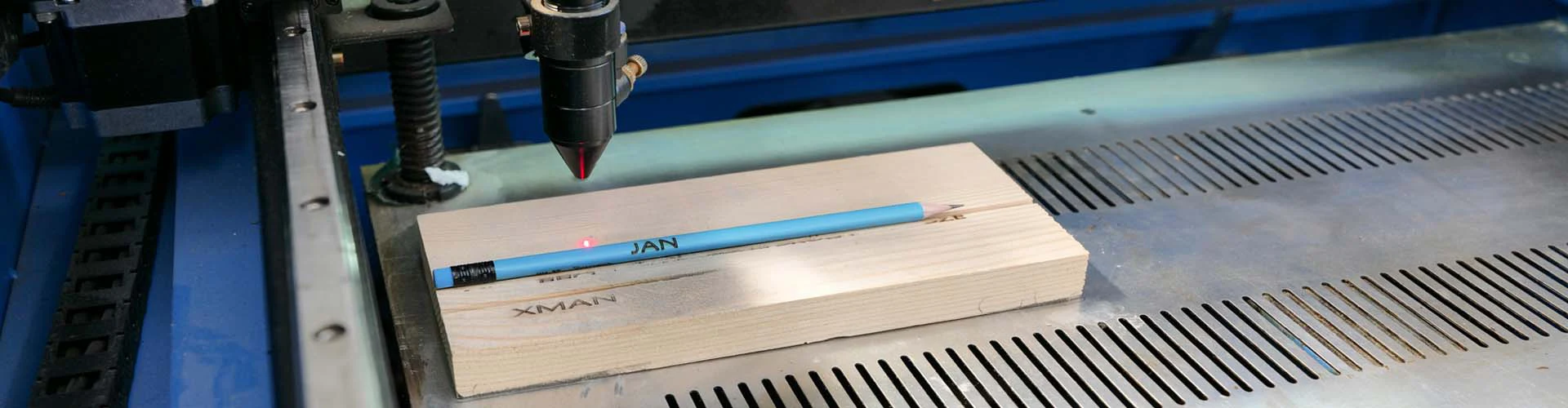
From a technical perspective, conventional laser controller are characterized by relying on mechanical motion structures to achieve processing path control, such as using X-Y worktables or gantry mechanisms to move the laser head in order to complete cutting or engraving tasks. This is a mature and stable processing method, but it is often limited by mechanical inertia and transmission accuracy, which makes processing speed and response efficiency relatively limited. The galvanometer laser controller, however, is different. It uses high-speed galvanometer mirrors to change the reflection angle of the laser beam, which makes it possible to rapidly scan the processing area without relying on large-scale mechanical movement. It is precisely based on this non-contact, high-response control characteristic that the galvanometer system far surpasses traditional laser processing systems in terms of efficiency and precision.

In actual processing production, production efficiency and order delivery capability are often determined by processing speed. However, mechanical motion imposes limitations on the realization of processing speed, especially when laser control card process large-format or complex patterns, where the presence of mechanical motion leads to slower overall processing speed. Such speed is difficult to meet the requirements of efficient production and often cannot satisfy the delivery requirements of most orders. In contrast, in terms of scanning speed, the galvanometer laser control card can reach several times that of conventional laser control systems, which enables the equipment to complete more processing tasks within the same unit of time. In applications such as batch engraving of garment fabrics and perforation of functional textiles, this advantage is particularly evident. It not only significantly reduces production time but also lowers the processing cost per unit.
In addition to the above processing applications, the galvanometer laser control card also has significant advantages in processing accuracy and graphic performance. Textile fabrics are often diverse in type, and different materials are highly sensitive to processing precision and thermal input. Conventional laser control systems are prone to mechanical vibration during high-speed movement, which can result in uneven pattern edges or even distortion of fine details. In contrast, the Galvo Laser Control System achieves more stable and refined path output through high-precision optical scanning control. Especially in complex patterns, fine lines, and high-density micro-perforation processing, it can maintain clear patterns and sharp edges, greatly improving visual quality and product consistency.
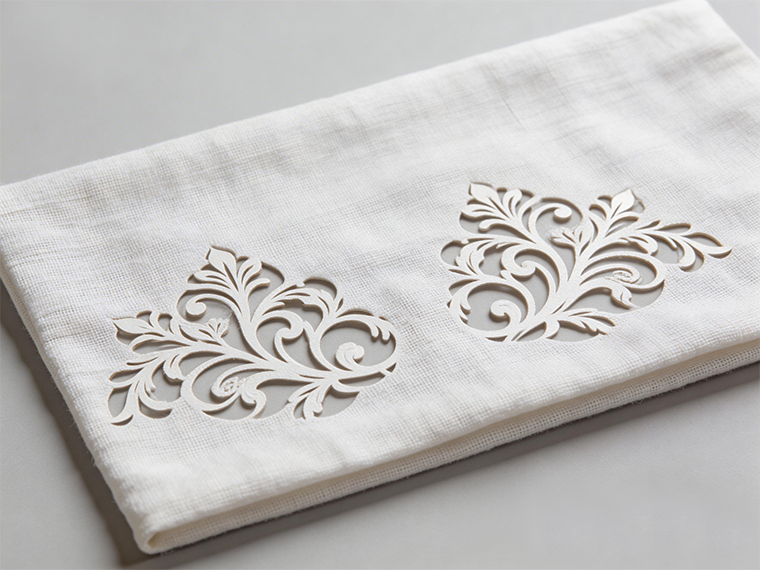
Thermal impact control is also one of the key factors in textile laser processing. Fabrics generally have low heat resistance, and improper control of heat generated during laser processing is a serious issue, which can easily lead to scorching, discoloration, or even structural damage. Conventional laser control systems, due to slower processing speeds, cause the laser to remain in a local area for a longer time, resulting in a significant heat accumulation effect. The galvanometer laser controller, however, significantly shortens the interaction time between the laser and the material through high-speed scanning, thereby effectively reducing the heat-affected zone. This “rapid pass” processing method is particularly suitable for heat-sensitive materials such as polyester and nylon. It not only reduces carbonization but also preserves the original softness and physical properties of the fabric.
With the continuous growth of demand for personalized design, textile products are placing higher requirements on pattern complexity and design diversity. Conventional laser control systems have lower efficiency in path planning and execution when handling complex graphics, and frequent switching between different patterns often requires more manual intervention. However, the Galvo Laser Control System is different. Strong graphic processing capability is one of its functions, and in addition, it also has the ability to be compatible with multiple design file formats, enabling high-speed vector scanning and accurate reproduction of complex patterns. At the same time, its control software typically supports rapid parameter adjustment, allowing production lines to flexibly respond to diverse order requirements, thereby significantly improving responsiveness in the customized market.

In terms of stability and maintenance cost, the galvanometer laser controller also has advantages that conventional laser control systems cannot match. Conventional laser control systems rely heavily on mechanical transmission components such as guide rails, lead screws, and drive motors. As usage time increases, these components experience wear and precision degradation, making regular maintenance and calibration essential. In contrast, the core of the galvanometer system lies in optical and electronic control, with very few mechanical moving parts. Therefore, it can reduce overall wear to a certain extent, and the probability of failure is lower than that of conventional laser control board. This not only reduces maintenance costs but also decreases production losses caused by equipment downtime, enabling higher long-term operational stability and economic benefits.
In practical processing applications, the Galvo Laser Control System, due to its many irreplaceable advantages, has been widely used in various textile processing scenarios, including fabric laser engraving, fabric cutting, functional micro-perforation processing, and label marking. Through the unique and efficient processing capability of the galvanometer system, as well as the characteristics of digital processing, designers can carry out more flexible creative expression, while the production side can reproduce designers’ ideas with higher efficiency and higher precision. This improvement in the synergy between design and manufacturing responds to the evolving market demands and the core value pursuit of the textile processing industry.

Furthermore, in the context of rapid development in intelligent manufacturing, the galvanometer laser control system also has clear advantages in automation integration. Its open control interfaces and high responsiveness make it easier to integrate with automatic loading and unloading systems, vision positioning systems, and production management systems, thereby enabling the construction of highly automated production lines. In contrast, conventional laser control systems are relatively limited in scalability and system compatibility, making it difficult to meet the current needs of textile enterprises transitioning toward digitalization and intelligent manufacturing.
Compared with conventional systems, the Galvo Laser Controller achieves comprehensive improvements in speed, precision, thermal control, flexibility, and system integration, providing a more efficient, reliable, and sustainable solution for textile fabric processing. As industry competition continues to intensify, market demand continues to increase, and consumers’ requirements for product quality and personalization continue to rise, the galvanometer laser controller will occupy an increasingly important position in the future and continue to drive the entire industry toward a higher level of development.