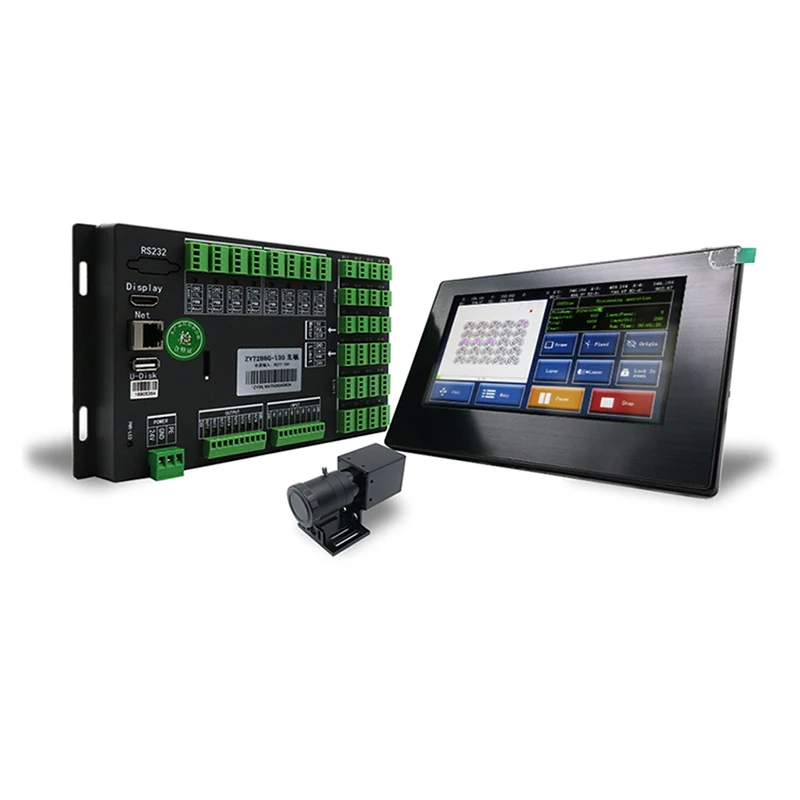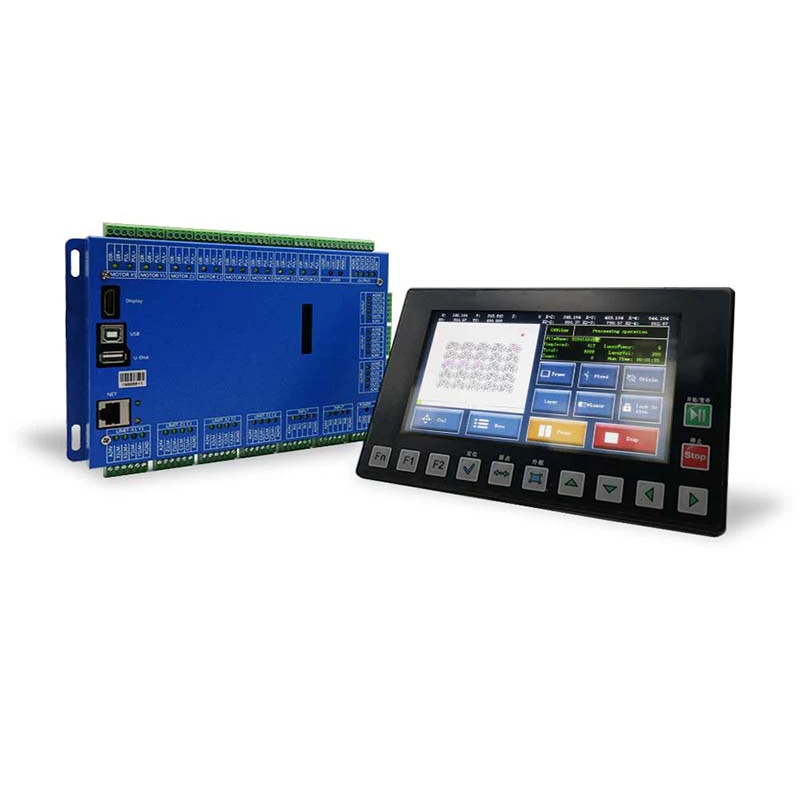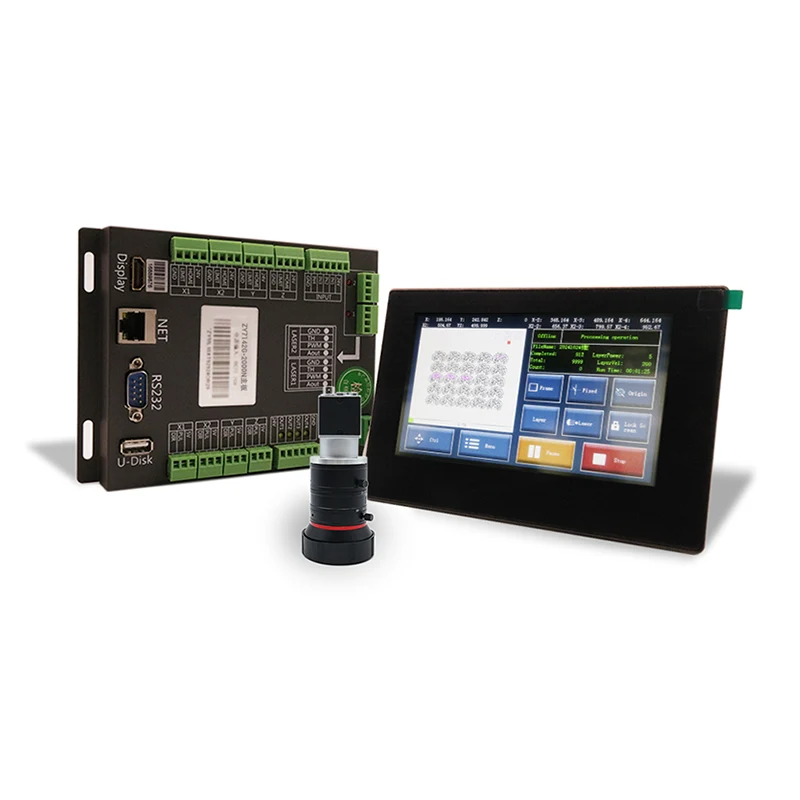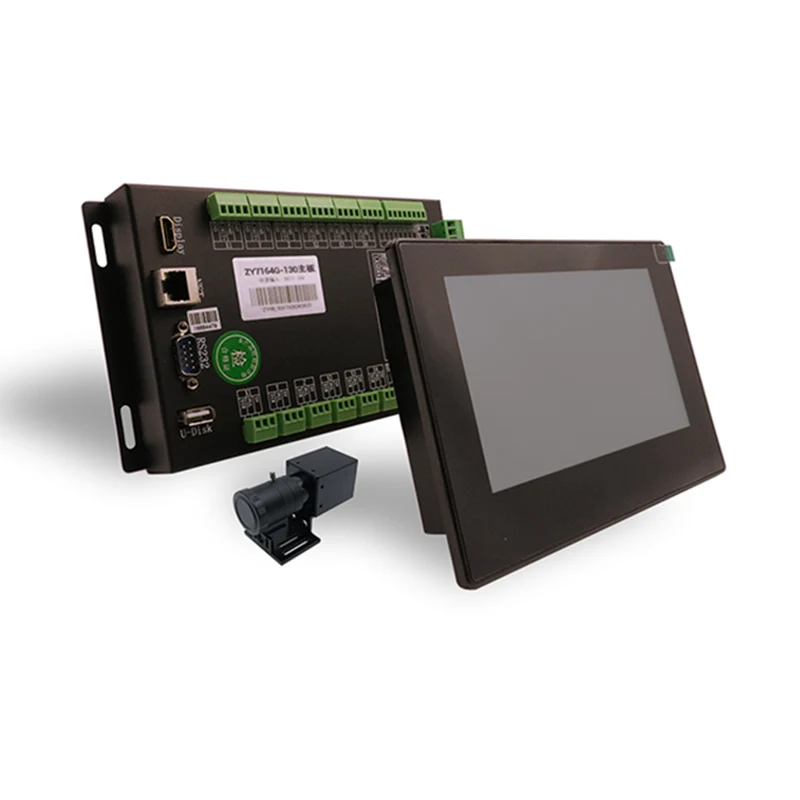
In the fabric cutting production process, the core value of the laser control system used for fabric cutting is mainly reflected in processing efficiency and the stability of operating cycle. The control system not only determines the execution method of the cutting trajectory, but also directly affects the processing capacity of fabric per unit time. Therefore, from a practical application perspective, the differences between single-axis and multi-axis control logic are more reflected in processing speed, path execution efficiency, and the improvement of overall output brought by multi-axis coordination capability.
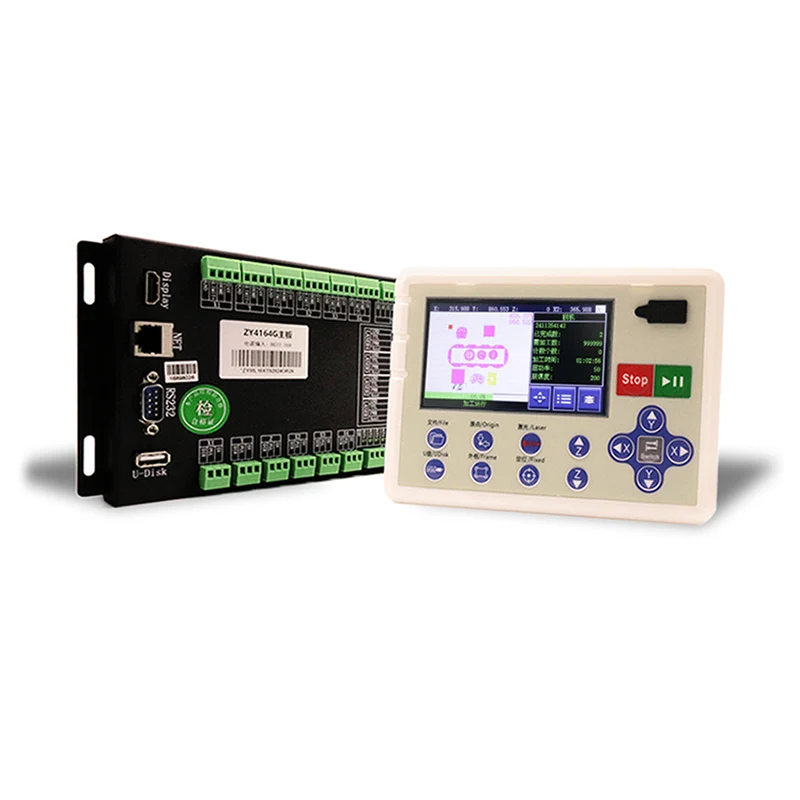
In actual fabric cutting applications, a single-axis laser control system used for fabric cutting usually adopts a single motion axis sequential execution method, that is, only one directional motion control task is completed at the same time. The characteristic of this method is that the path execution is relatively simple, and the system completes the cutting action segment by segment according to the preset trajectory. In simple fabric cutting tasks with structure, such as straight-line cutting, large-area regular segmentation, and repetitive higher-frequency piece processing, single-axis control can maintain a relatively stable operating cycle, making the processing process have continuously consistent output capability.

However, from a processing efficiency perspective, the motion method of a single-axis laser control system used for fabric cutting has certain limitations. Because the motion path needs to be executed sequentially segment by segment, when the fabric pattern contains more directional changes or path turns, the overall motion process is constrained by the single-axis control rhythm, and it cannot improve execution efficiency in multiple directions at the same time. This sequential execution method in complex paths can easily lead to a decrease in the proportion of effective processing time per unit time, thereby affecting overall output efficiency.
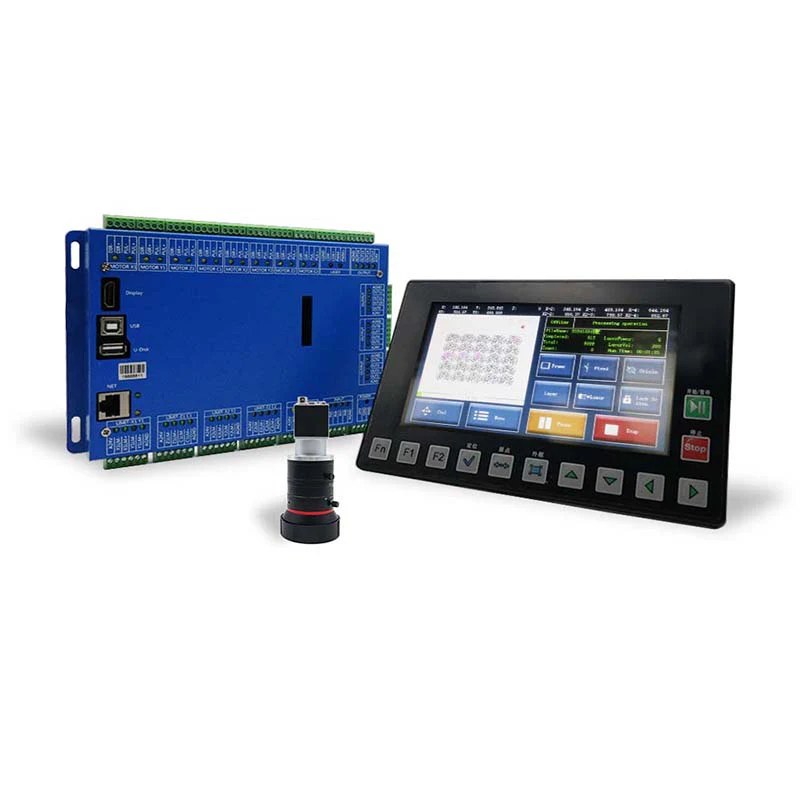
Compared with this, the core advantage of a multi-axis laser control system used for fabric cutting is that multiple motion axes can participate in the processing process at the same time, achieving parallel execution and efficiency superposition of cutting trajectories through coordinated motion. In this control mode, motions in different directions are no longer a sequential relationship, but a synchronous relationship, making the laser motion trajectory able to complete continuous execution of complex paths at a higher frequency. This multi-axis simultaneous participation method can significantly improve the processing coverage capacity per unit time in fabric cutting, thereby increasing overall production efficiency.
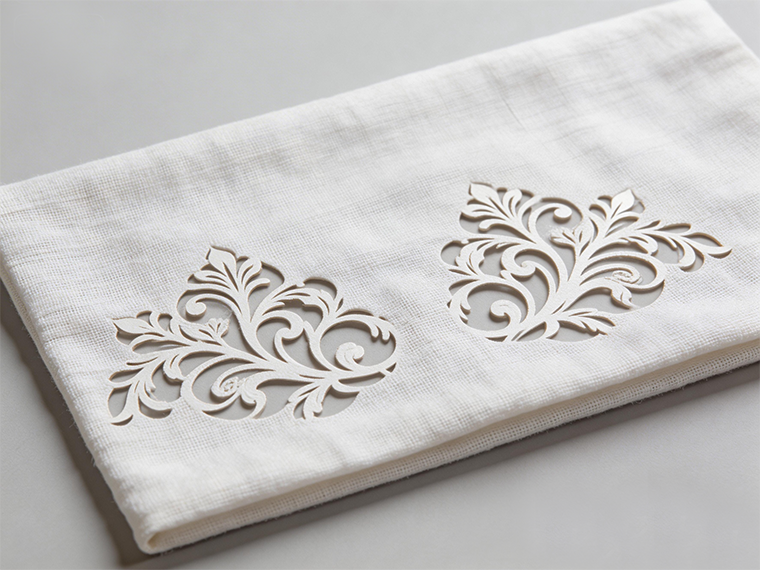
In actual fabric cutting applications, a multi-axis laser controller used for fabric cutting shows obvious efficiency advantages especially in cases where the path structure is relatively complex or curve changes are more frequent. Because multiple motion axes can simultaneously share motion tasks in different directions, the system can reduce waiting time of motion in a single direction during execution, making the overall trajectory more continuous and compact. This coordinated motion method can effectively reduce empty travel time, increase the proportion of effective cutting time, thereby improving overall processing cycle.
In addition, a multi-axis laser controller used for fabric cutting can still maintain high synchronization under high-speed operation states, making the motion between multiple axes maintain a consistent rhythm. In continuous fabric cutting processes, this synchronization capability can reduce speed bottlenecks caused by single-axis limitation problems, making the overall processing process more smooth, thereby further improving output capacity per unit time. In large batch fabric processing scenarios, this efficiency advantage becomes more obvious as operating time is extended.
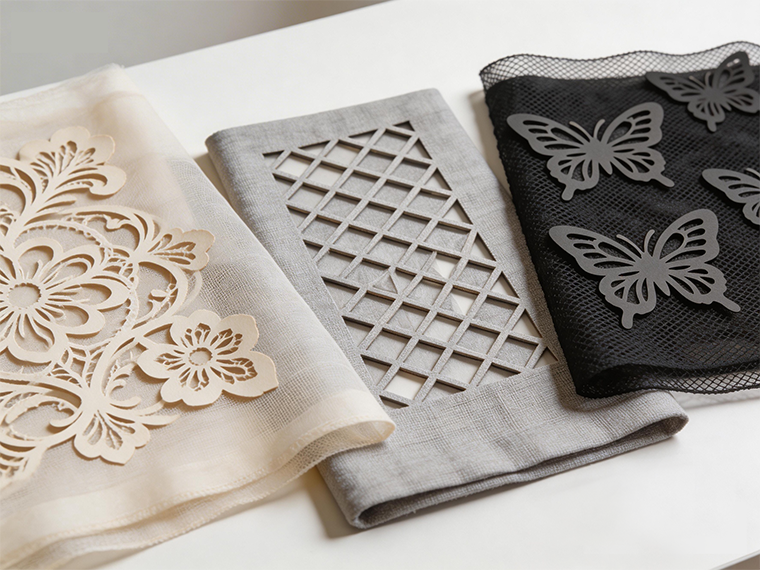
From a production cycle perspective, the difference between single-axis and multi-axis laser controller used for fabric cutting is mainly reflected in the impact of path execution method on overall cycle. Single-axis control relies on a sequential execution mechanism, and the overall cycle is determined by the motion speed of a single direction, therefore in complex paths it is prone to a decrease in cycle. Multi-axis control, by participating in motion at the same time, makes the processing cycle no longer restricted by a single direction, thereby still maintaining higher overall operating efficiency under complex path conditions.
In continuous fabric cutting production processes, the efficiency difference of laser control systems used for fabric cutting is also reflected in path utilization. During execution of a single-axis system, due to the obvious segmentation characteristics of the path, some motion stages may be in a non-effective processing state, thereby reducing the overall proportion of effective cutting. In contrast, a multi-axis system, due to higher motion synchronization, has a higher proportion of effective processing time, making the overall path execution more compact and increasing fabric processing capacity per unit time.
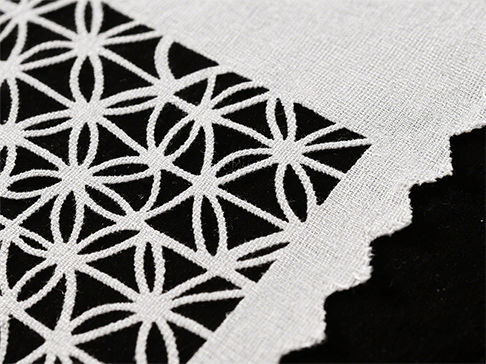
From the perspective of practical application trends, laser control system used for fabric cutting are developing toward higher efficiency directions, and multi-axis coordinated control is gradually becoming an important method for improving production capacity. Without changing the fabric structure premise, by improving motion coordination capability, processing cycle can be directly optimized, thereby making overall production efficiency improved. Single-axis control still maintains application value in basic fabric cutting, mainly used for tasks with simple structure and fewer path changes, to ensure stability and cost control.
The difference between single-axis and multi-axis in laser control system used for fabric cutting is reflected in processing efficiency and motion coordination capability. Single-axis control emphasizes stable execution and basic processing capability, suitable for simple path cutting; multi-axis control emphasizes multi-direction synchronous motion capability, improving overall processing speed and output capacity by improving motion coordination efficiency. In actual production applications, the two correspond to different efficiency levels of fabric cutting requirements, jointly forming a complete control system.