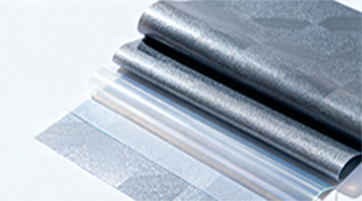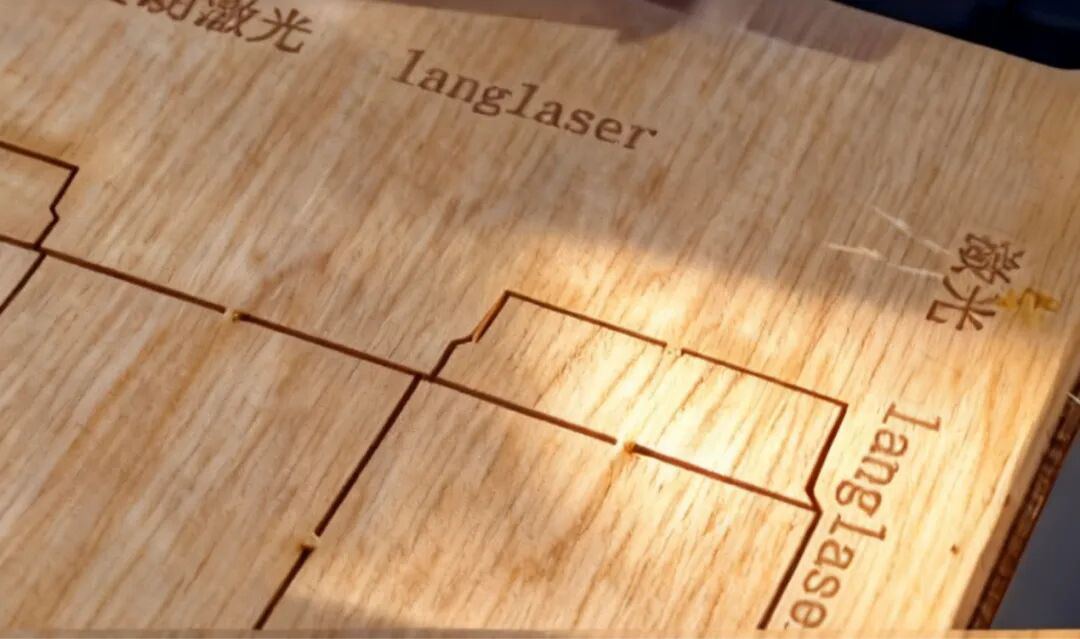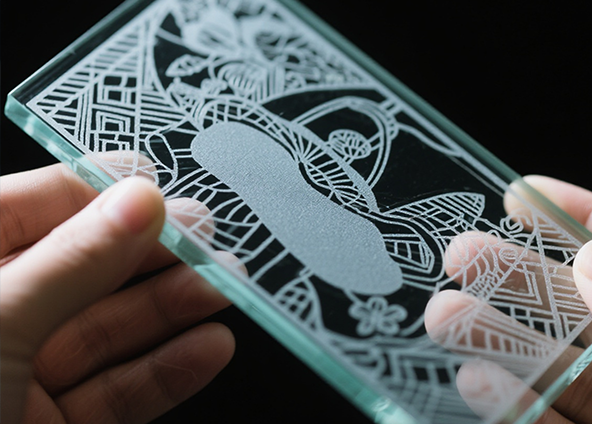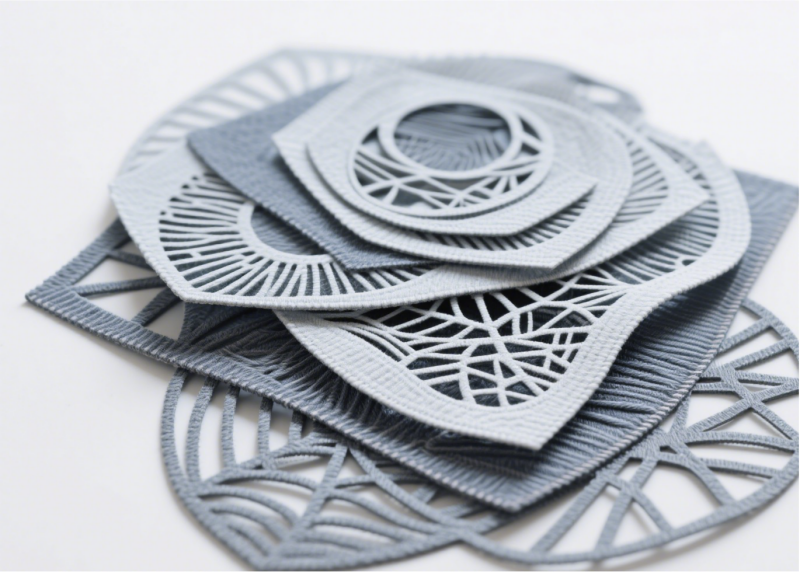
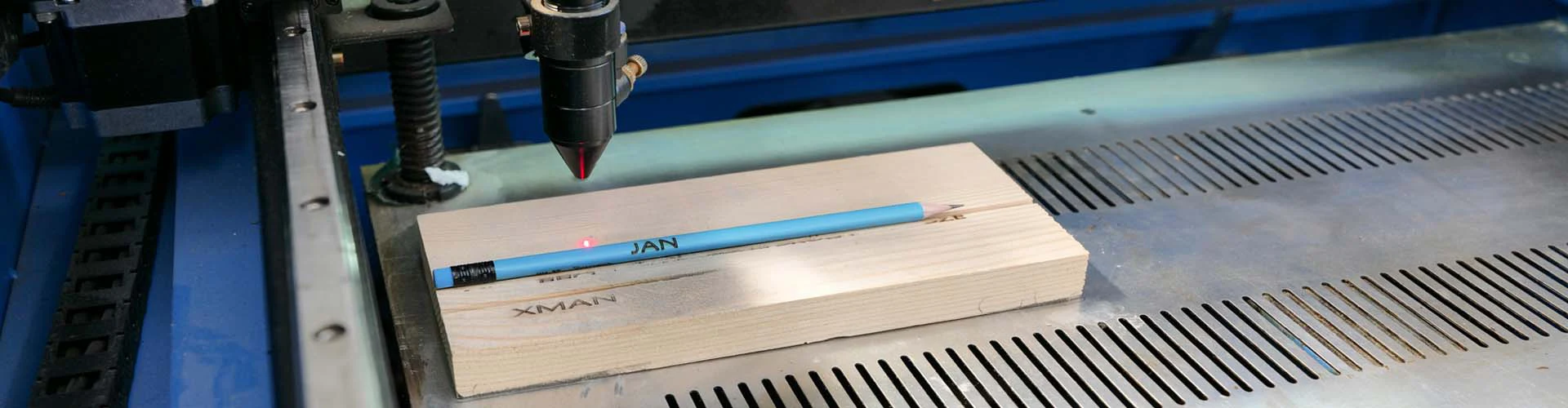
In the field of industrial manufacturing and customized production, non-metal laser cutting has already become a very mature and well-developed processing technology. For example, it is applied in the advertising and decoration industries for wood laser cutting, acrylic laser cutting, fabric laser cutting, and leather laser cutting; in addition, it is also applied in high-end manufacturing industries such as electronics and medical devices for film laser cutting, copper foil laser cutting, and plastic sheet laser cutting. Benefiting from the development of laser processing technology and the unique advantages of laser cutting such as non-contact processing, high precision, and high efficiency, laser cutting has become one of the irreplaceable processing technologies in the field of non-metal processing.
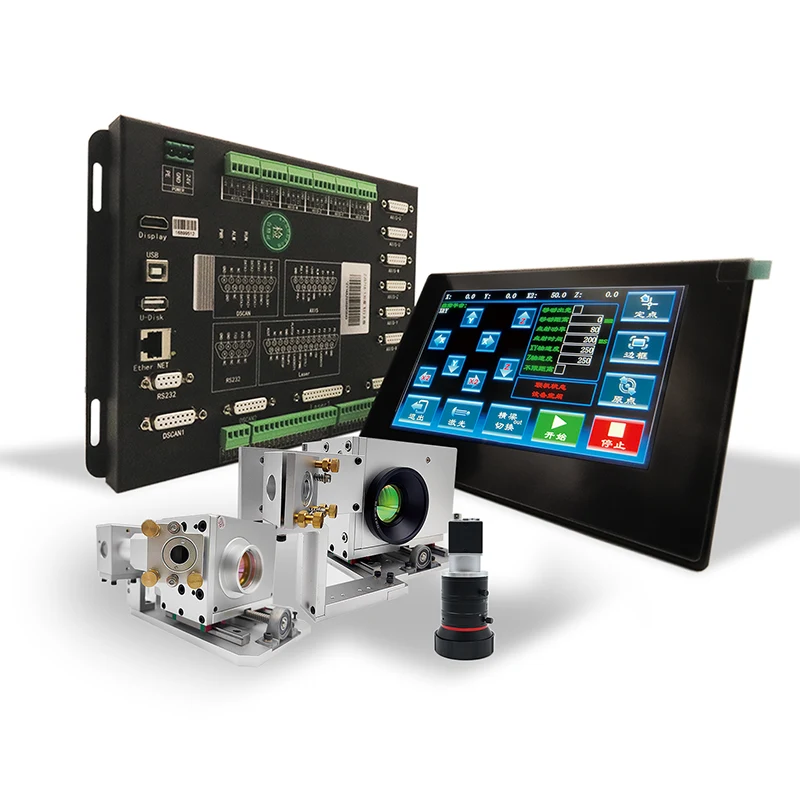
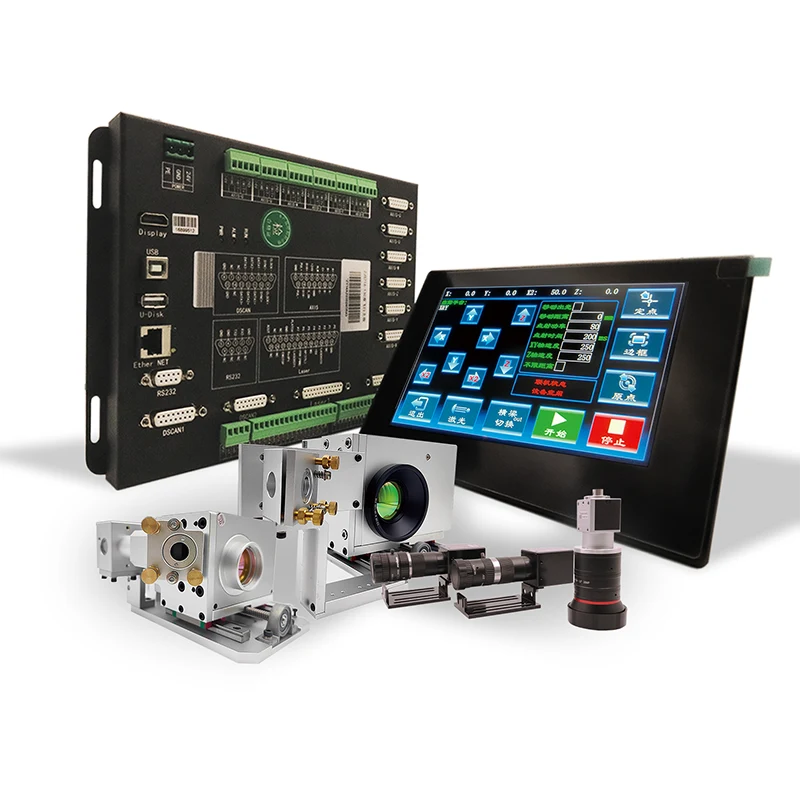
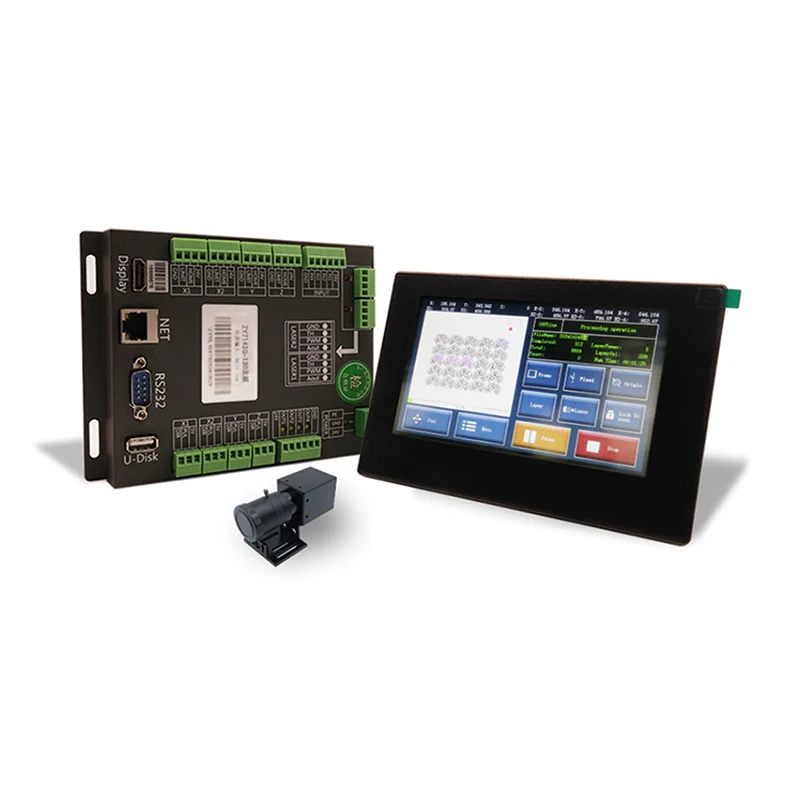
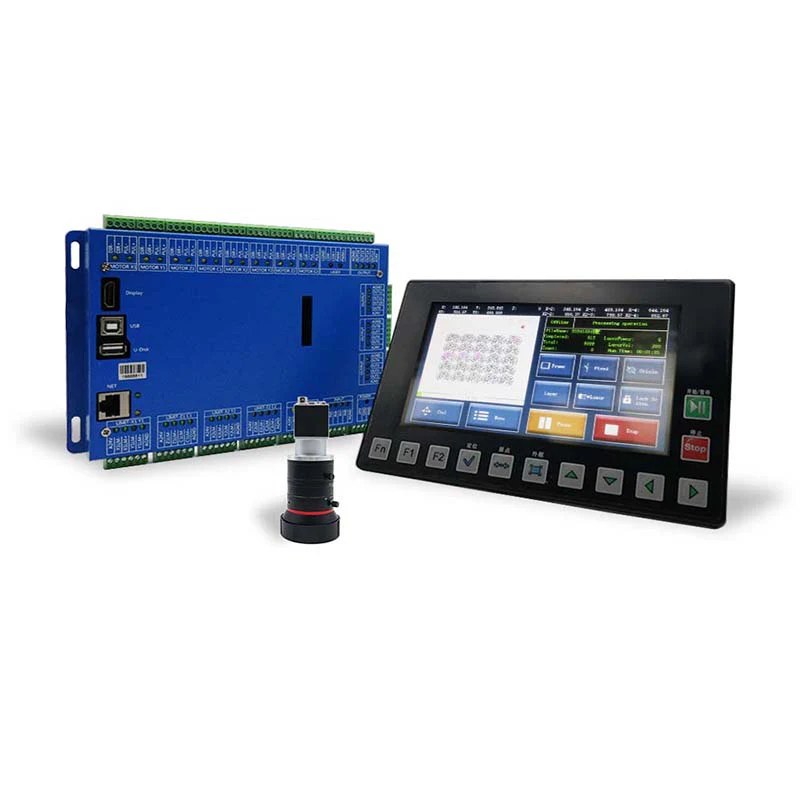
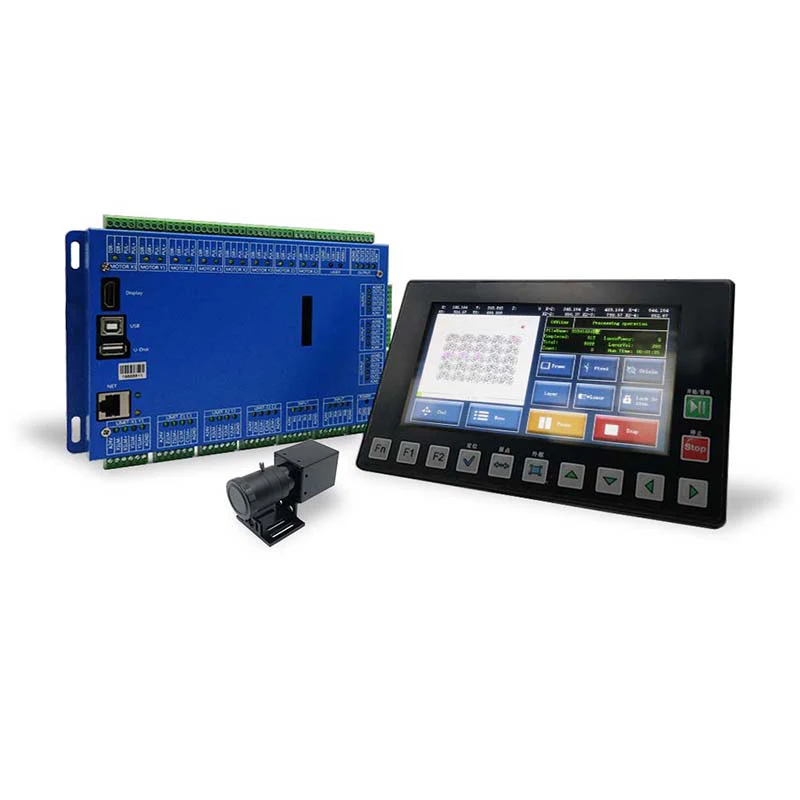
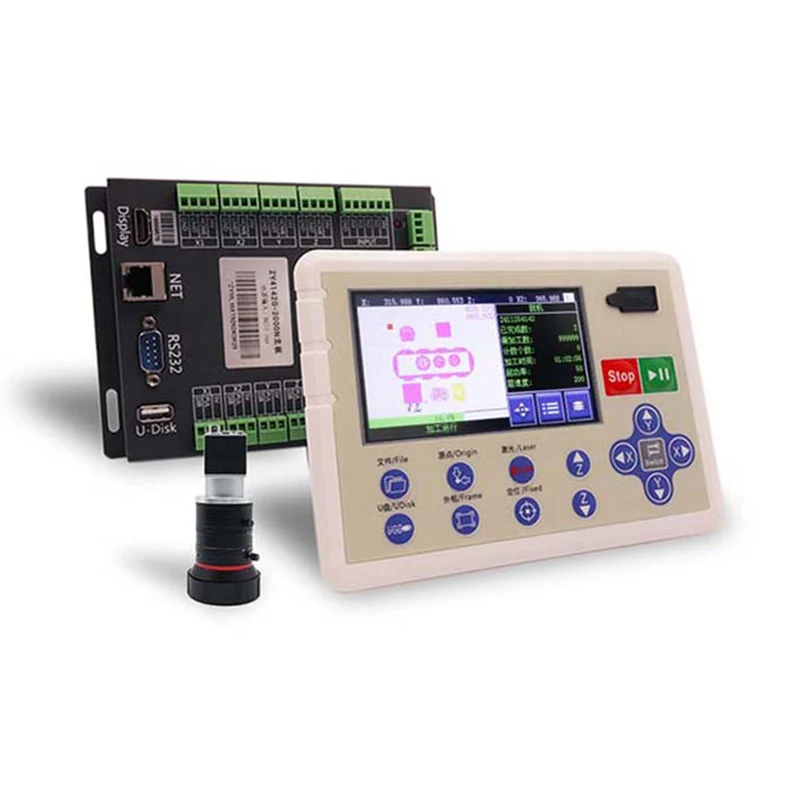
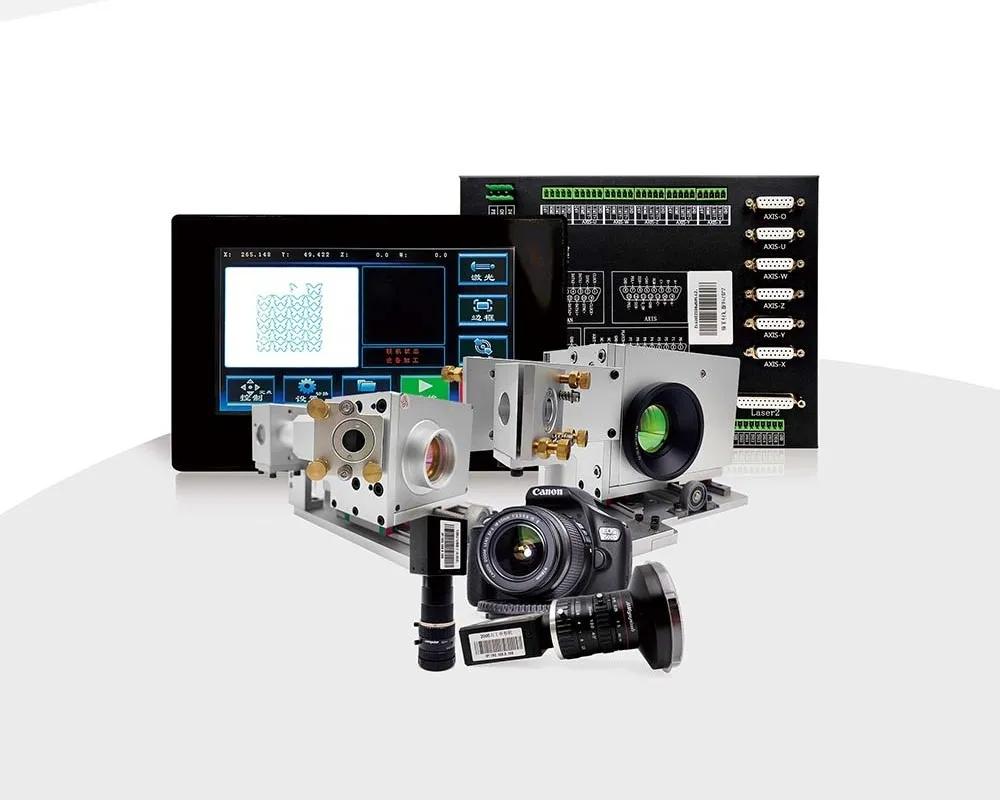
As one of the key links in laser cutting, the Laser Controller for Non-Metal Cutting directly determines the precision of non-metal processing, the quality of finished products, and production efficiency. If you are engaged in the field of non-metal processing or are preparing to enter this industry, then choosing an advanced laser control system will be one of your core investments. An advanced laser cutting controller can not only directly affect the processing quality of finished products, but also solve many problems in the production process, such as scrap rate, failures, and material adaptability. An advanced laser cutting control system can easily handle all of these issues.
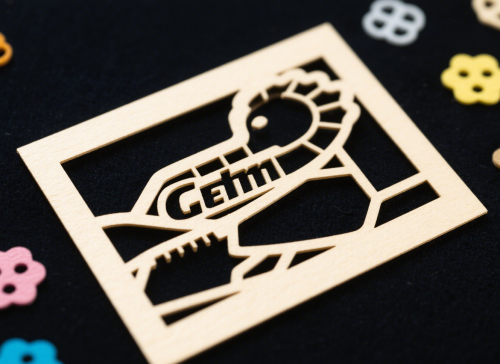
When selecting a laser cutting control system for non-metal materials, it is necessary not only to consider multiple aspects such as the functions, compatibility, stability, and maintenance cost of the laser cutting controller itself, but also to consider the characteristics and thermal response of different processing materials. The absorptivity, physical properties, and other characteristics of different materials are not the same, and these materials place different requirements on the performance, power–speed control capability, and other extended functions of the laser control system.
For example, organic composite materials with strong absorption, such as wood and plastics, require the laser control system to have strong power adjustment capability as well as coordinated speed and power control capability. Insufficient power adjustment may cause burning or carbonization at the processed area of the material. If the Laser Controller for Non-Metal Cutting does not have good speed and power coordination capability, it is easy to cause local burning or obvious carbonization at sharp corners during corner processing. When processing flexible materials such as fabrics and leather, it is necessary to choose a laser control board that can stably output low power, which can effectively prevent hardening or burning when cutting very thin flexible materials. A visual laser controller or a non-visual laser controller can also be selected according to the processing materials and processing requirements. For example, a laser cutting controller with vision can reduce errors caused by manual positioning.
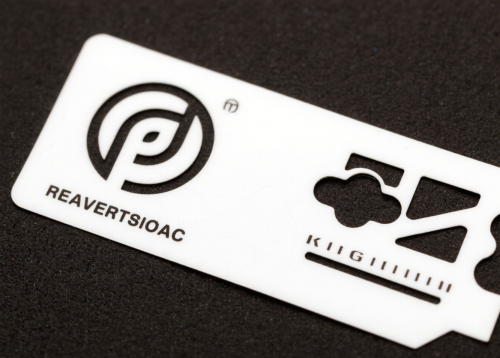
A good Laser Controller for Non-Metal Cutting has excellent motion control algorithms and path planning capabilities. In addition to improving overall processing quality, it can also respond flexibly to special processing situations such as corner processing and complex graphics, thereby ensuring finished product quality and yield rate.
In addition to selecting a Laser Controller for Non-Metal Cutting based on the characteristics of the processing materials, it is also necessary to consider the stability, maintenance cost, material applicability range, safety, and brand after-sales service of the laser control system. A wider range of material applicability determines whether an enterprise’s production capacity and business scope are scalable; good after-sales service is also an important factor when choosing a laser control system, as the brand’s after-sales service directly determines whether subsequent production and processing can be reliably guaranteed; the maintenance cost of the laser cutting controller is directly related to actual production and processing costs, and lower maintenance costs can reduce production costs and increase enterprise profits; whether the laser cutting controller has good stability and safety is directly related to production continuity and operator safety. Improved continuity can increase production efficiency, and processing safety can also promote the long-term development of the enterprise. These are all indispensable elements in production and processing. Although advanced laser control board require a relatively large initial investment, their good stability and low failure rate can reduce additional costs caused by downtime and rework during processing, and from a long-term perspective, they help to improve enterprise profits.

Shenzhen Shenyan's laser control system have gained widespread recognition in the industry for their superior performance and excellent stability. Whether upgrading existing laser equipment or selecting a laser control system for new equipment, Shenyan's laser controller are the ideal solution for non-metallic laser processing.