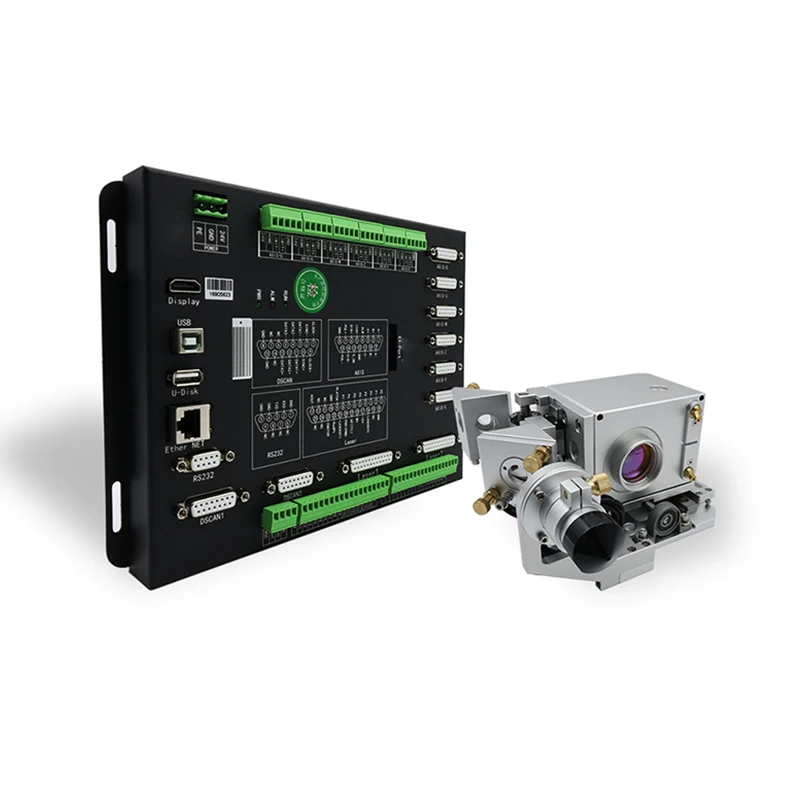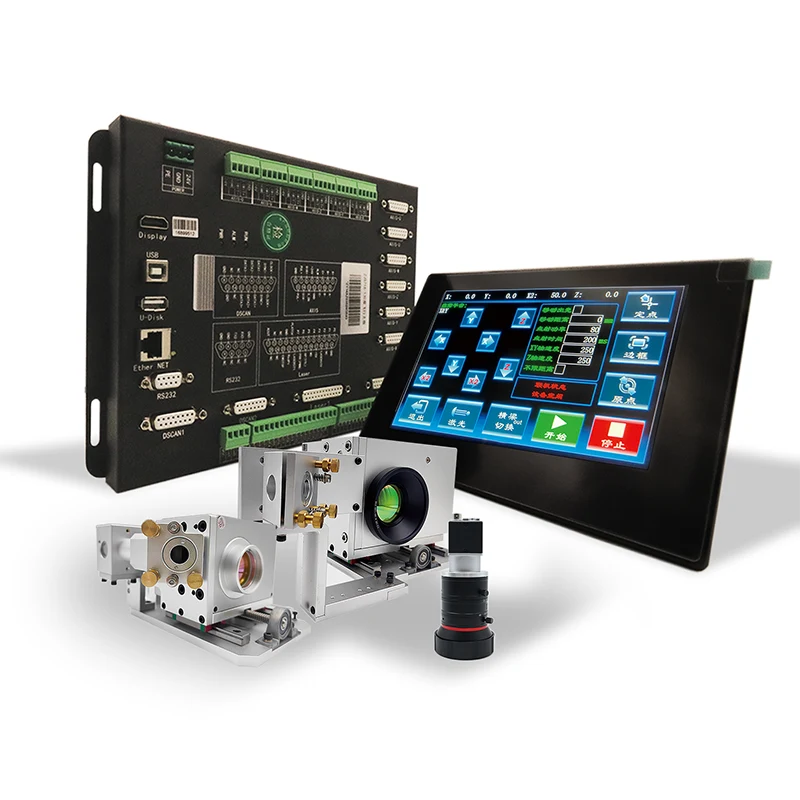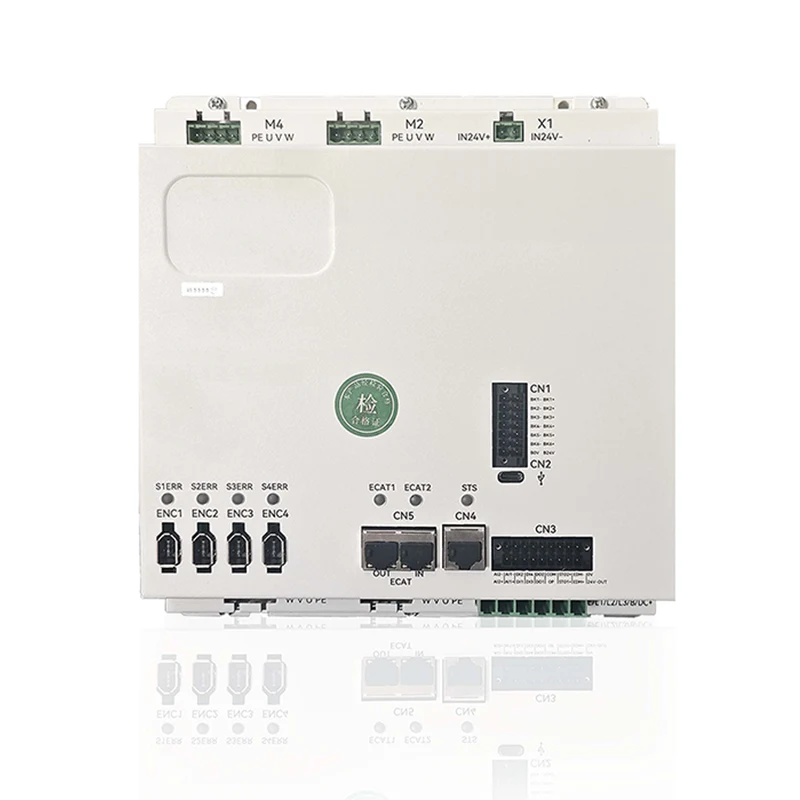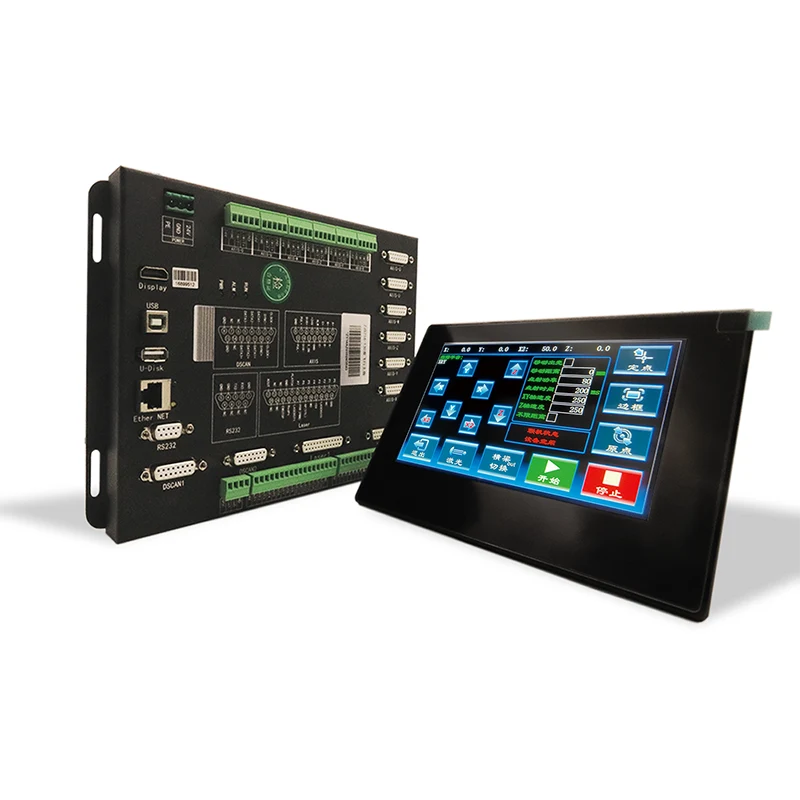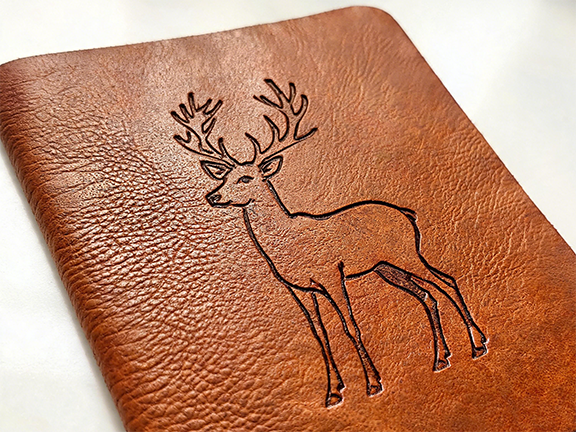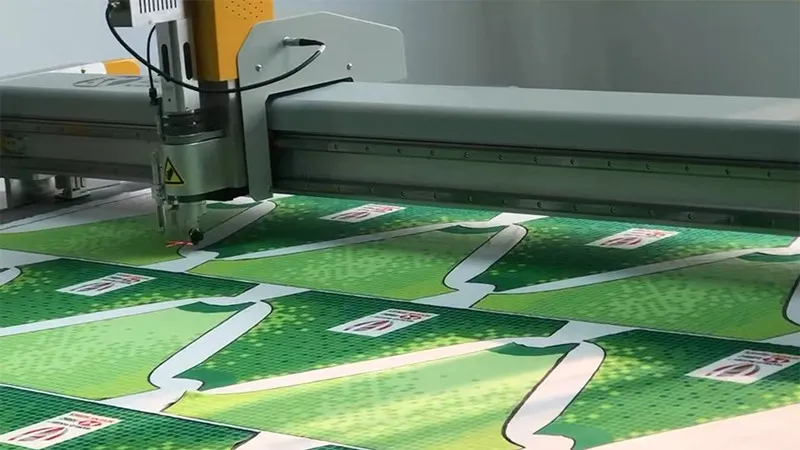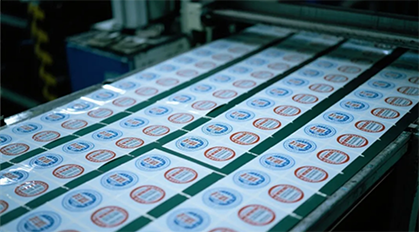
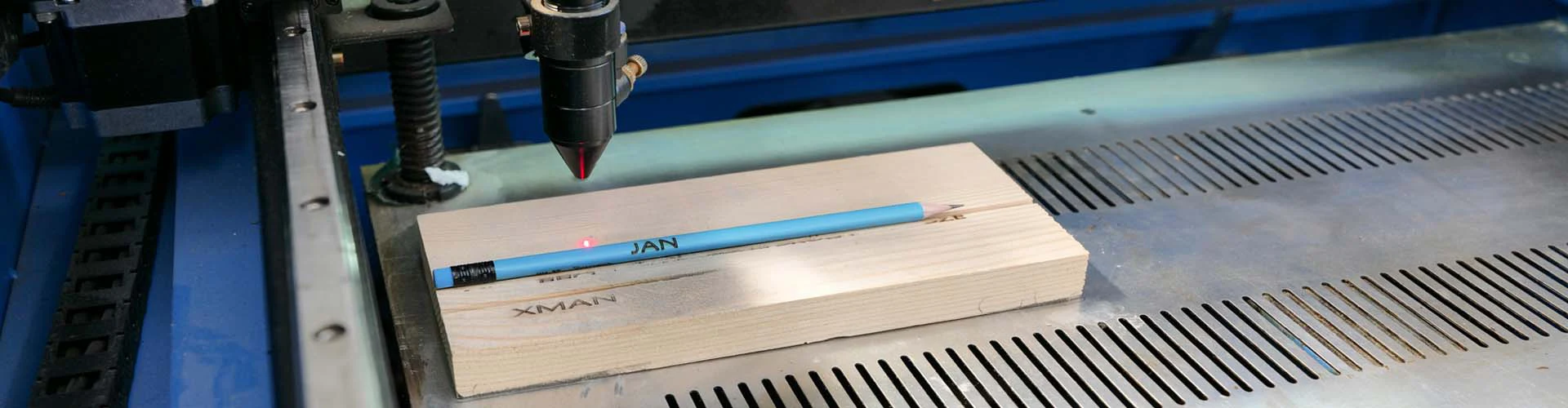
The method of using a high-energy laser beam to process textile fabrics is called textile fabric laser processing. In daily life, embroidered fabrics and garment cutting are inseparable from fabric laser cutting; some breathable sportswear and fine hollow patterns benefit from laser punching for textiles; the complex patterns and fade-resistant brand markings on certain high-end garment fabrics rely on the precise processing of textile laser marking and laser engraving. Due to a series of characteristics such as non-contact processing, digitalization, high precision, and high efficiency, textile laser processing systems have already become a very widely used and mature processing method in industries such as apparel, home textiles, and decoration.
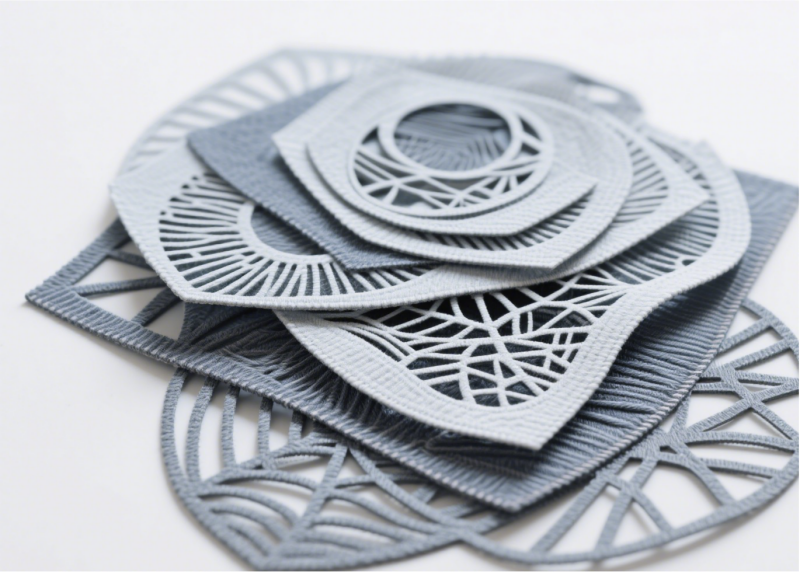
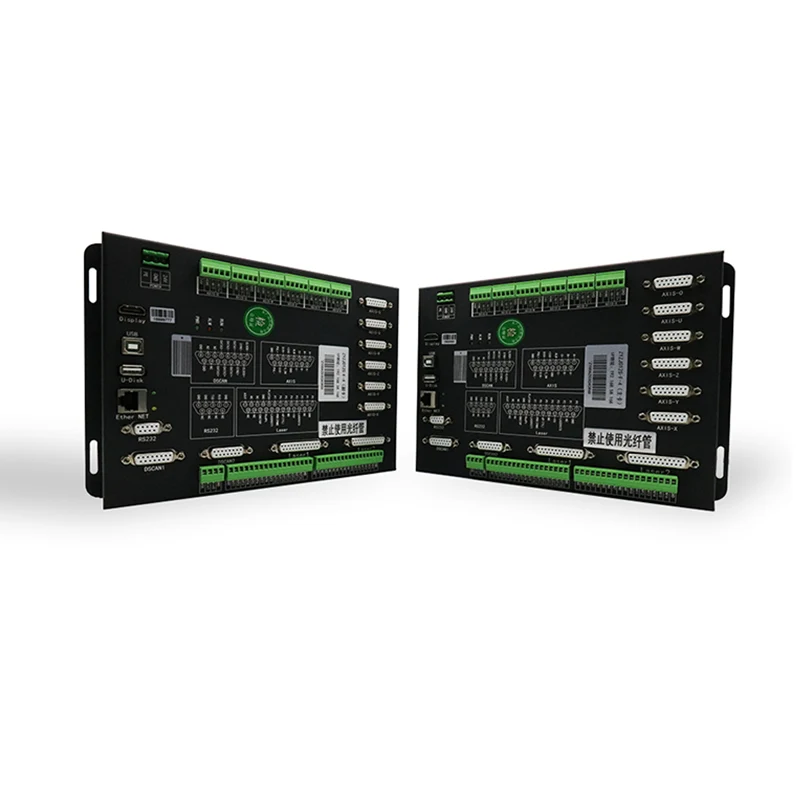
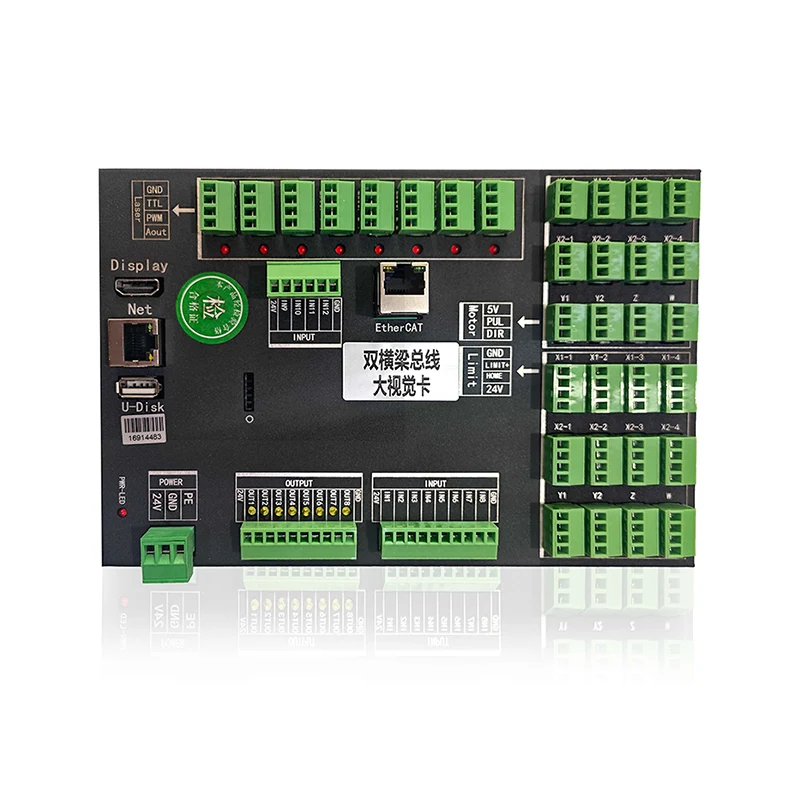
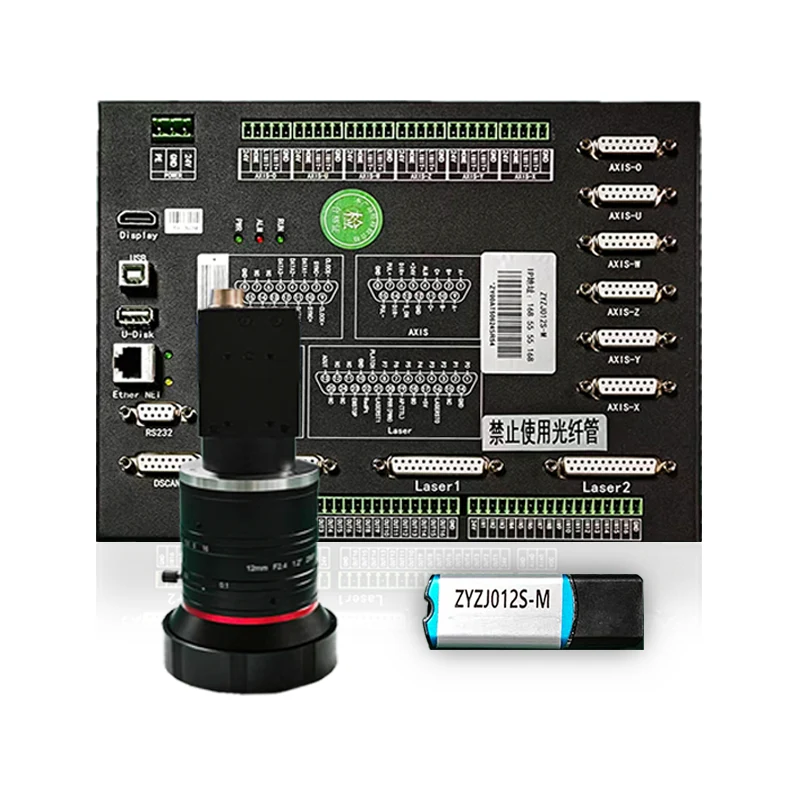
The laser control system for textile laser processing, as the core system of laser fabric processing, affects the quality of finished products, yield rate, and processing accuracy. CO₂ laser controllers for textile fabrics are currently the mainstream option with relatively high cost performance, applied in non-metal laser processing systems for textile fabrics. They can process a wider range of textile and fabric materials, and their cost is far lower than that of UV lasers. For fabric laser cutting, engraving fine textile patterns, and garment processing, CO₂ laser control systems can be perfectly adapted.
If your requirement is the mass processing of conventional fabrics, a CO₂ laser controller for textile processing will be an appropriate choice. If the task involves products with extremely high precision requirements or functional decorative processing, a UV laser controller for textile applications, which has high precision and cold-processing characteristics, will be the preferred option. In addition to selecting different laser controllers based on fabric types, one can also choose an advanced textile laser control system based on stability, expansion functions, processing accuracy, and so on.

Taking the CO₂ laser control system for textile fabric processing as an example, having high-speed interpolation algorithms and high-resolution position feedback capability is a must for an advanced laser control system. This enables smooth fabric laser cutting and engraving without broken lines or edge scorching when handling complex patterns or fine hollow textile structures, ensuring faithful reproduction of the processed design. Since CO₂ laser controllers belong to thermal processing, the laser control system for textiles also needs to have good dynamic laser power adjustment capability and energy compensation capability in acceleration and deceleration zones. This can effectively prevent carbonization and blackened edges on processed fabrics. An advanced textile laser control system also needs to maintain good stability during high-speed operation, as good stability ensures production continuity. In addition, advanced laser control systems have strong adaptability to multiple textile materials and multiple fabric processing techniques to meet different processing requirements.
A high-performance laser controller for textile processing determines the upper limit of textile fabric laser processing. Its role in textile laser cutting and engraving is not merely reflected in the ability to accurately process design patterns, but more in whether it can achieve stable, consistent, automated, and large-scale textile production capability. Compared with merely cutting accurately, more attention should be paid to processing precision, maintenance cost, and the ability for continuous large-scale production in the garment and textile industry.
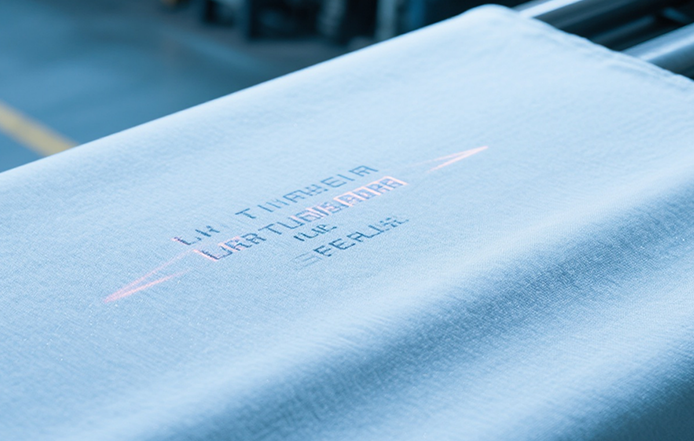
In addition to selecting a CO₂ laser controller for fabric cutting based on the characteristics of processing materials, one also needs to consider the stability of the textile laser control system, maintenance cost, material applicability range, safety, and brand after-sales service. A wider range of textile material applicability determines the scalability of enterprise production capacity and business scope; good after-sales service is also an important factor in choosing a laser controller manufacturer, as brand after-sales service directly determines whether subsequent textile production and processing can be reliably guaranteed; the maintenance cost of a laser cutting controller for textiles is directly related to actual production and processing costs, and lower maintenance costs can reduce production costs and improve enterprise profits. The stability and safety of the textile laser cutting controller are directly related to production continuity and operator safety. Improving production continuity can enhance production efficiency, and processing safety also contributes to the long-term development of the enterprise. These are all indispensable elements in textile production and processing. Although advanced laser control boards require a relatively large initial investment, their good stability and low failure rate can reduce additional costs caused by downtime and rework during textile processing, and in the long term, help improve enterprise profits.
Shenzhen Shenyan’s laser control system have gained wide recognition in the industry for their outstanding performance and excellent stability. Whether upgrading existing laser equipment or selecting a laser control system for new equipment, Shenyan laser controller are an ideal solution for non-metal laser processing.