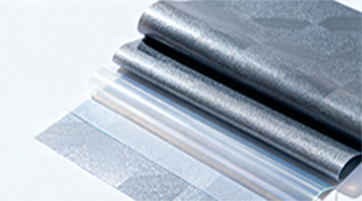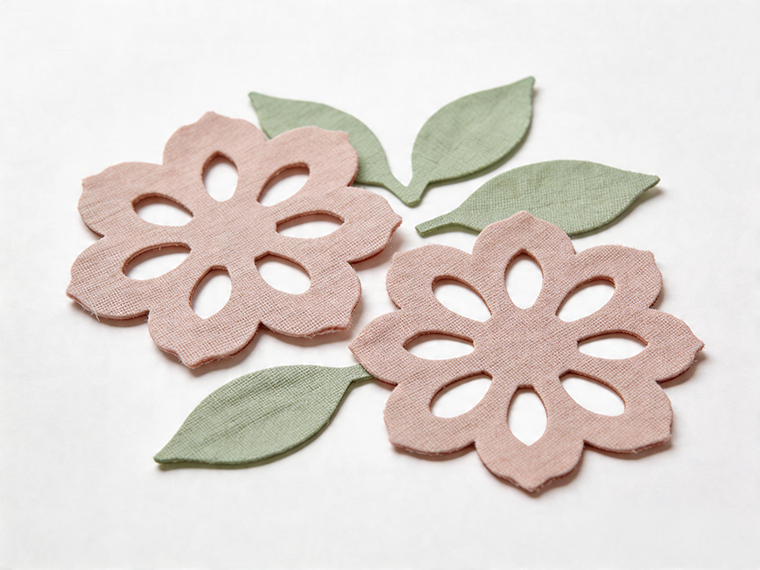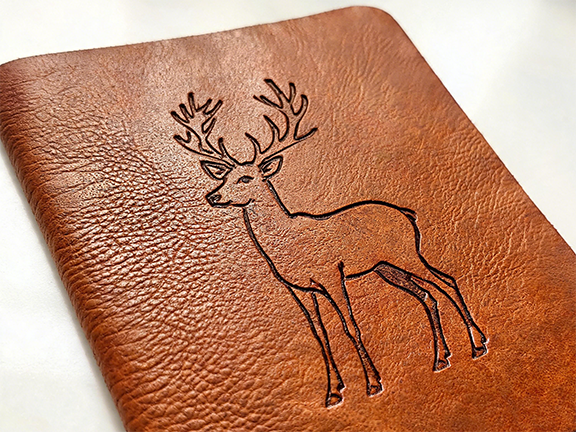
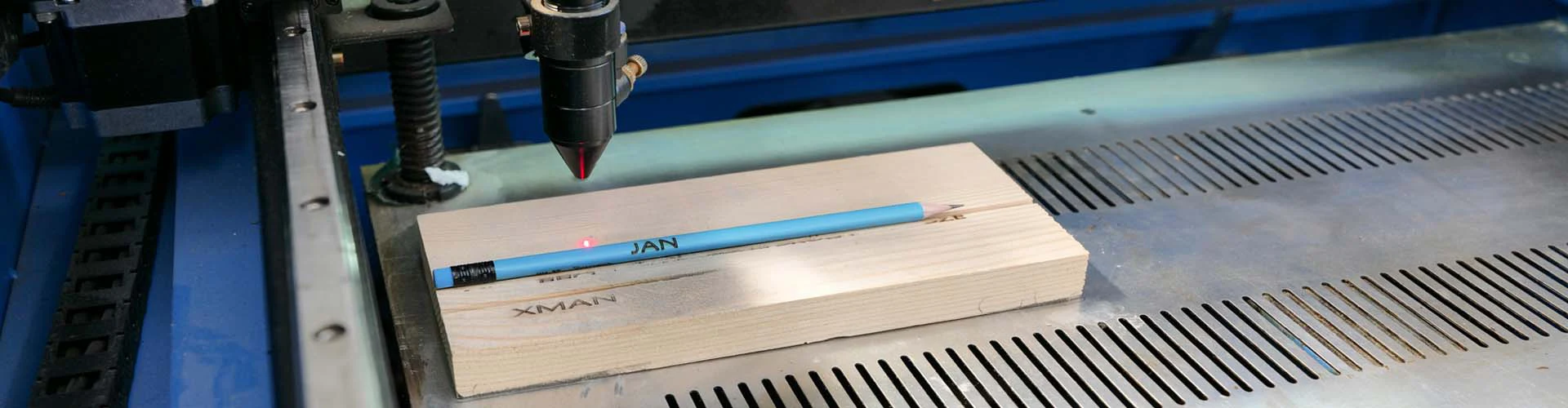
Pressure-sensitive adhesive (PSA), as a material widely used in packaging, labels, decoration, electronics, and other fields, is not only convenient to use but also has extremely high flexibility and deformability. From both decorative and practical perspectives, PSA has extremely high value. In PSA processing, laser processing has significant advantages in certain scenarios.

Laser processing does not require die-cutting, which can significantly reduce upfront costs. Traditional die-cutting not only has high die-making costs but is also difficult to modify; small-batch customized processing is costly and time-consuming. Laser processing can be fully digitalized, and design files can be modified with one click. For small-batch customized processing needs, laser processing has lower processing costs and higher efficiency than traditional die-cutting. When dealing with some irregular and complex shapes, laser processing is not limited by molds, and its processing accuracy is higher than that of die-cutting.
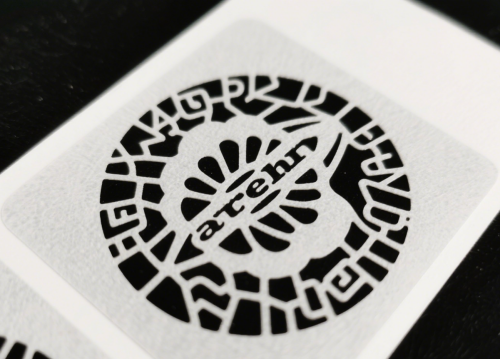
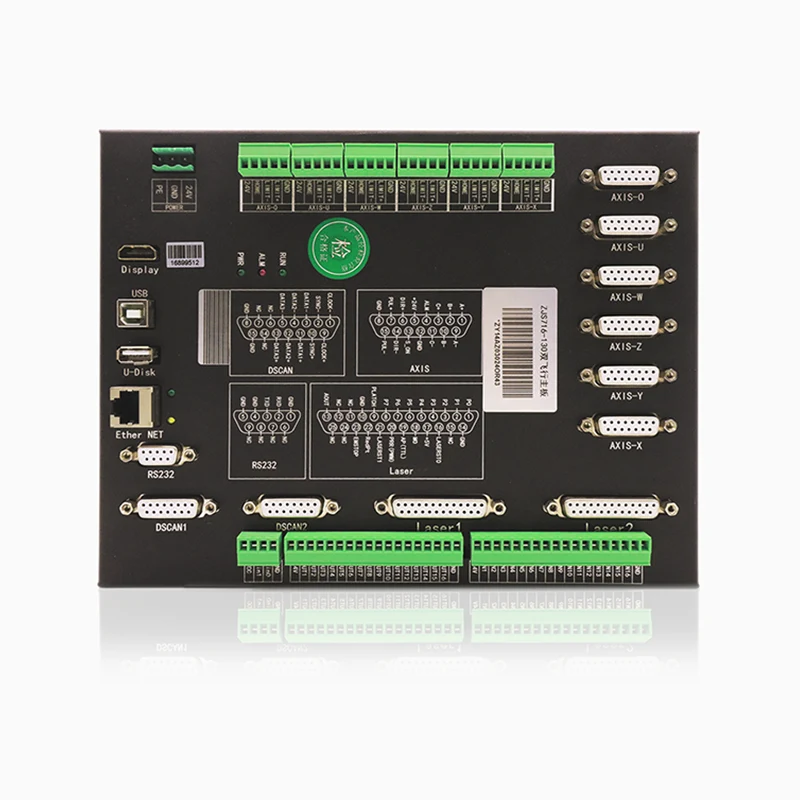
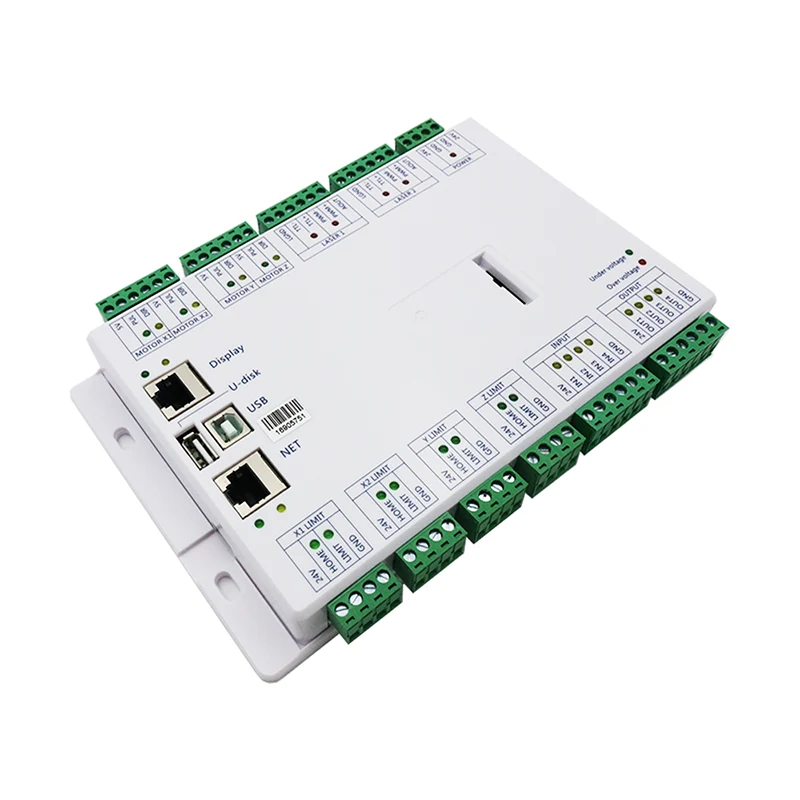
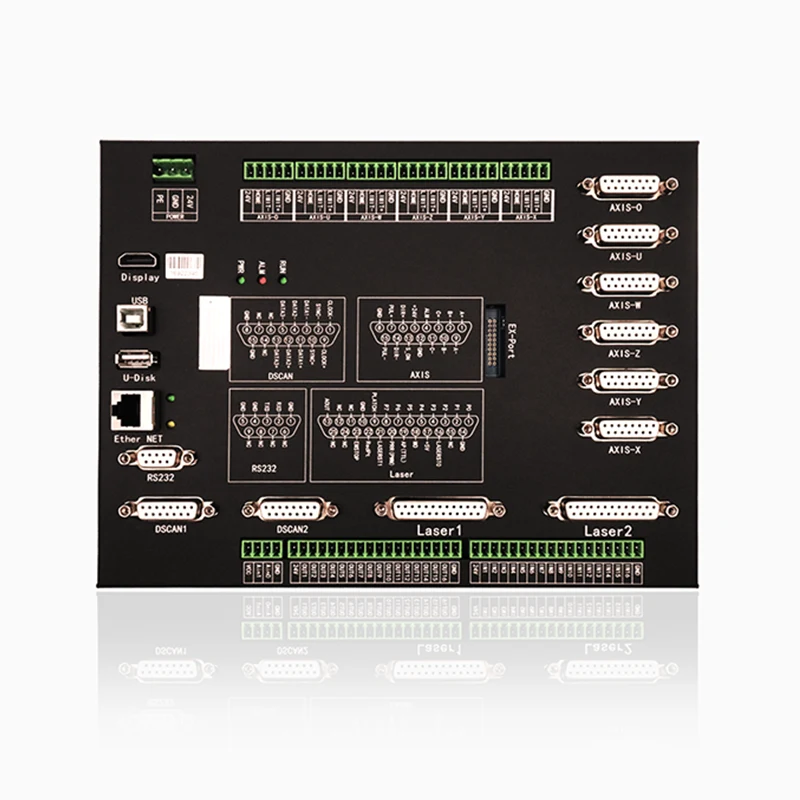
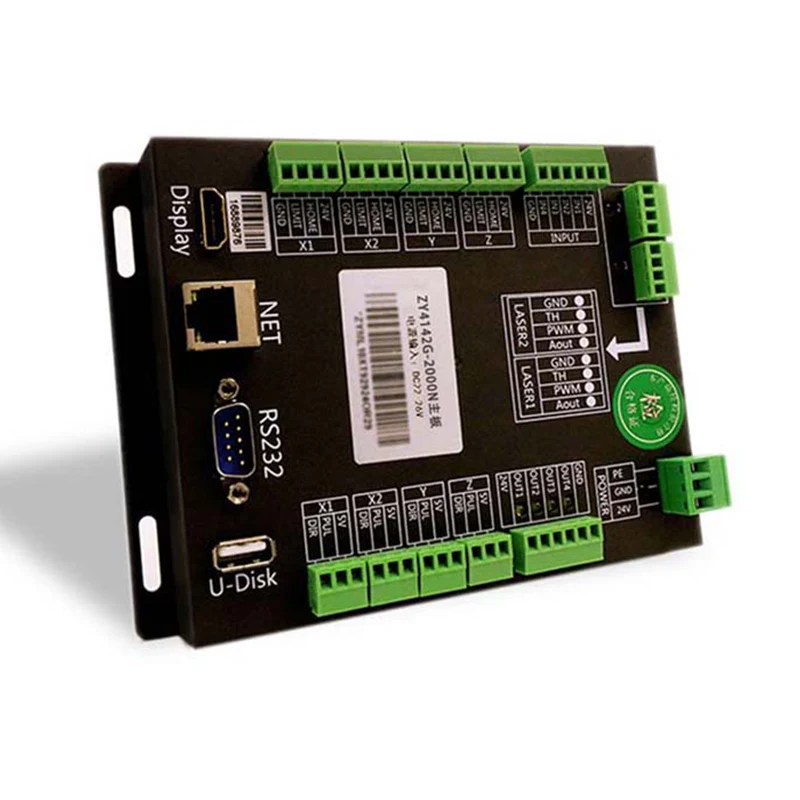
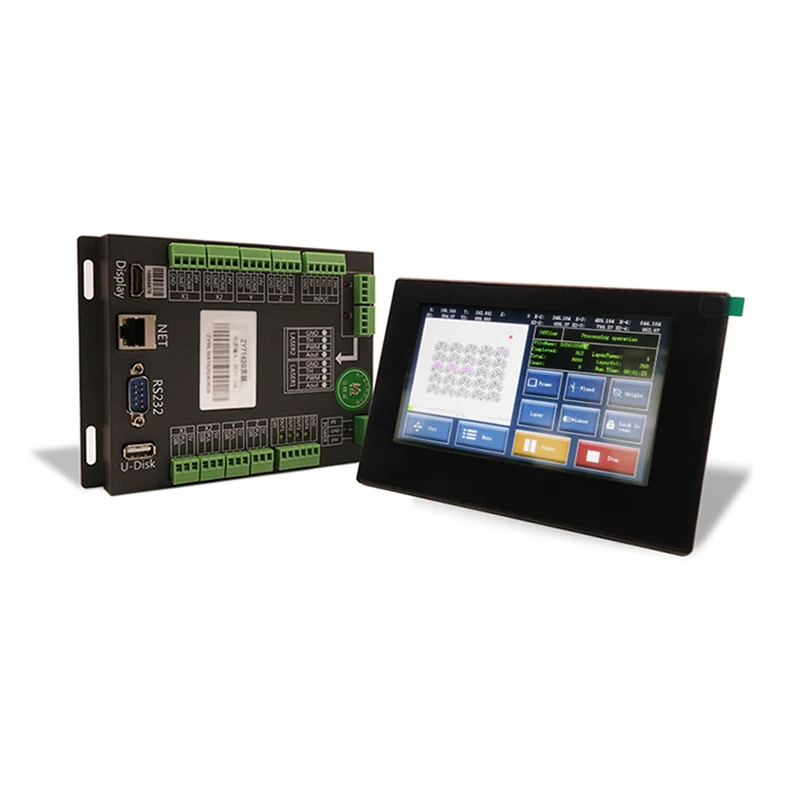
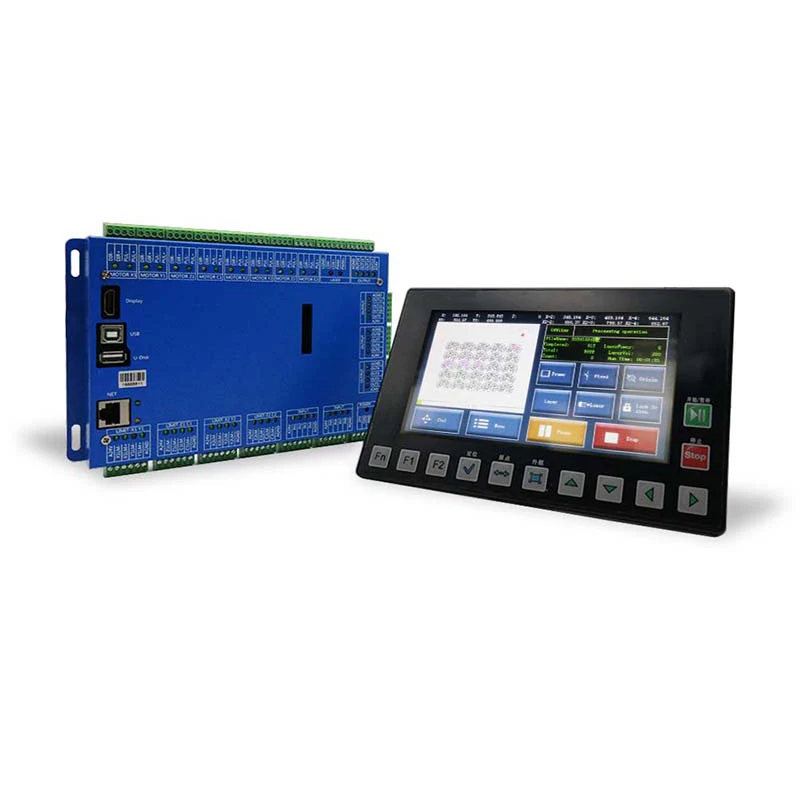
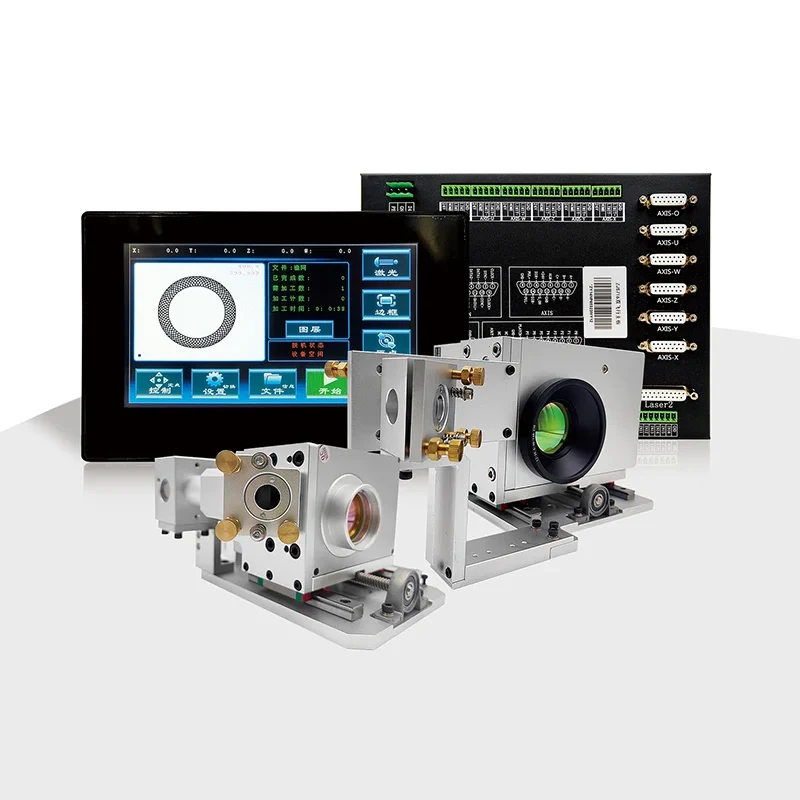
The laser control system is one of the core factors determining PSA cutting. In PSA cutting, cutting through is often not the core goal; the core difficulty in laser cutting PSA is to cut through the face material while ensuring that the backing paper is not cut. This requires the laser control system to have high-precision power adjustment capability and consistent energy output at high-speed processing. The laser control system also directly affects the edge quality of PSA cutting.
A good laser control system can ensure clean cut edges and minimal heat on the adhesive layer. In PSA processing, the laser control system is usually coordinated with a vision system, requiring high-precision positioning and registration capabilities to avoid overcutting or uneven gaps. Advanced laser controllers also have good stability and material adaptability.
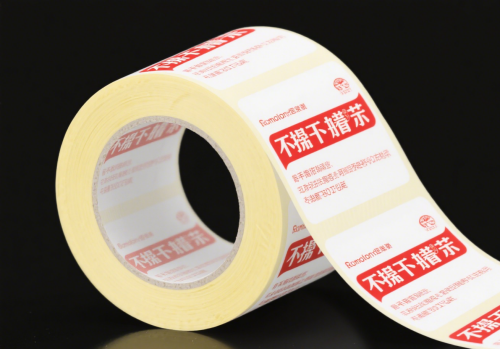
In PSA laser processing production, the laser controller is one of the key factors in production competitiveness.