As one of the most important industrial raw materials, copper foil has multiple advantages such as excellent electrical conductivity, thermal conductivity, and ductility. Due to the continuous growth of market demand for energy and the rapid development of the information age, demand for copper foil in high-end manufacturing continues to increase; for example, copper foil is present in multiple industries such as chip packaging, batteries, and PCBs.Copper foil is no longer used merely as a circuit interconnection material, but has become a key raw material supporting the two core industries of information industry.
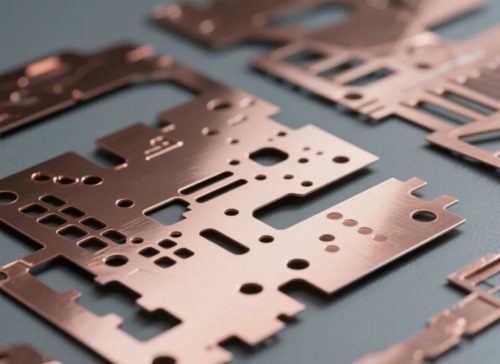
The development of copper foil toward high-end, ultra-thin, and high-precision has become an inevitable trend. In such high-end manufacturing application scenarios, the advantages of laser cutting are particularly significant. Traditional mechanical processing easily generates mechanical stress that causes material damage. For example, ultra-thin copper foil used in lithium batteries is highly prone to tearing and deformation due to mechanical processing, and such microscopic damage can, to a certain extent, affect battery life and performance. In addition, mold manufacturing has a long production cycle and high modification costs, making it difficult to flexibly adapt to changes in processing patterns. Chemical etching involves complex processes, has limited material compatibility, and its manufacturing method seriously deviates from the concept of green manufacturing.
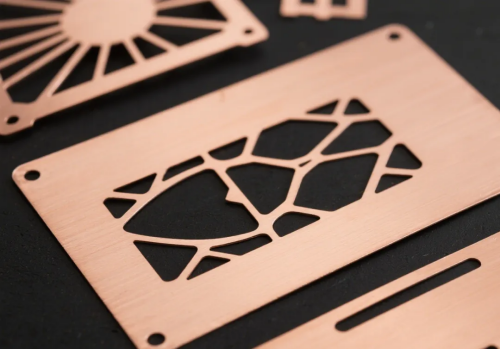
Laser processing, on the other hand, is a non-contact process with no mechanical stress, which can effectively avoid damage to the processed material and ensure the safety and integrity of the finished product, especially suitable for processing ultra-thin copper foil used in batteries. Extremely high processing precision enables laser cutting to perform complex pattern cutting and micro-hole processing on copper foil, well meeting the requirements of circuit boards or electronic devices with complex patterns. Moreover, laser cutting is based on digital graphic processing, which is easy to modify and store, making it very suitable for customized and small-batch production modes, and enables immediate traceability of processing data, greatly reducing R&D and trial-and-error costs.
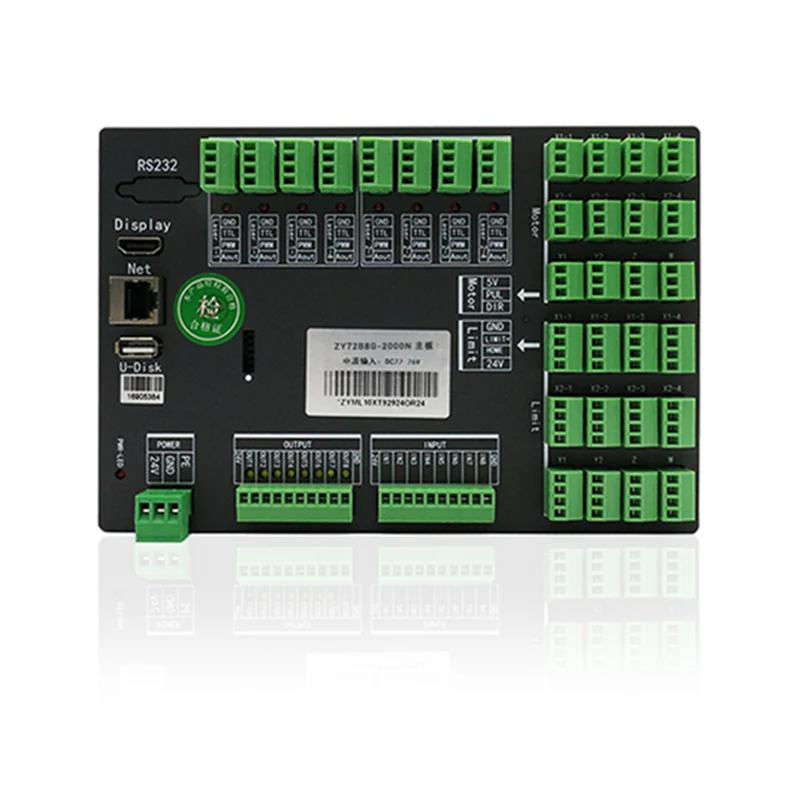
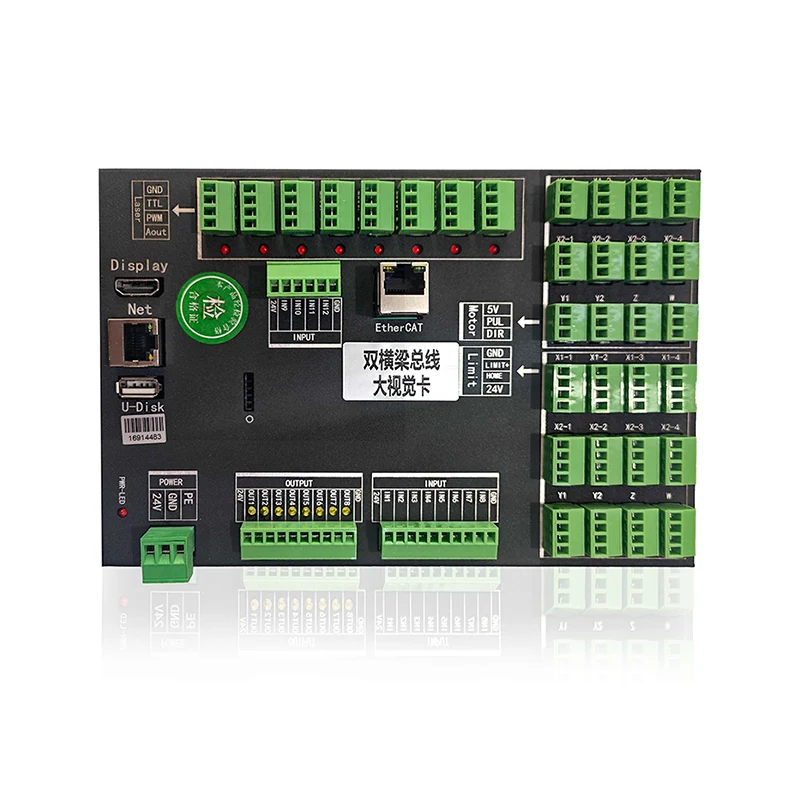
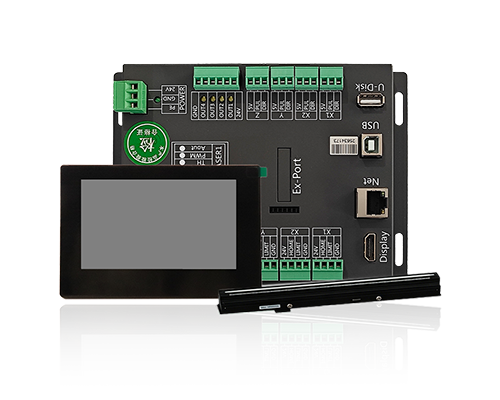
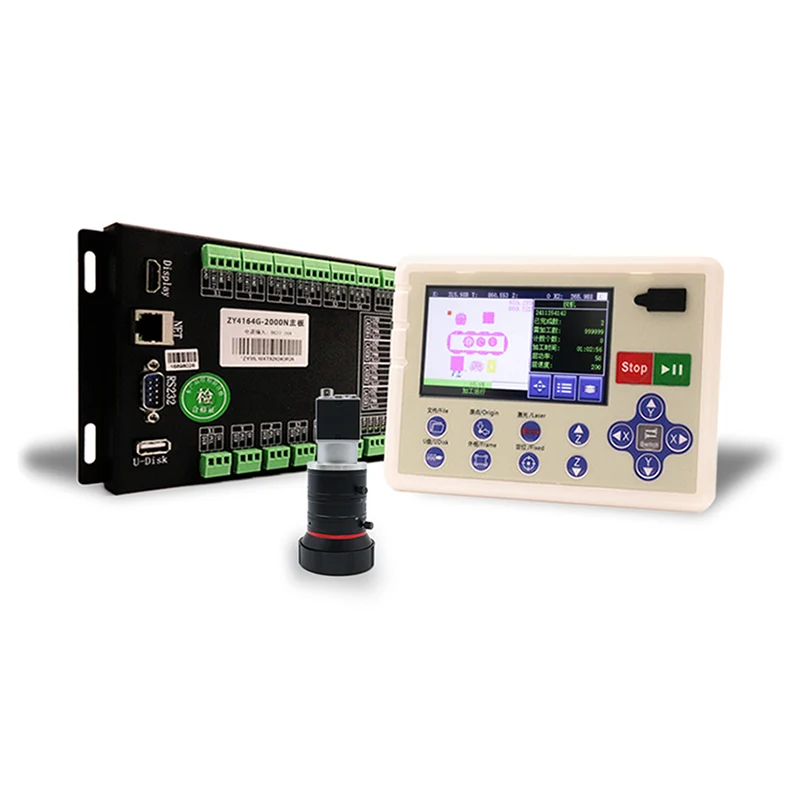
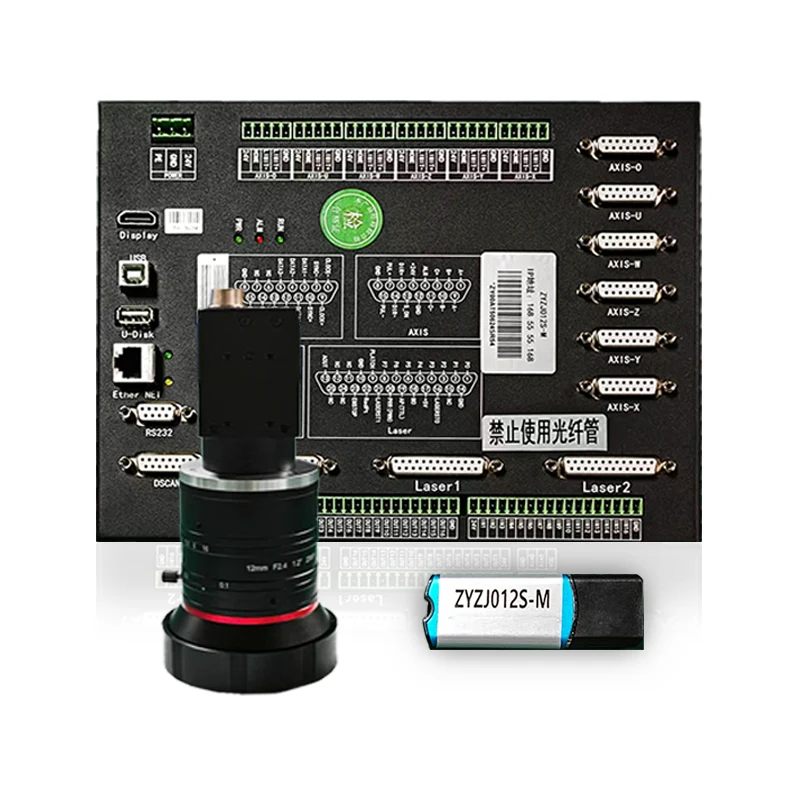
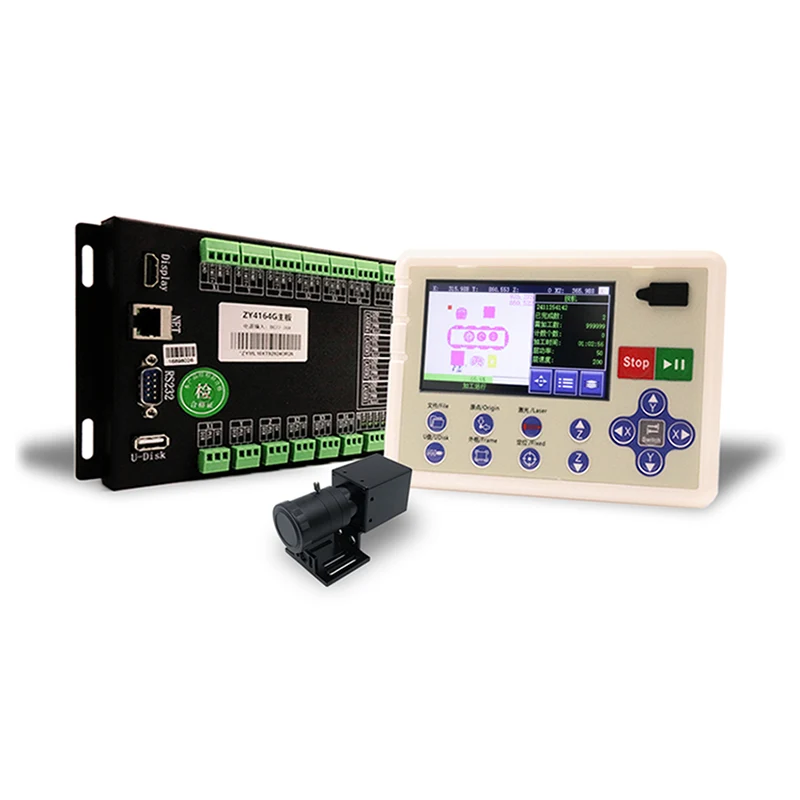
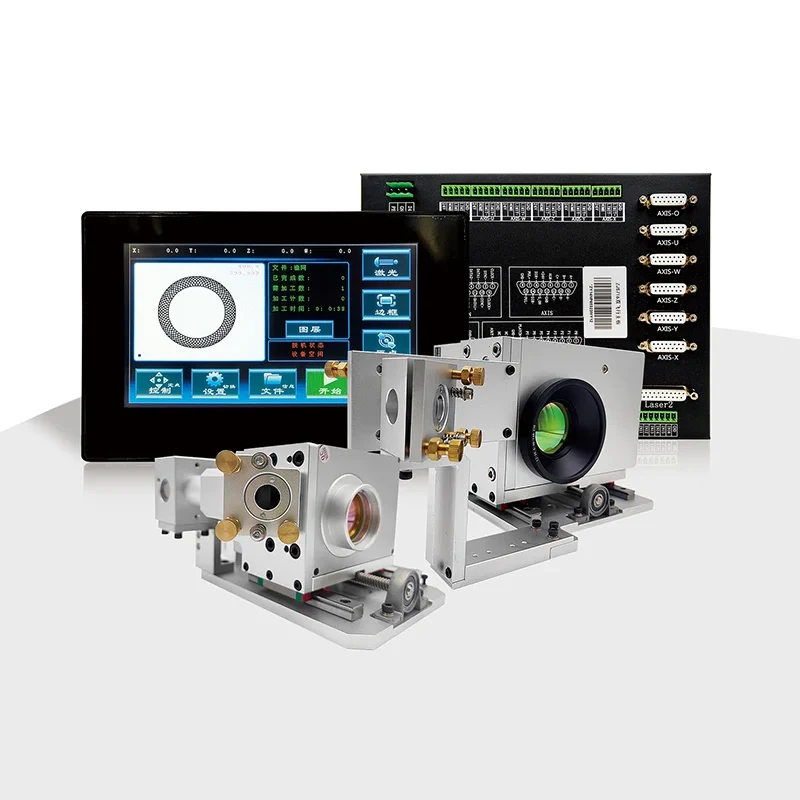
Copper foil used in high-end manufacturing typically has characteristics such as extreme thinness and flexibility. This type of copper foil places very high demands on processing precision and stability in order to ensure high quality and a high yield rate of finished products. The galvanometer dual flying vision control system developed by Shenyan —ZJS716-130—provides a solution for high-precision processing of copper foil.

This laser control system adopts galvanometer and XY gantry flying linkage technology, combined with precise visual positioning and graphic recognition functions, enabling accurate cutting and engraving of ultra-large-format graphics.
Automatic galvanometer correction can quickly complete galvanometer calibration. With 16 GB of large storage capacity, it supports offline operation and the storage of a large number of processing programs.
This laser control system integrates encoder technology and adopts an interferometer data compensation mechanism. In addition, this laser control system supports manual adjustment of local galvanometer correction parameters, flexibly optimizing local processing accuracy. At the same time, this laser control system supports compensation for possible errors during processing, ensuring that ultra-high consistency can still be maintained during long-term continuous operation.
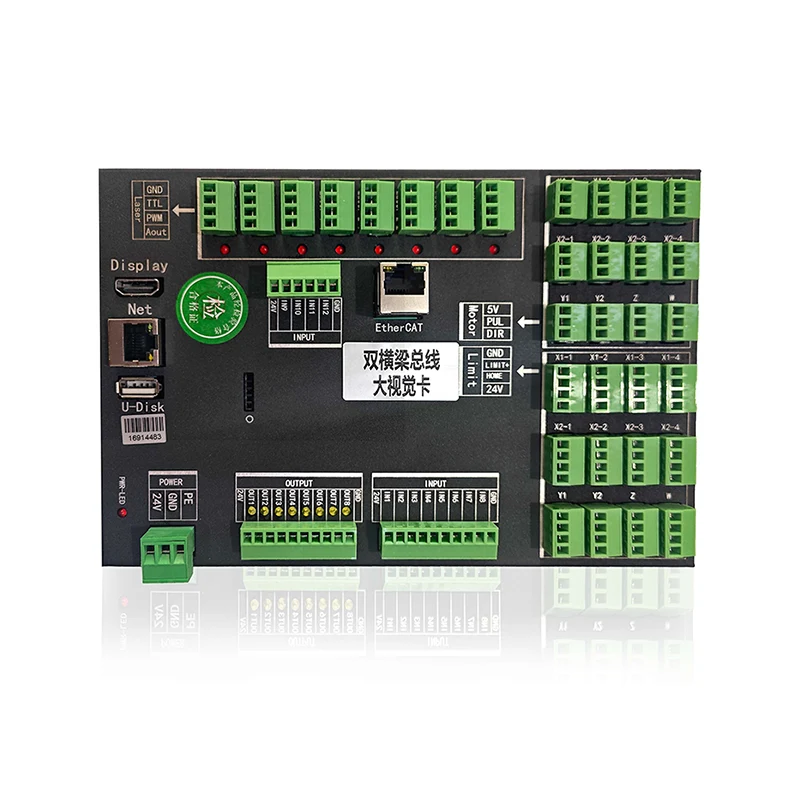
This laser controller also supports the newly developed EtherCAT control system from ShenYan. Traditional pulse control has relatively complex wiring and lower stability, while EtherCAT control not only simplifies wiring but also reduces wiring to enhance reliability and stability. In addition, the EtherCAT system can improve anti-interference capability and effectively avoid stuttering and step loss.
This laser control system has good compatibility and can support multiple types of lasers, including ultraviolet lasers, CO₂ lasers, and fiber lasers. Compatibility with multiple laser types not only meets the requirements of different materials and processes, but also effectively improves the adaptability, scalability, and market competitiveness of laser equipment.
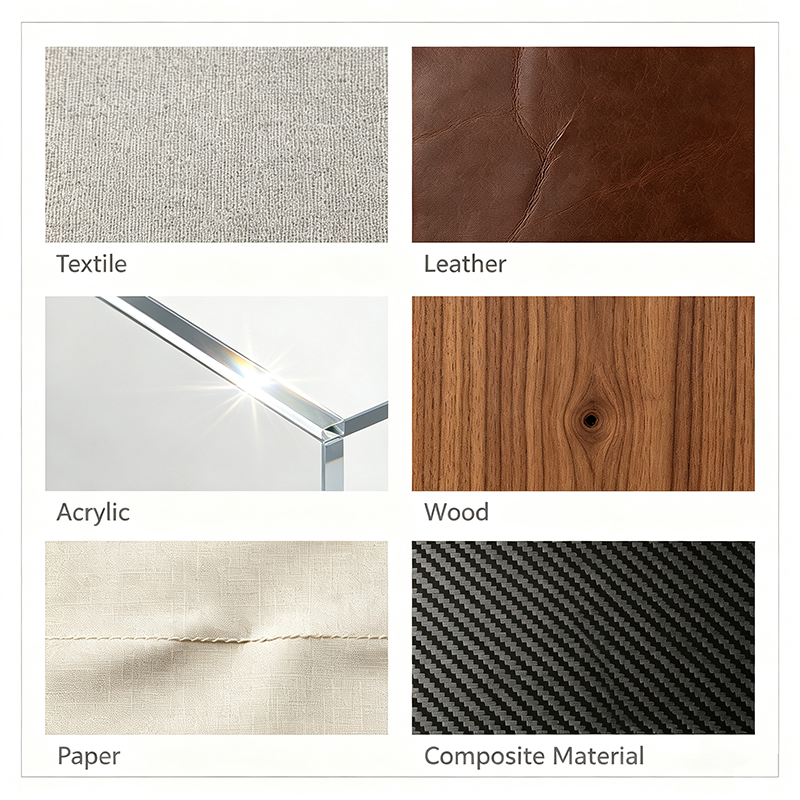
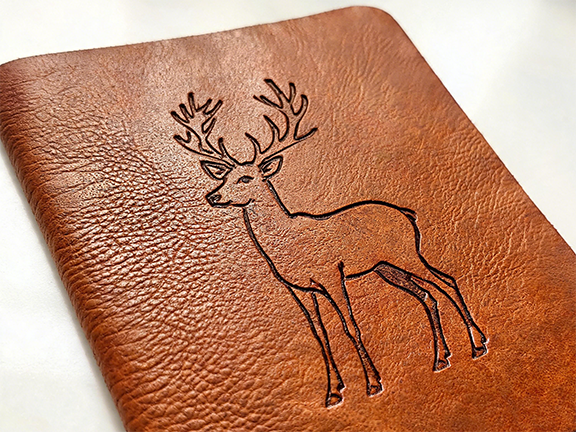
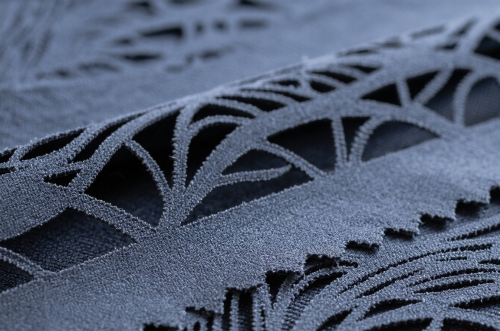
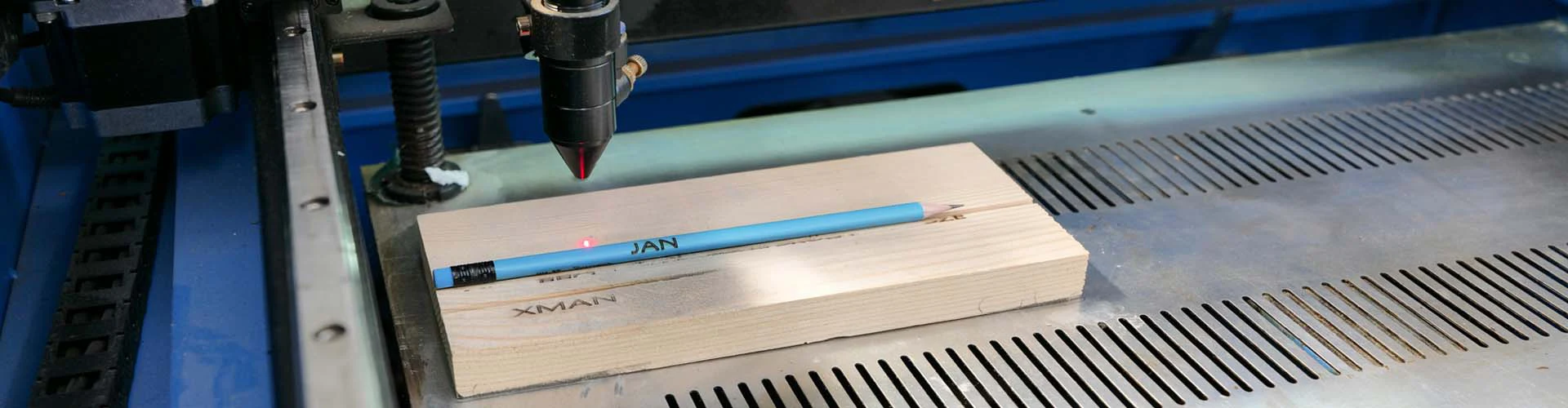
This laser controller can be used in the following processing fields: copper foil, Omobile phone protective films, silicon wafers, films, circuits, leather, PU leather, fiber composite materials, paper, wood, and other materials,touch screen cover glass, OLED flexible screens.