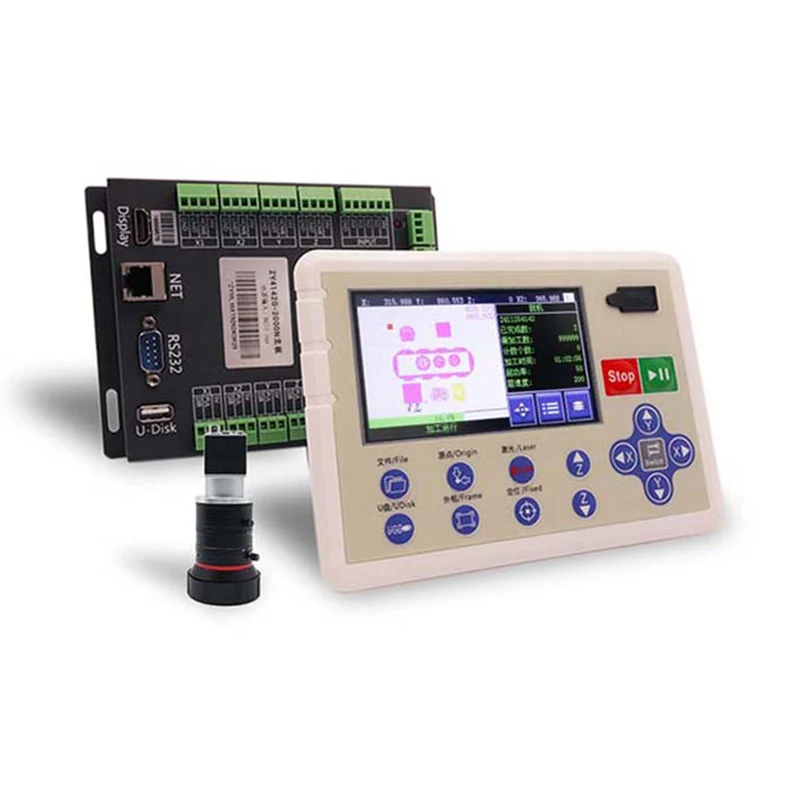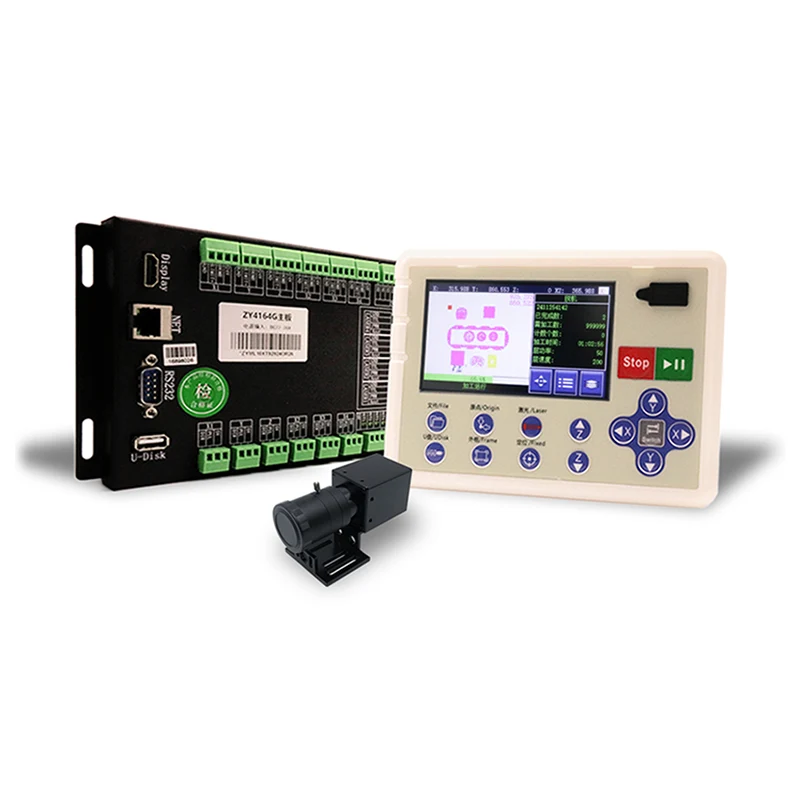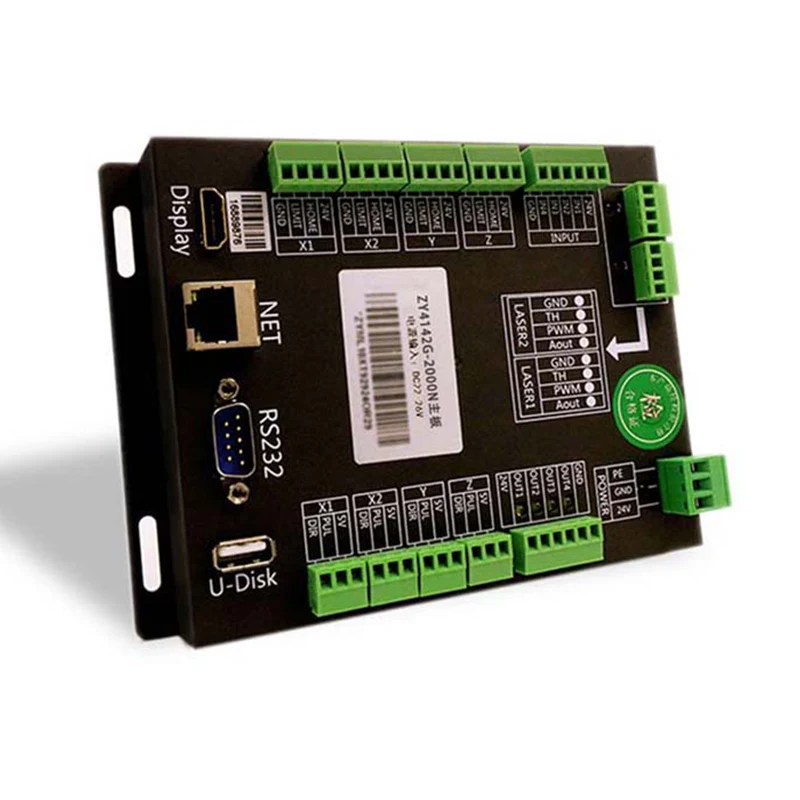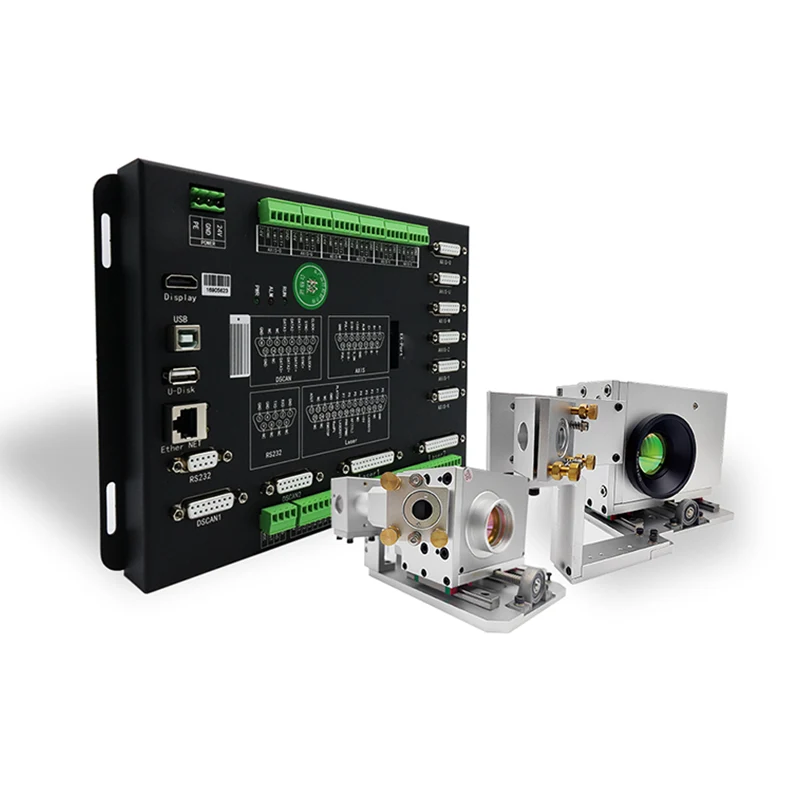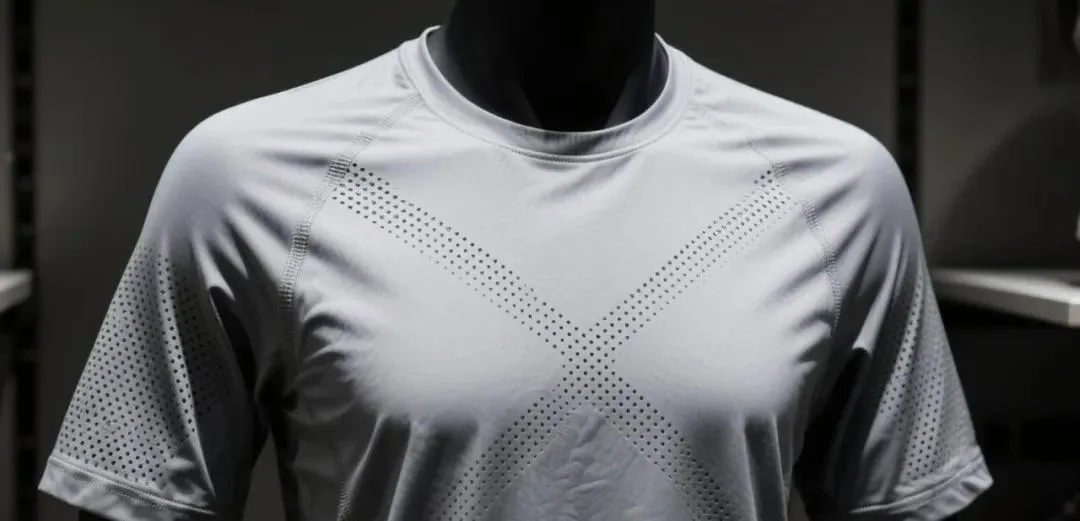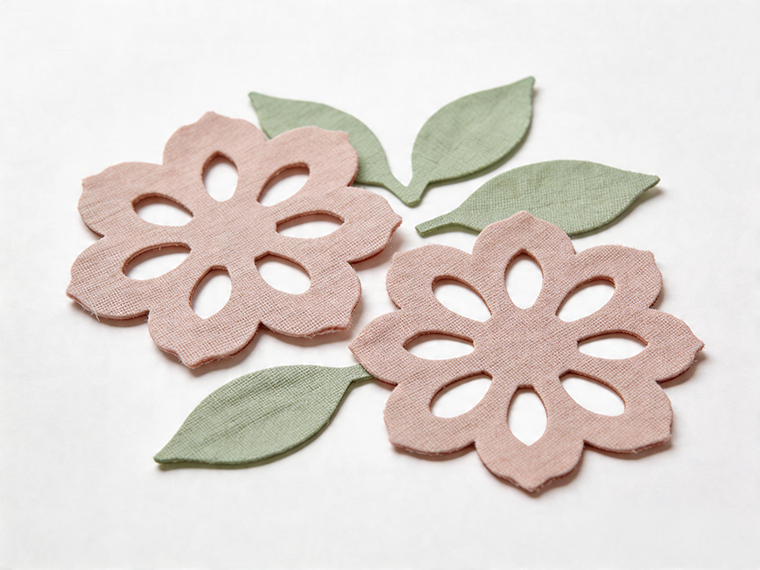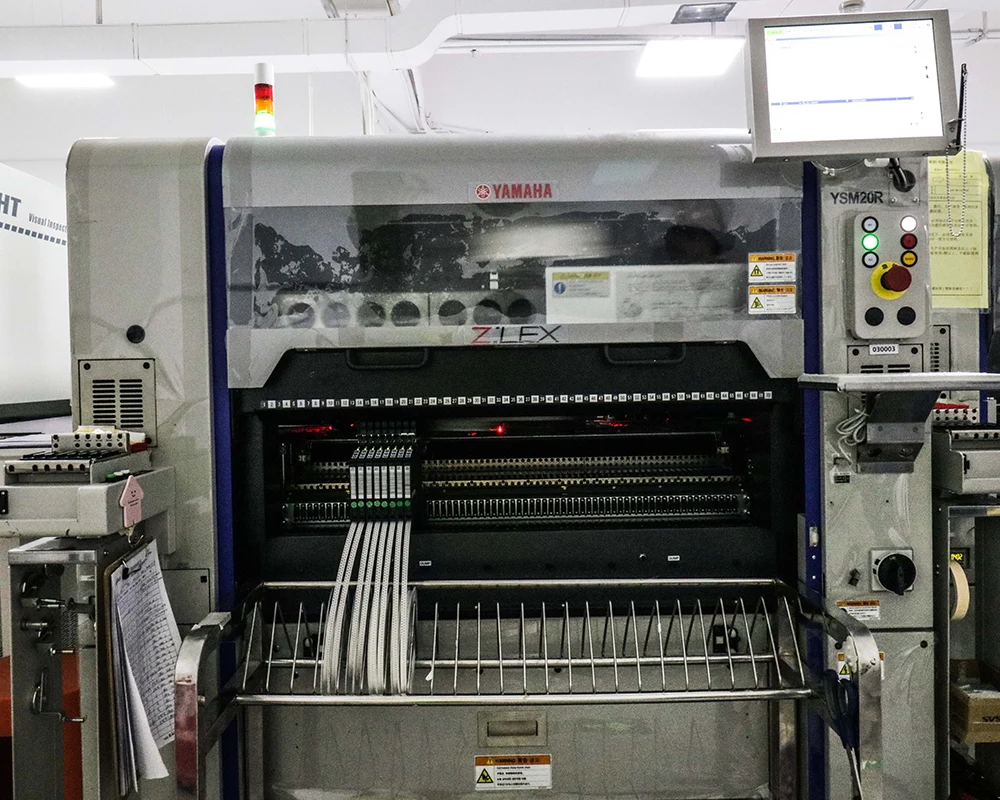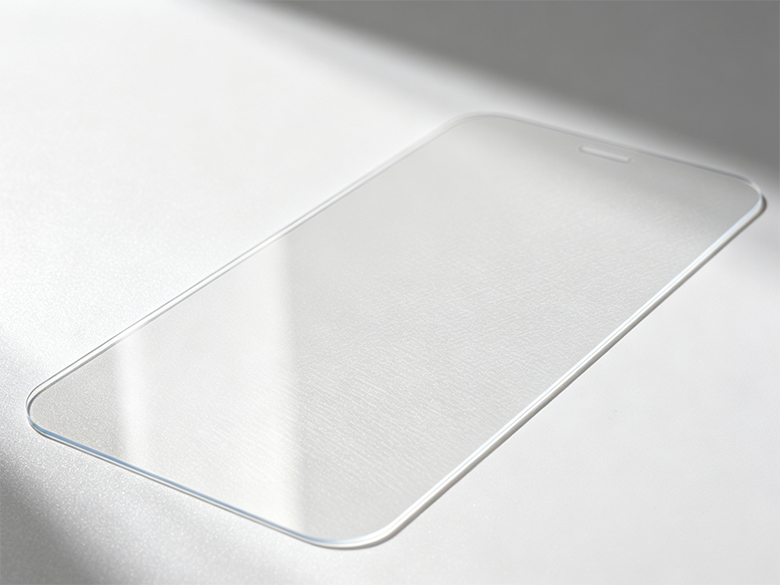
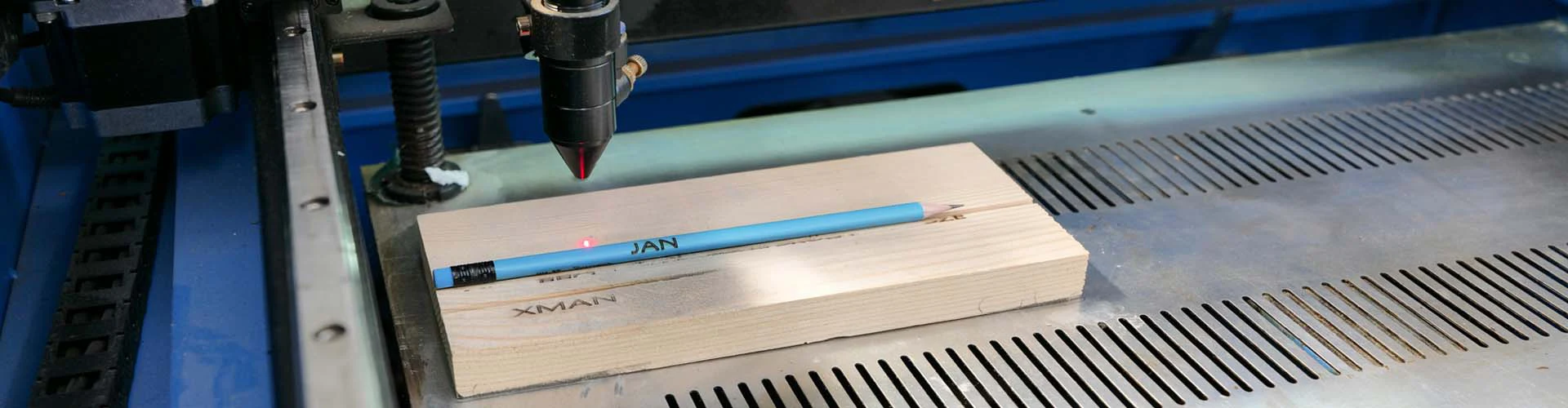
Rotary die cutting is a processing method in which a cylindrical die rotates continuously. This seemingly simple processing method is actually one of the core technologies in modern die cutting processes. The reason why rotary die cutting can become one of the core technologies of die cutting processes is inseparable from its various production advantages such as high efficiency and large-scale continuous production. These significant advantages have also made rotary die cutting favored by multiple industries such as electronics, packaging, and medical.
However, although rotary die cutting has demonstrated unique advantages in large-scale mass production, there are still many disadvantages in many processing scenarios. For example, small-batch, customized, or high-precision processing scenarios are a considerable challenge for rotary die cutting.
Die manufacturing belongs to a one-time fixed investment, and each investment cost is very high. The quantity of small-batch customized processing is small, and customized products require different dies, so the cost of making new dies increases accordingly. The manufacturing cost of dies does not change much, and because small-batch orders and customized orders have small quantities, as well as the increased cost of new dies, the cost allocated to each finished product also increases. A small processing quantity or changes in processing dies mean that machines need to be switched and adjusted at any time. Each shutdown for adjustment increases time costs and labor costs, reduces the time that equipment is put into production, and with fewer orders, this will further increase production costs. The material waste caused by trial cutting and debugging after each changeover cannot be effectively amortized by small-batch orders.
When using mechanical processing methods to process adhesive materials, it is unavoidable that adhesive residue will remain on the equipment or adhere to the surface of the product. Mechanical processing methods can also easily cause product deformation and increase the defect rate. In this regard, adopting a high-performance laser control system for non-contact auxiliary processing can effectively reduce the risk of adhesive stringing and deformation.
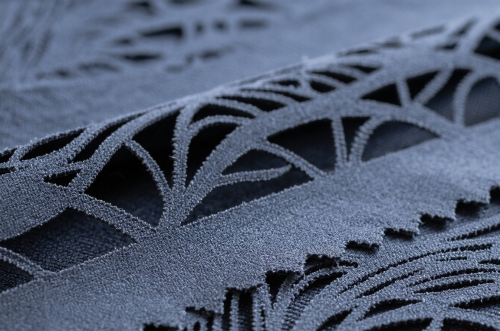
Although rotary die cutting is the preferred process for large-scale standardized production, it has obvious shortcomings in adapting to customized patterns, fine structures, and high-viscosity materials.Different from rotary die cutting, laser processing is a non-contact processing method, so it will not cause damage to products due to mechanical stress. Laser processing does not require additional die manufacturing, and product design relies entirely on computers. Design drawings can be modified flexibly. Compared with rotary die cutting, which requires remanufacturing dies, the cost is lower. This flexible processing method is very suitable for small-batch customized production. Moreover, laser processing has the characteristic of high precision and can meet the requirements of some high-precision products. Among them, the accuracy and response speed of the laser control system directly determine the final processing quality.
However, laser processing also has disadvantages. In large-scale and continuous processing, it is not as fast as rotary die cutting. Moreover, when processing large outer contours, long straight lines, or large-area repetitive patterns, the processing speed is much lower than the continuous rotary cutting of rotary die cutting. To make up for this deficiency, it is necessary to rely on a high-performance laser cutting control system to optimize scanning paths and energy modulation.
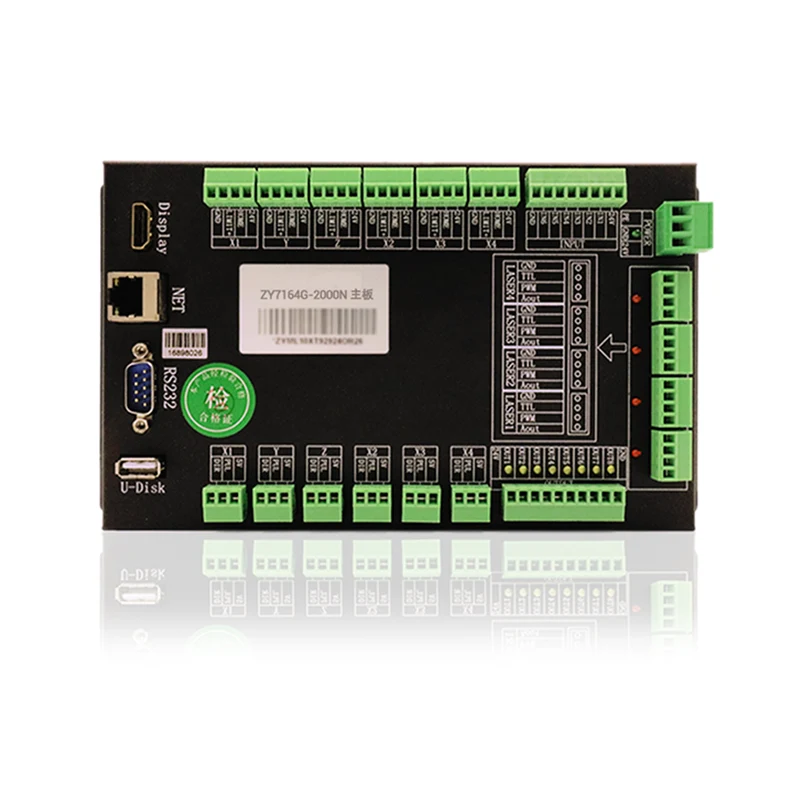
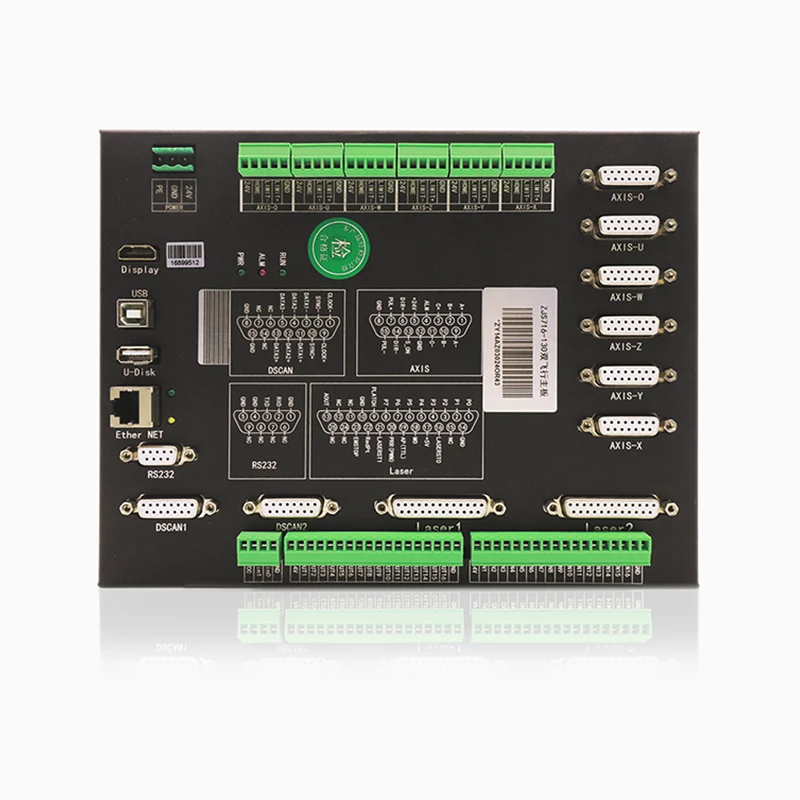
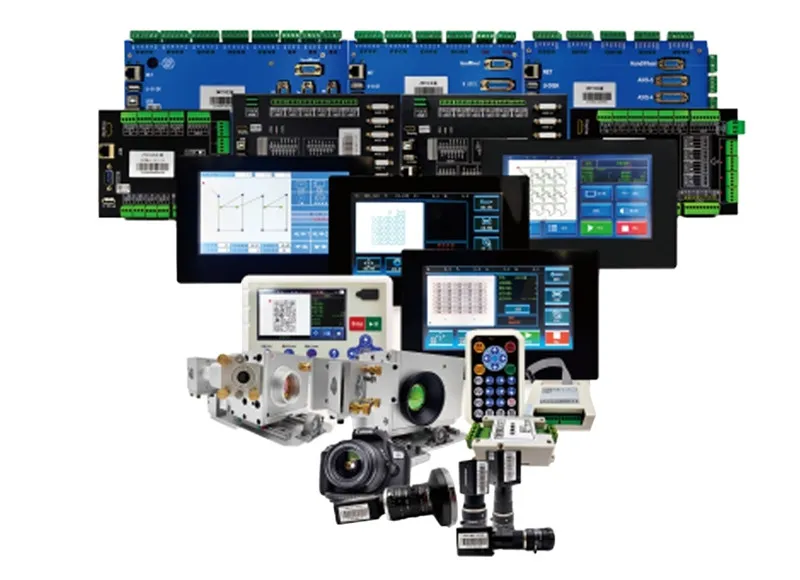
If one wants to have both the advantages of rotary die cutting and laser processing at the same time, the laser control system and rotary die cutting equipment can be combined. This is not just a simple addition. Rotary die cutting can achieve high-efficiency, large-batch, repetitive processing tasks, while laser processing can achieve customized and high-precision processing. The combination of die cutting and laser can also reduce production processes and simplify production workflows while reducing errors to a certain extent. In addition, the laser part can also process independently, which can expand the processing range and meet more diversified production needs. The core value of this integrated solution lies in achieving the unity of efficiency and flexibility through advanced laser processing control.
As the core of this integrated equipment, the laser control system affects many aspects of combined processing or independent laser processing. Specifically, the stability, scanning accuracy, and thermal impact management capability of the laser control system will directly affect product accuracy, defect rate, processing efficiency, and stability. A high-performance laser control system can enable this integrated equipment to fully realize its maximum advantages. Choosing a highly reliable laser control solution with a low defect rate is the key to improving the competitiveness of rotary die cutting + laser integrated equipment.